
US Customs Seizes 65 Pounds of Khat at Washington Dulles Airport: Risks of Smuggling Legal Foreign Plants in 2026
A New York passenger faces felony charges after US Customs and Border Protection seized 65 pounds of khat at Dulles Airport, highlighting a surge in illegal plant smuggling from East Africa and the Middle East.

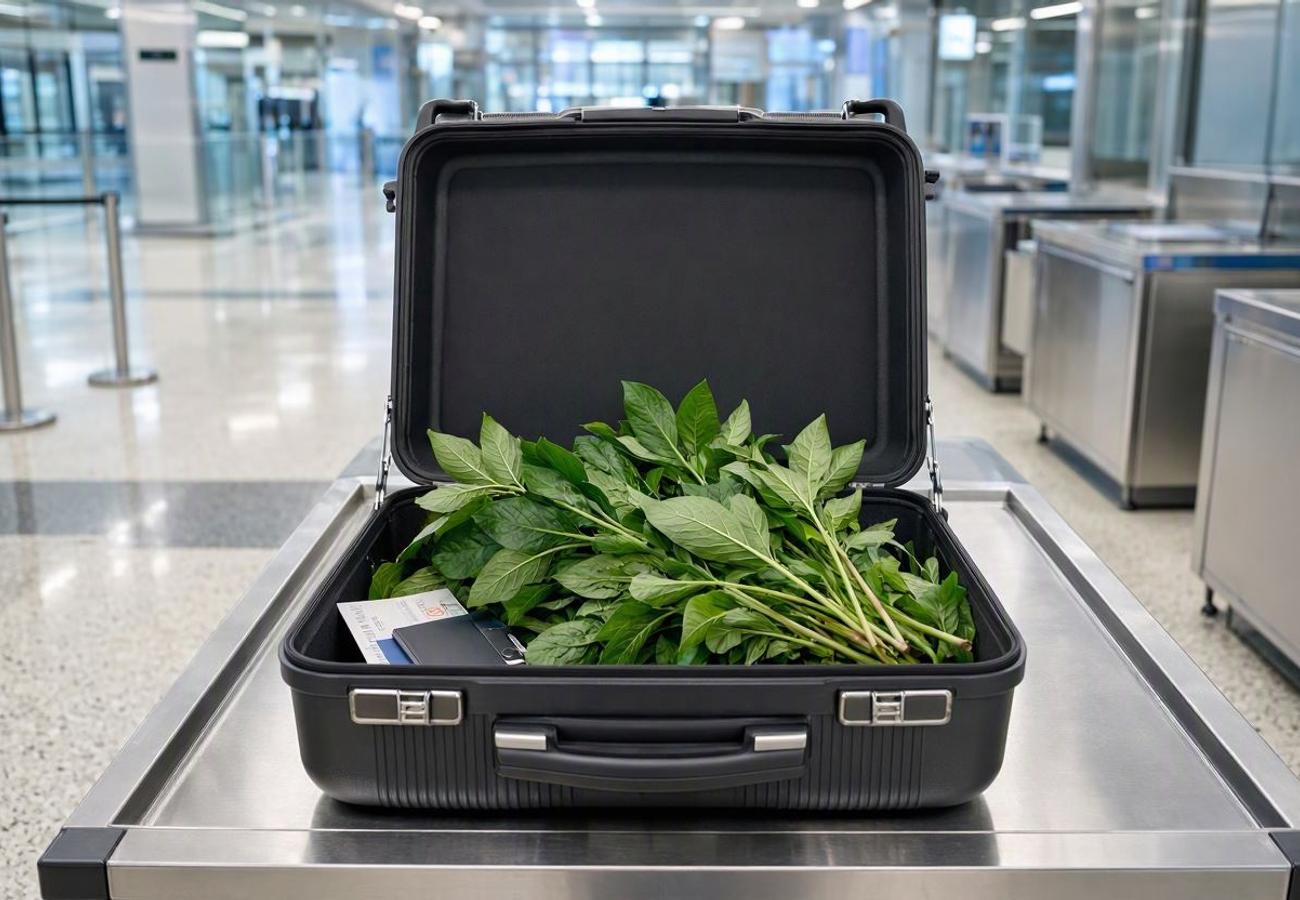
Image generated by AI
A 24-year-old traveler from the Bronx discovered that a souvenir legal in Morocco is a felony in the United States after officers seized 65 pounds of khat from his luggage. The incident at Washington Dulles International Airport (IAD) underscores a dangerous gap between regional customs and US federal law, where items viewed as traditional stimulants in one culture are classified as controlled substances in another.
The Surge of Khat Interceptions in the DC Corridor
What began as a routine inspection of checked bags for Bakari Wally, arriving from Casablanca, Morocco, on September 23, ended in criminal charges for possession with intent to distribute. The seized material, weighing 65 pounds and 4 ounces, carried an estimated street value of $8,000. While this specific haul was smaller than some recent busts, it is part of a wider pattern of interceptions at airports serving the Washington and Baltimore regions.
The U.S. Customs and Border Protection (CBP) has seen a shift in smuggling tactics. While large-scale shipments typically move through commercial freight, there is a growing trend of using passenger luggage to move high-value stimulants. This is particularly evident at Baltimore/Washington International Thurgood Marshall Airport (BWI) and Dulles, where officers have intercepted hundreds of pounds of the plant over the last few months.
What Makes Khat a Legal Minefield
Khat is derived from an evergreen shrub and is deeply embedded in the social fabric of several nations. In countries like Ethiopia, Kenya, Somalia, Yemen, and Djibouti, chewing the leaves or drinking khat tea is a common practice. However, the Drug Enforcement Administration (DEA) classifies it as a controlled substance due to two active stimulants: cathine and cathinone.
The physiological effects range from heightened alertness and increased blood pressure to more severe psychological reactions, including paranoia, hallucinations, and grandiose delusions. Because of its high potential for abuse, the US maintains a zero-tolerance policy regarding its importation, regardless of whether the traveler intends to sell it or use it personally.
Comparison of Recent Khat Seizures (2026)
The following data illustrates the scale of recent interceptions in the DC-Baltimore aviation hub, showing a transition from small personal amounts to industrial-scale passenger smuggling.
| Date | Airport | Amount Seized | Estimated Value | Outcome |
|---|---|---|---|---|
| Aug 11 | BWI | 412 lbs | Not Specified | Investigation Pending |
| Aug 13 | BWI | 847 lbs | $100,000 | Travelers Released/Pending |
| Aug 14 | IAD | 368 lbs | $44,000 | Seized |
| Aug 20 | IAD | 764 lbs | $90,000 | 2 Arrests |
| Sep 23 | IAD | 65 lbs 4 oz | $8,000 | 1 Arrest (Felony) |
Visitor Insider Tips for International Arrivals
For nomads and frequent flyers, the "it's legal where I bought it" defense does not hold up in US courts. To avoid seizure or arrest, follow these hyper-local guidelines:
- The Golden Rule of Declaration: Always declare every organic item, seed, and herbal supplement. Failure to declare can lead to the immediate revocation of Global Entry or TSA PreCheck status.
- Verify Botanical Laws: Before packing any traditional tea, dried plants, or medicinal herbs from East Africa or the Middle East, check the USDA APHIS guidelines.
- Cash Thresholds: Be aware that CBP has confiscated over $52 million in Fiscal Year 2026 from travelers who failed to declare cash amounts exceeding $10,000.
- Airport Transit: If you are transiting through IAD or BWI with items you are unsure about, it is better to discard them in the terminal before hitting the customs line than to risk a felony charge.
Cultural and Environmental Context
The tension surrounding khat seizures reflects a clash between traditional cultural practices and strict Western drug enforcement. In the Horn of Africa, khat is often a centerpiece of social interaction and community bonding. When these items are brought into the US, they are stripped of their cultural context and viewed strictly through the lens of the Controlled Substances Act.
Environmentally, the unregulated movement of plant materials poses a risk of introducing invasive species or pests into US ecosystems. This is why CBP focuses heavily on "dried plant material," as it can harbor pathogens that threaten domestic agriculture. The aggressive enforcement seen in 2026 is a response to both the public health risks of stimulants and the biosecurity risks of unverified organic imports.
Annual Khat Seizure Volume
The scale of this issue is reflected in the total weight of seizures across all US ports of entry:
- Fiscal Year 2025: 46,245 pounds
- Fiscal Year 2026 (Year to Date): 30,430 pounds
FAQ: Visiting the US in 2026
Can I bring herbal tea from abroad into the US? Most commercially packaged teas are allowed, but raw plant materials, seeds, or traditional stimulants like khat are strictly prohibited. Always declare organic products to avoid fines.
What happens if I forget to declare an item? You may face monetary fines, the seizure of the item, and the permanent loss of trusted traveler programs like Global Entry. If the item is a controlled substance, you face criminal prosecution.
Is it safe for solo travelers to carry large sums of cash? While legal, carrying over $10,000 in currency must be declared using FinCEN Form 105. Failure to do so can result in the total confiscation of the funds.
How do I check if a specific plant is legal to import? Consult the official USDA Animal and Plant Health Inspection Service (APHIS) website or the embassy of the US in the country you are departing from.
Ignorance of the law is not a defense when facing a federal customs agent.
Related Travel Guides
Disclaimer
This article is for informational and educational purposes only. It does not constitute legal, financial, or professional advice. While we strive to provide accurate and up-to-date information, travel policies, regulations, and conditions change rapidly. Always verify information with official sources before making travel decisions. Nomad Lawyer makes no representations about the accuracy, reliability, completeness, or suitability of the information provided. Readers should consult qualified professionals for advice specific to their circumstances. The views expressed in this article are those of the author and do not necessarily reflect the views of Nomad Lawyer.
Kunal K Choudhary
Co-Founder & Contributor
A passionate traveller and tech enthusiast. Kunal contributes to the vision and growth of Nomad Lawyer, bringing fresh perspectives and driving the community forward.
Learn more about our team →