
Canada, France, UK Condemn Iran Actions: Impact on Gulf Tourism & Aviation
Canada joins France and G7 allies in condemning Iranian actions in the Middle East, raising critical security concerns for Gulf aviation and maritime tourism.

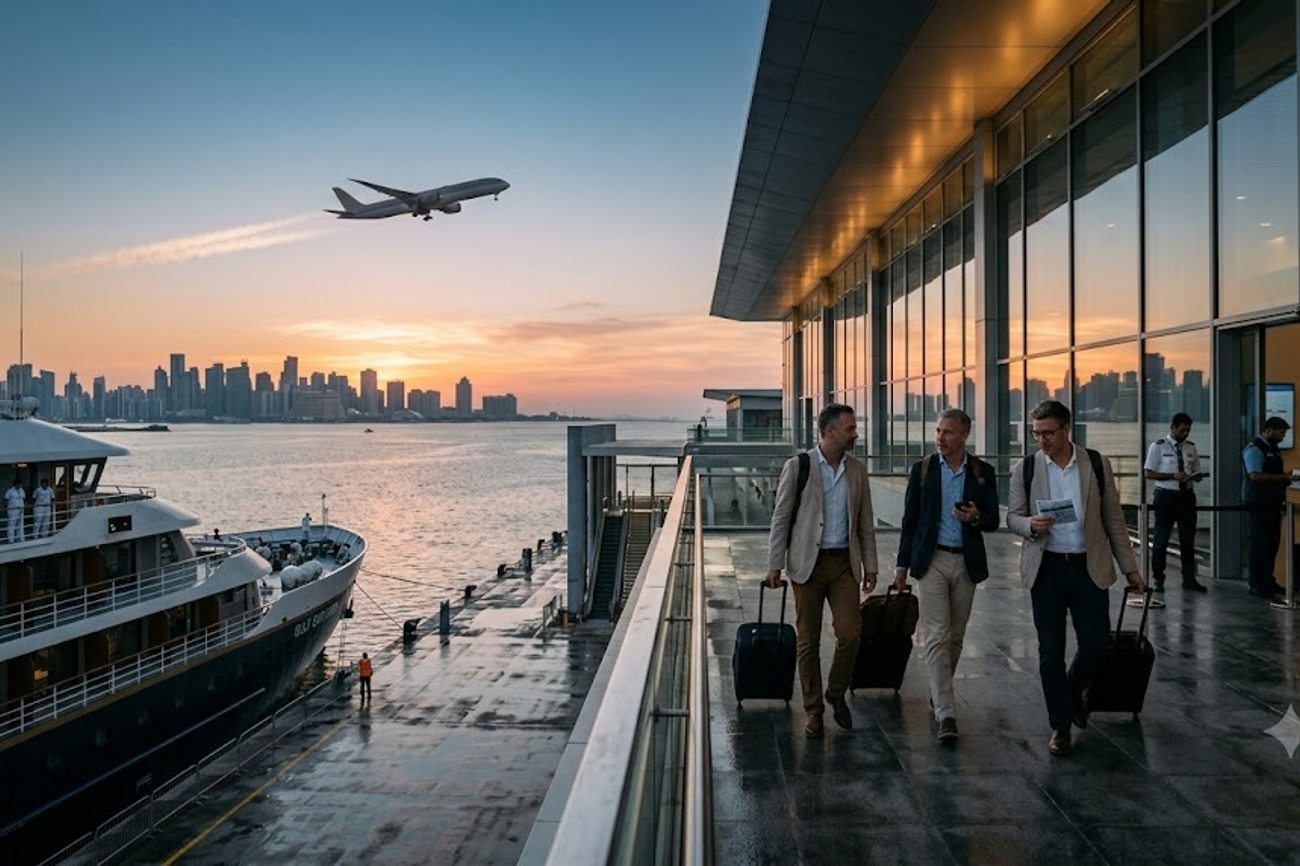
Image generated by AI
Canada has aligned itself with France, the United Kingdom, and other international partners to condemn Iranian actions in the Middle East. The move comes amid heightened security fears regarding the stability of the Gulf tourism industry and critical transport corridors.
The Canadian government specifically cited threats to vessels in the Strait of Hormuz, Iran's nuclear activities, and the support of regional proxy forces as primary drivers for this stance. Ottawa is currently coordinating with G7 members to maintain pressure on Tehran through sanctions and measures designed to limit the financing of terrorist activities.
The Gulf region serves as a global nexus for aviation and travel. Destinations including the UAE, Qatar, Oman, Bahrain, and Saudi Arabia are currently executing aggressive tourism expansion strategies. However, these ambitions face headwinds as the Strait of Hormuz—a vital maritime artery for global energy and shipping—remains a flashpoint for conflict.
Strategic Alliances and Regional Roles
France has emerged as a primary partner for Canada in this effort. Given France's deep economic and security ties in the Gulf, Paris is focused on protecting maritime routes to ensure the continued flow of European travelers and the stability of luxury tourism and cruise operations.
The United Kingdom is similarly focused on the freedom of navigation. As one of the largest long-haul source markets for Dubai, Abu Dhabi, Qatar, Oman, and Saudi Arabia, the UK views regional stability as essential for maintaining direct flight connectivity and visitor confidence.
The United States continues to lead the operational security efforts in the Strait of Hormuz. This involvement is critical for North American airlines monitoring airspace security, fuel price volatility, and operational risks on routes connecting North America to Gulf hubs.
Germany, Italy, and Japan have rounded out the G7 response. Germany and Italy, key drivers of luxury and business travel to the Gulf, emphasize the protection of trade networks, while Japan highlights the risk to global energy supplies.
Key Facts Breakdown
- Primary Concerns: Threats to the Strait of Hormuz, nuclear proliferation, and regional proxy support.
- Core Allies: Canada, France, UK, USA, Germany, Italy, and Japan (G7).
- Critical Infrastructure: The Strait of Hormuz (Maritime/Energy).
- Impacted Markets: UAE, Qatar, Oman, Bahrain, and Saudi Arabia.
- Sector Risks: Aviation fuel prices, cruise operations, airspace security, and long-haul passenger demand.
Why This Matters
From a logistical perspective, this diplomatic escalation is not merely political; it is a risk-management signal for the travel industry. For travelers and operators on these routes, the real impact manifests in three areas:
- Operational Costs: Any disruption in the Strait of Hormuz immediately spikes global energy prices. For aviation, this translates to higher fuel surcharges and increased ticket prices for long-haul flights.
- Insurance and Risk: Increased geopolitical tension typically leads to higher insurance premiums for cruise lines and maritime operators, potentially reducing the frequency of luxury cruises in the region.
- Passenger Psychology: The Gulf's "Vision" projects (such as Saudi Arabia's tourism expansion) rely entirely on perceived safety. When G7 nations formally denounce regional security threats, it can trigger a cooling effect on high-net-worth leisure travel and foreign direct investment in tourism infrastructure.
Industry Outlook
Market trends suggest that Gulf aviation hubs will enter a period of heightened surveillance. Airlines will likely prioritize flexible route planning to bypass potential conflict zones. We expect to see a tighter coordination between G7 security apparatuses and Gulf tourism authorities to maintain "traveler confidence" benchmarks. The stability of the North American-Gulf corridor now depends heavily on the success of these diplomatic pressures to secure the Strait of Hormuz.
Internal Link Suggestions:
- Analysis of Gulf Aviation Hub Expansion 2026
- Impact of Geopolitical Volatility on Long-Haul Flight Pricing
- Maritime Security Trends in the Middle East Tourism Sector
Related Travel Guides
Disclaimer
This article is for informational and educational purposes only. It does not constitute legal, financial, or professional advice. While we strive to provide accurate and up-to-date information, travel policies, regulations, and conditions change rapidly. Always verify information with official sources before making travel decisions. Nomad Lawyer makes no representations about the accuracy, reliability, completeness, or suitability of the information provided. Readers should consult qualified professionals for advice specific to their circumstances. The views expressed in this article are those of the author and do not necessarily reflect the views of Nomad Lawyer.
Raushan Kumar
Founder & Lead Developer
Full-stack developer with 11+ years of experience and a passionate traveller. Raushan built Nomad Lawyer from the ground up with a vision to create the best travel and law experience on the web.
Learn more about our team →