
Global Powers Maintain Strict Travel Warnings for Mexico Amid Rising Security Risks
The US, Canada, and several European nations maintain strict travel warnings for specific Mexican states due to crime and organized violence. See the risk zones

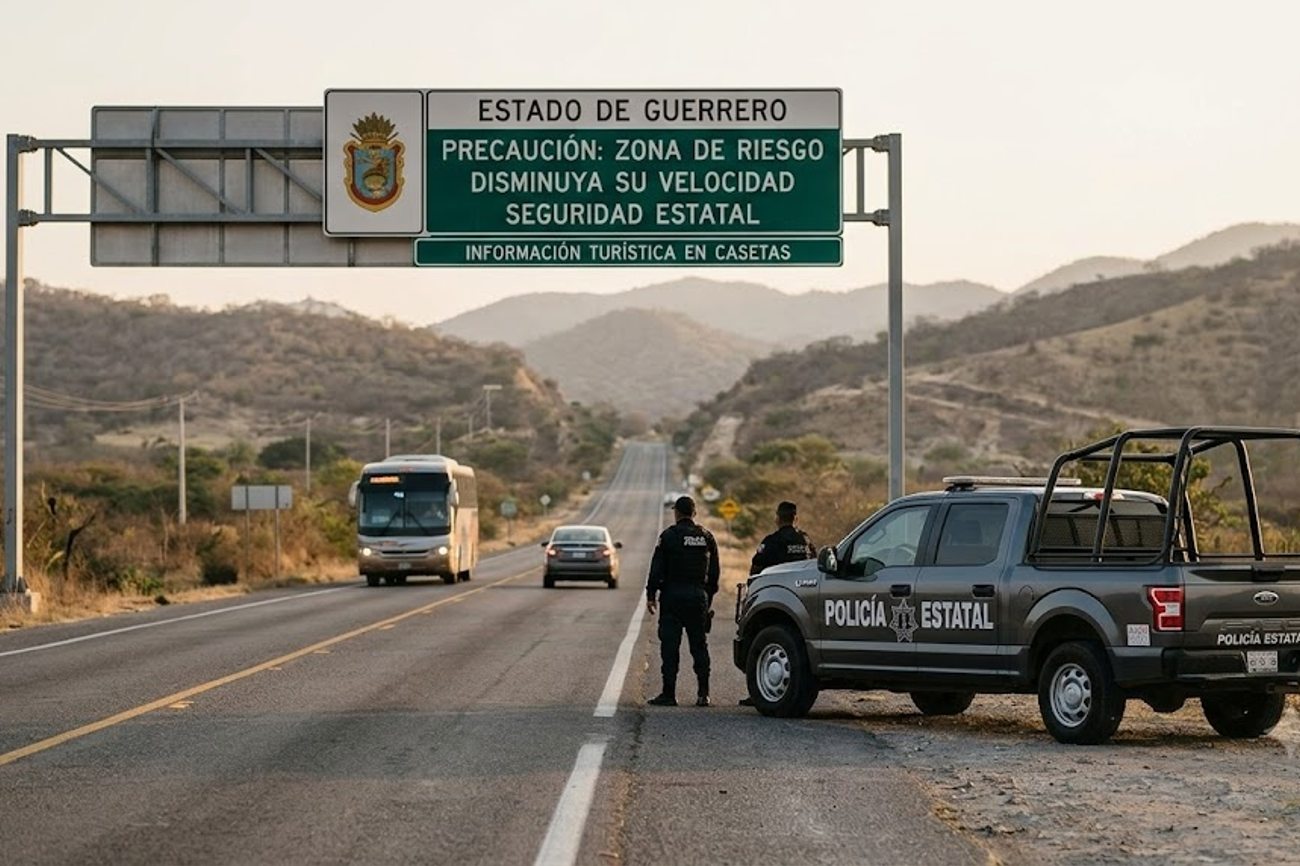
Image generated by AI
Global Security Alerts Target Specific Mexican Regions
[Mexico City, September 8, 2026] — International governments are reinforcing travel warnings for Mexico, citing persistent threats from organized crime, kidnapping, and systemic violence. Rather than implementing blanket bans on tourism, nations including the United States, Canada, and members of the European Union are utilizing a tiered risk system to isolate dangerous zones from established vacation destinations.
The current security climate is characterized by extreme volatility, where safety levels can shift drastically between neighboring states or even along specific transit corridors. While the tourism industry continues to operate in primary hubs, officials are urging citizens to verify the exact status of their destination, including the specific roads and airports they intend to use, before crossing the border.
United States Maintains Level 4 "Do Not Travel" Status for Six States
The U.S. Department of State currently classifies Mexico under a general Level 2 advisory, which mandates that travelers exercise increased caution due to the prevalence of kidnapping, crime, and terrorism. However, the department has escalated the risk level for six specific states to Level 4: "Do Not Travel."
These high-risk zones include Colima, Guerrero, Michoacán, Sinaloa, Tamaulipas, and Zacatecas. Only limited exceptions are granted for specific locations within these states. Meanwhile, Sonora is held at Level 3, "Reconsider Travel." This heightened alert includes strict operational constraints for U.S. government employees in Nogales and other parts of Sonora, specifically limiting the use of certain transport routes and road travel.
Canada and the UK Issue Warnings Against Non-Essential Trips
Canadian authorities have categorized Mexico as a region where citizens should "exercise a high degree of caution" due to the risk of kidnapping and criminal activity. The Canadian government specifically advises against non-essential travel to a broad list of regions, including:
- Chiapas
- Chihuahua
- Colima
- Guanajuato
- Guerrero
- Jalisco
- Michoacán
- Nayarit
- Nuevo León
- Sinaloa
Canada emphasizes that these warnings exclude certain approved travel corridors and specific tourist cities, requiring travelers to analyze their itinerary on a city-by-city basis.
Similarly, the UK Foreign, Commonwealth and Development Office has issued warnings against all but essential travel to several areas. These include Tijuana and Tecate, as well as vast portions of Tamaulipas, Zacatecas, and Sinaloa. The UK also flags specific zones within Jalisco, Colima, and Guanajuato. A critical warning for British citizens is that ignoring these official advisories may void travel insurance policies, leaving holidaymakers financially exposed in the event of an emergency.
European and Asia-Pacific Nations Tighten Border and Regional Alerts
Australia’s Smartraveller service maintains a general "high degree of caution" for the entire country. However, it urges citizens to "reconsider your need to travel" to Chiapas, Chihuahua, Colima, Guanajuato, Guerrero, Michoacán, parts of Durango, Sinaloa, Sonora, Tamaulipas, and Zacatecas.
In Europe, Germany’s Foreign Office strongly discourages visits to Colima, Sinaloa, northern Tamaulipas, and large sections of Guerrero and Michoacán. German officials also warn against extended stays in the U.S.–Mexico border region and specific areas in Jalisco, Guanajuato, and the border zone between Chiapas and Guatemala.
France has adopted a similarly strict stance, advising against travel to Tamaulipas, Colima, most of Guerrero, and parts of Michoacán. French authorities specifically highlight Tijuana, Tecate, and Culiacán as high-risk. Interestingly, France notes that destinations like Acapulco and Ixtapa-Zihuatanejo are viewed differently if accessed via direct flights rather than ground transport.
The Netherlands utilizes a color-coded system. "Red" zones (do not travel) are currently centered around the Colima and Popocatépetl volcanoes. "Orange" zones (travel only when necessary) cover the U.S. border and parts of central and southern Mexico, while "Yellow" zones remain open for alert travelers.
Poland Expands High-Risk Zones to Major Tourist Hubs
In a significant departure from other nations, Poland expanded its Level 3 warnings in February 2026. While many countries exempt major resorts, Poland now advises against non-essential travel to several primary tourism centers.
| Country | Warning Level/Status | Key High-Risk Areas/States |
|---|---|---|
| USA | Level 4 (Do Not Travel) | Colima, Guerrero, Michoacán, Sinaloa, Tamaulipas, Zacatecas |
| Canada | Non-Essential Travel | Chiapas, Chihuahua, Colima, Guanajuato, Guerrero, Jalisco, Michoacán, Nayarit, Nuevo León, Sinaloa |
| UK | All but Essential | Tijuana, Tecate, Sinaloa, Tamaulipas, Zacatecas, parts of Jalisco |
| Australia | Reconsider Travel | Chiapas, Chihuahua, Colima, Guanajuato, Guerrero, Michoacán, Durango, Sinaloa, Sonora, Tamaulipas, Zacatecas |
| Germany | Strongly Discourages | Colima, Guerrero, Michoacán, Sinaloa, Northern Tamaulipas, Zacatecas |
| France | Advises Against | Tamaulipas, Guerrero, Colima, Michoacán, Tijuana, Tecate, Culiacán |
| Poland | Level 3 (Non-Essential) | Cancún, Cozumel, Playa del Carmen, Tulum, Oaxaca, Nuevo León, Guadalajara, Puerto Vallarta, Tijuana |
Poland's expanded list now includes the Quintana Roo corridor (Cancún, Tulum, Playa del Carmen, and Cozumel), as well as Guadalajara, Chapala, Puerto Vallarta, and Ensenada.
Regional Stability and Tourist Impact
Ireland and Belgium continue to urge high caution. Irish authorities note that while tourists are rarely the primary targets of organized crime, they are frequently caught in the crossfire of regional violence. Belgian guidance suggests that Mexico City, Yucatán, and Quintana Roo generally remain stable, though vigilance is required nationwide.
The overarching trend across these international warnings is the distinction between "tourism bubbles"—areas heavily guarded and managed for international visitors—and the surrounding states where governance is contested by criminal organizations.
Why This Matters: The Impact on the Modern Traveler
For the average traveler, these warnings mean that a "safe" destination can become a "high-risk" zone simply by changing the mode of transport. For instance, flying directly into a resort in Guerrero may be permitted by some governments, while driving to that same resort through the state's interior is strictly forbidden.
From a logistical and legal standpoint, the most critical risk is insurance. Many comprehensive travel insurance policies contain "government advice" clauses. If a traveler visits a Level 4 zone or a region flagged as "do not travel" by their home government, any claim for medical evacuation, theft, or kidnapping may be summarily denied.
Furthermore, the expansion of warnings to include previously "safe" hubs—as seen in Poland's 2026 updates—suggests that security boundaries are becoming more fluid. Travelers can no longer rely on outdated brochures; they must treat government travel portals as live documents that require checking immediately before and during their trip.
Related Travel Guides
- Russia Airport Closures Reach Nearly 1,000 in August as Drone Disruptions Strain Civil Aviation
- US Tourism Leaders Sound Alarm Over Looming September 30 Government Shutdown: Risks to TSA, Flights, and National Parks
- US Issues Security Alert for Nogales, Mexico: Official Travel Restricted Amid Sonora Safety Risks
Disclaimer
This article is for informational and educational purposes only. It does not constitute legal, financial, or professional advice. While we strive to provide accurate and up-to-date information, travel policies, regulations, and conditions change rapidly. Always verify information with official sources before making travel decisions. Nomad Lawyer makes no representations about the accuracy, reliability, completeness, or suitability of the information provided. Readers should consult qualified professionals for advice specific to their circumstances. The views expressed in this article are those of the author and do not necessarily reflect the views of Nomad Lawyer.
Preeti Gunjan
Contributor & Community Manager
A passionate traveller and community builder. Preeti helps grow the Nomad Lawyer community, fostering engagement and bringing the reader experience to life.
Learn more about our team →