
Russia Airport Closures Reach Nearly 1,000 in August as Drone Disruptions Strain Civil Aviation

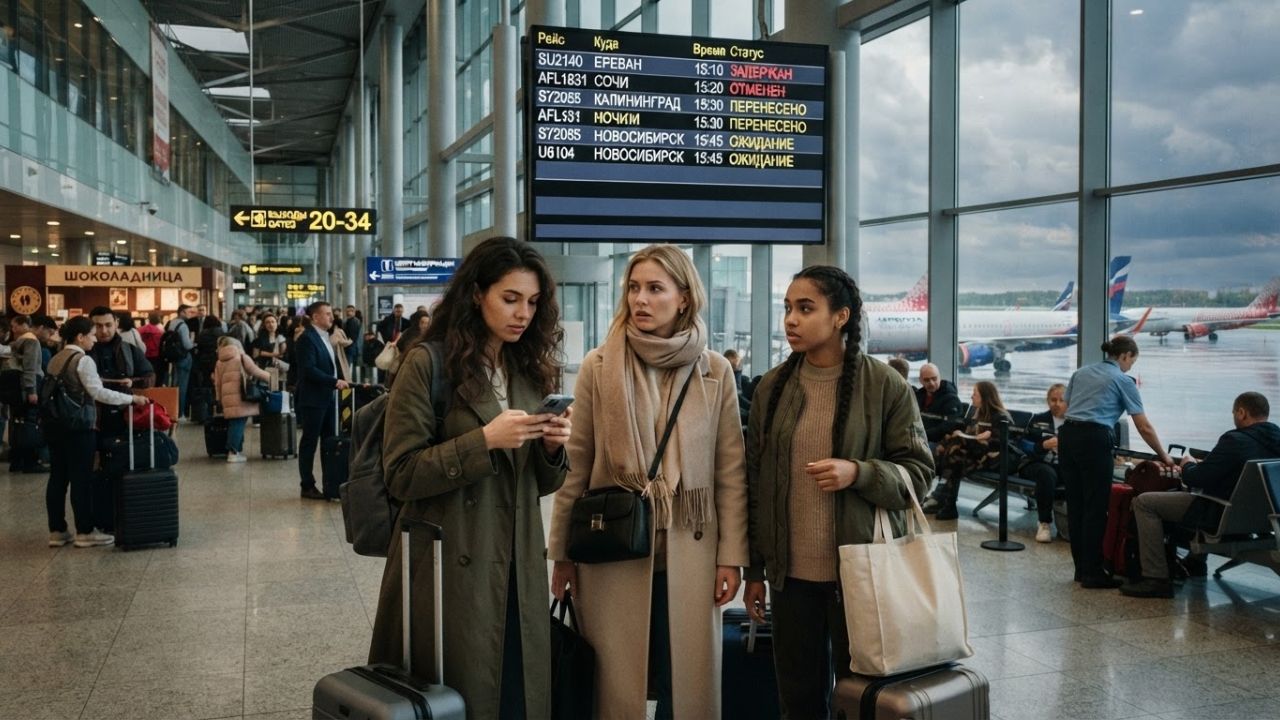
Russian airports recorded 993 temporary operational closures in August 2026—a 30% surge over July—pushing total summer disruptions to an unprecedented 2,182 shutdowns and surpassing full-year 2025 totals. Driven by approximately 16,000 estimated drone incursions into Russian airspace and localized fuel infrastructure hits in Sochi, international transit passengers face rolling ground stops and flight holding patterns.
Commercial aviation across the Russian Federation faced acute operational strains during the summer of 2026 as regional security alerts repeatedly forced civilian air traffic control to suspend runway operations. Data from aviation intelligence firm Osprey Flight Solutions highlights a steep escalation in airspace restrictions, creating widespread scheduling volatility across domestic trunk routes and long-haul international corridors connecting Asia and the Middle East.
Escalating Airport Shutdown Metrics: Summer 2026 vs. Full-Year 2025
The frequency of temporary flight restrictions has accelerated sharply across Russian transport terminals:
- August 2026 Spike: Russian airports documented 993 temporary operational interruptions in August alone—an increase of more than 30% compared with July 2026.
- Summer Total Surpasses 2025: Between June and August 2026, airports recorded 2,182 temporary closures. This three-month figure eclipsed the 1,923 closures registered across the entirety of 2025.
- Drone Activity Surge: Osprey Flight Solutions estimated that approximately 16,000 Ukrainian drones penetrated Russian airspace in August 2026, marking a continuous rise from roughly 11,000 in June and 13,000 in July.
Federal aviation agency Rosaviatsiya maintains that these rapid "Kovyor" (Carpet) emergency ground stops are safety measures enacted to prevent mid-air collisions and safeguard civilian flights. However, their compounding frequency creates severe knock-on effects for aircraft positioning, crew duty rotations, and passenger connections.
Hub Vulnerabilities: Moscow Delays and Sochi Fuel Disruptions
The operational disruptions have impacted both primary federal hubs and strategic resort gateways:
- Moscow Air Corridor: The capital’s international airports—Sheremetyevo (SVO), Domodedovo (DME), Vnukovo (VKO), and Zhukovsky (ZIA)—frequently implement rolling ground stops, sending inbound airliners into holding stacks or diverting flights to alternate strips in Nizhny Novgorod, Kazan, or Saint Petersburg.
- Sochi Airport Fuel Strains: At Sochi International Airport (AER) in Adler, ground support resilience encountered direct disruption. One of the airport’s two commercial aircraft-fuelling operators reportedly suspended operations following a September 4 drone strike on the Rosneft-Kubannefteprodukt fuel storage depot in Adler, reducing turnaround capacity and requiring airlines to carry return-trip reserve fuel.
- Regional Suspensions: Secondary airfields across western and central Russia experience sudden departure holds and arrival diversions whenever unidentified aerial objects are tracked within civilian flight lanes.
International Aviation Repercussions and the ICAO Debate
While Western carriers have avoided Russian airspace since 2022 due to reciprocal sanctions, Russia remains an active overflight and transit corridor for major airlines based in China, India, the Gulf States, and Central Asia.
The sharp uptick in airspace closures has triggered international diplomatic debate:
- Ukrainian Petitions: Officials in Kyiv have formally petitioned the International Civil Aviation Organization (ICAO) to evaluate civilian flight restrictions over Russian airspace, warning foreign air carriers of heightened risks.
- Rosaviatsiya's Stance: Russian aviation authorities maintain that primary airport infrastructure remains operational and safe, noting that foreign carriers continue scheduled operations without issuing widespread cancellation notices.
- Operational Friction for Foreign Airlines: International carriers still operating routes through Moscow or Russian airspace face rising war-risk insurance premiums, complex contingency diversions, and extended tarmac delays during unexpected holding actions.
Local Visitor Insider Tips: Navigating Travel Uncertainty
For travelers, diplomats, and international personnel navigating Russian transport hubs, strategic planning is essential:
- Build 6-to-8 Hour Transit Buffers: Never schedule tight international connections through Moscow airports. A 90-minute holding pattern or temporary diversion to an alternate city can easily result in missed long-haul outbound flights.
- Leverage High-Speed Rail Corridors: If traveling between Moscow and Saint Petersburg, bypass volatile regional flights by booking the Sapsan high-speed train, which delivers a reliable 3-hour-and-45-minute city-center-to-city-center journey. For southern routes toward Sochi, modern Grand Service Express sleeper trains offer predictable ground transport.
- Utilize Downtown Rail Links: Take the dedicated Aeroexpress rail links from Moscow terminals (Belorussky, Paveletsky, or Kievsky stations) directly to Sheremetyevo, Domodedovo, and Vnukovo rather than road taxis, which face severe perimeter security checkpoints during heightened alert phases.
- Regional Gastronomic Comforts: If stranded during airport ground holds, seek out airport dining spots serving classic Russian staples. A hot bowl of beetroot borscht with sour cream, handmade meat pelmeni, or sweet berry blini provide hearty comfort during unexpected gate delays.
Tourism Outlook: Airspace Resilience Under Scrutiny
The surge to nearly 1,000 monthly airport closures in August 2026 confirms that modern civil aviation cannot remain insulated from surrounding security conflicts. As long-distance drone incursions become frequent occurrences, air travel across Russia requires unprecedented agility from flight dispatchers, airport ground handlers, and passengers alike.
Related Travel Guides
Disclaimer
This article is for informational and educational purposes only. It does not constitute legal, financial, or professional advice. While we strive to provide accurate and up-to-date information, travel policies, regulations, and conditions change rapidly. Always verify information with official sources before making travel decisions. Nomad Lawyer makes no representations about the accuracy, reliability, completeness, or suitability of the information provided. Readers should consult qualified professionals for advice specific to their circumstances. The views expressed in this article are those of the author and do not necessarily reflect the views of Nomad Lawyer.
Raushan Kumar
Founder & Lead Developer
Full-stack developer with 11+ years of experience and a passionate traveller. Raushan built Nomad Lawyer from the ground up with a vision to create the best travel and law experience on the web.
Learn more about our team →