
Cambodia Culinary Tourism Growth: 5.5 Million Visitors and New Gastronomy Hubs in 2025-2026
Cambodia is pivoting its national tourism model toward culinary heritage, leveraging UNESCO designations and new airport infrastructure to drive high-yield travel beyond Siem Reap.
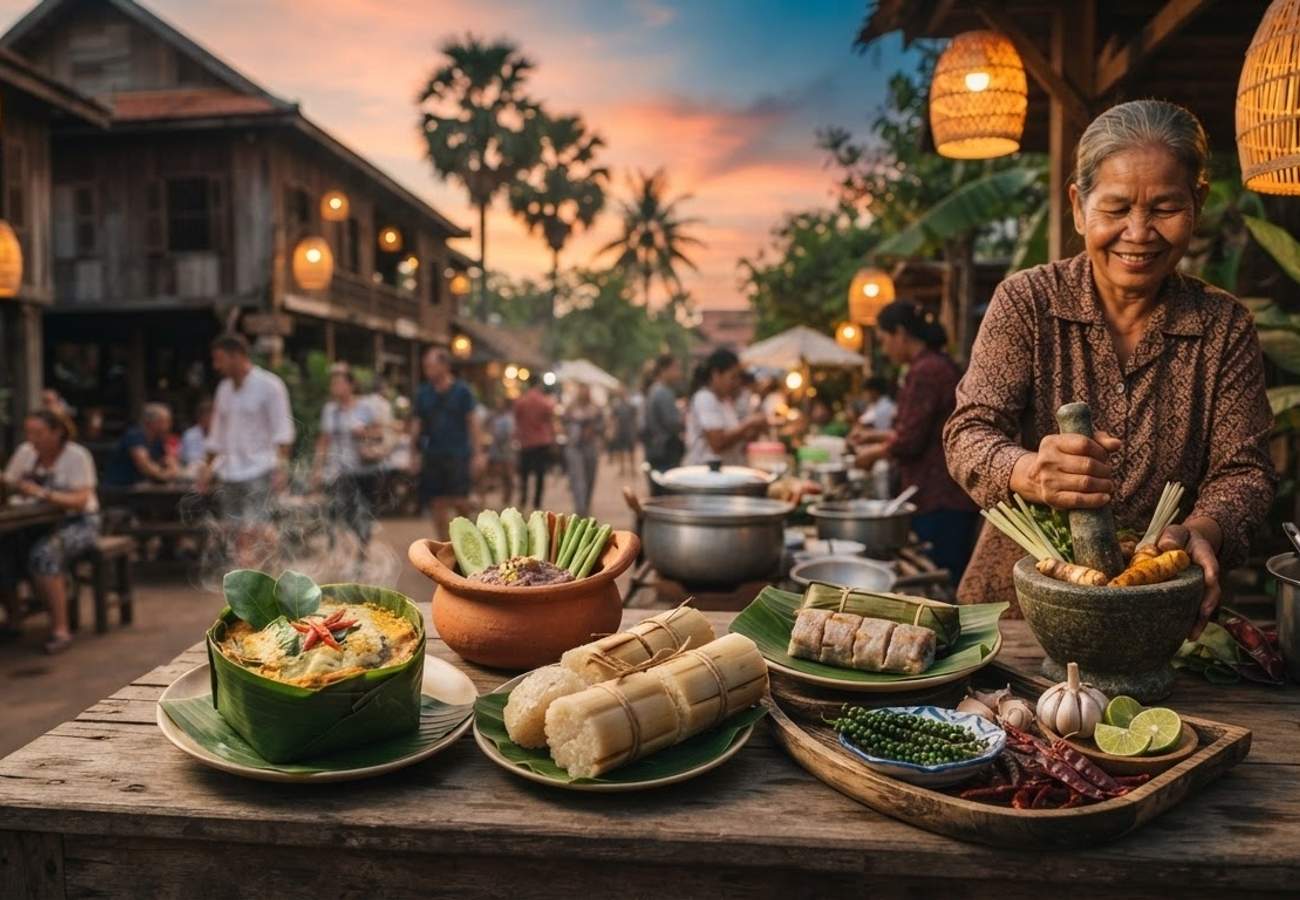
Image generated by AI
Cambodia has fundamentally re-engineered its national tourism model, shifting from a transit stop for temple tours into a primary sensory destination. With 5,569,752 international visitors recorded in 2025, the Kingdom is now leveraging culinary heritage as a core economic engine to increase visitor stay duration and regional spending.
The Shift to Gastronomy-Driven Tourism
Historically, Cambodia was viewed as a single-stop destination centered on the Angkor Archaeological Park in Siem Reap. However, official government records now indicate a strategic pivot toward "culinary travel." By integrating sustainable agricultural practices with tourism policy, the Royal Government of Cambodia is attracting higher-yielding travelers who engage more deeply with local communities.
This transition is supported by the Council for the Development of Cambodia and the Ministry of Tourism, which have deployed the "Green Season" initiative. This policy aims to decentralize tourism, moving traffic away from overcrowded monuments and toward secondary cities and rural agrarian hubs.
Macroeconomic Indicators and Transit Volume
Despite a 16.9% year-on-year drop in overall visitor volume due to geopolitical tensions along the northwestern border, the structural resilience of the sector is evident in the increased yield per visitor.
Air arrivals grew by 19.2%, totaling 2,857,716 visitors. This growth is attributed largely to the expanded international operations at the Techo International Airport serving Phnom Penh. Internal mobility has also surged, with 23.7 million domestic trips and 3.4 million foreign intra-provincial journeys, signaling a move toward multi-province itineraries.
International Visitor Demographics (2025 Data)
| Origin Market | Visitor Count | Market Dynamic |
|---|---|---|
| Vietnam | 1,220,000 | High demand for street food & short-haul trips |
| China | 1,201,681 | 41.5% year-on-year rebound |
| Thailand | 1,020,000 | Regional weekend food getaways |
| United States | 185,688 | High-spend, culture-focused long-haul |
| South Korea | 145,497 | Focus on guided masterclasses & farm visits |
| France | 123,035 | Heritage-driven luxury travel |
| United Kingdom | 116,660 | Specialized farm-to-table itineraries |
Regional Gastronomy Hubs and Specializations
The government has designated specific provinces as culinary anchors to ensure an even distribution of tourism revenue.
Battambang: The Rice Bowl As Cambodia's first UNESCO Creative City of Gastronomy, Battambang focuses on agro-tourism. Key attractions include the Phka Rumduol Jasmine Rice fields and regional specialties like Prahok (fermented fish paste), Nem sour (fish cakes), and Kralan (bamboo-roasted sticky rice).
Siem Reap: Royal Heritage Efforts by the Ministry of Culture and Fine Arts have revived royal court recipes. Travelers are increasingly bypassing standard monument routes for organic farm-to-table experiences in Phnom Kulen, focusing on Fish Amok and Samlor Korko.
Kampot and Kep: Coastal GI Products The coastal regions leverage Geographical Indication (GI) status, specifically for Kampot Pepper. This has created a direct pipeline from pepper plantations to the seafood markets of Kep along the Gulf of Thailand.
Traveler Logistics Guide
From a ground-level perspective, navigating Cambodia's new culinary landscape requires a shift in how you plan your transit and timing.
Optimal Connection Strategies With the opening of Techo International Airport, the most efficient entry point for food-focused itineraries is now Phnom Penh rather than Siem Reap. From the capital, use private transfers or regional buses to reach Battambang and Kampot. Allow at least 3-4 days per province to avoid "transit fatigue" and properly engage with rural cooking circuits.
Navigating Local Markets When visiting night markets in Phnom Penh or street food stalls in Battambang, prioritize vendors with high local turnover to ensure freshness. For those visiting pepper farms in Kampot, booking through certified agro-tourism cooperatives ensures that payments go directly to the farmers.
Digital and Entry Policies Ensure your e-visa is processed at least one week prior to arrival. While digital payments are expanding in Phnom Penh and Siem Reap, rural areas in Battambang and Kep remain heavily cash-reliant. Carry small denominations of Cambodian Riel for street food interactions.
Infrastructure and Economic Impact
The integration of the agricultural supply chain with the hospitality sector is now a matter of state policy. A formal Memorandum of Understanding between Minister of Tourism H.E. Huot Hak and Minister of Agriculture H.E. Dith Tina has established "Green Belts" around urban centers.
This framework prevents financial leakage to foreign suppliers by mandating that upscale hotels in Phnom Penh source ingredients directly from regional farmers. This synergy not only preserves Khmer culinary authenticity but also stabilizes the income of coastal fishermen and small-scale producers.
Cambodia is no longer just a place to see history; it is a place to taste it.
Related Travel Guides
Disclaimer
This article is for informational and educational purposes only. It does not constitute legal, financial, or professional advice. While we strive to provide accurate and up-to-date information, travel policies, regulations, and conditions change rapidly. Always verify information with official sources before making travel decisions. Nomad Lawyer makes no representations about the accuracy, reliability, completeness, or suitability of the information provided. Readers should consult qualified professionals for advice specific to their circumstances. The views expressed in this article are those of the author and do not necessarily reflect the views of Nomad Lawyer.