
Volendam, Netherlands: Where Dutch Cultural Heritage Meets Mass Tourism and the Debate Over Europe’s Most Talked-About Tourist Traps
Volendam, Netherlands: Where Dutch Cultural Heritage Meets Mass Tourism and the Debate Over Europe’s Most Talked-About T

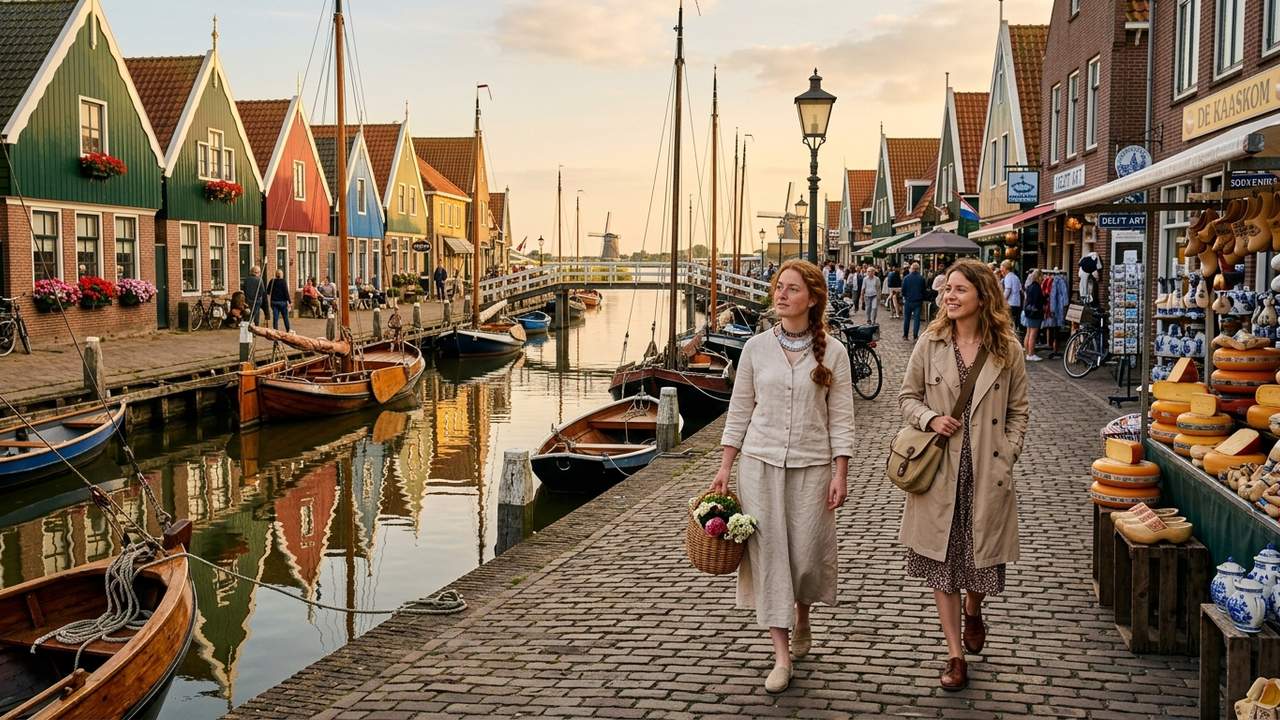
Image generated by AI
Volendam Tourism Sparks Debate as Mass Visitor Numbers Clash With Preserved Dutch Cultural Heritage and Commercial Tourism Demands
[Amsterdam, June 21, 2026] — Volendam tourism continues to draw intense scrutiny as annual visitor numbers surge past millions while local officials and travel analysts debate the long-term sustainability of its highly commercialized waterfront model. The North Holland municipality sits at the center of a growing conversation about balancing preserved Dutch cultural heritage with the economic realities of mass tourism. Industry observers note that the village’s infrastructure, particularly the heavily trafficked De Dijk promenade, now caters to international travelers at a scale that has fundamentally redefined its coastal identity.
Volendam Tourism Faces Scrutiny Over Commercialization Levels
The municipality has become a focal point for discussions regarding European destination management. Travel professionals frequently cite the concentration of souvenir retailers, photo studios, and themed dining establishments along the main waterfront as evidence of a shift toward consumption-driven hospitality. Prominent travel commentators, including Rick Steves, have publicly labeled the area a classic tourist trap, reflecting a wider sentiment among independent travelers who seek unscripted local interactions. Despite these assessments, the location maintains robust booking volumes, largely because of its straightforward accessibility from Amsterdam and its longstanding reputation as a gateway to traditional Dutch maritime life.
Commercial Attractions Drive Revenue While Raising Authenticity Questions
The Volendam Museum operates as a primary economic engine, showcasing structured exhibits on regional fishing practices, maritime tools, and generational lifestyle shifts. Visitor feedback indicates that while the educational content holds historical merit, the presentation style often feels engineered for quick consumption rather than immersive cultural exchange. De Dijk experiences peak congestion during summer months and holiday weekends, prompting businesses to scale operations accordingly. Restaurant chains and retail vendors have expanded their footprint to handle the influx, reinforcing a cycle where tourism demand directly dictates local development patterns.
Historical Maritime Traditions Remain Embedded in Local Identity
Beneath the modern retail facade, centuries-old customs continue to shape community life. The distinctive hul bonnet and accompanying traditional garments remain active components of cultural celebrations, village festivals, and guided heritage tours. Maritime history fundamentally influenced the settlement’s architectural layout, culinary preferences, and social structures along the Markermeer coastline. Regional cultural preservation institutes have cataloged these developments, documenting how coastal livelihoods evolved into a recognized pillar of the Netherlands’ broader economic and artistic narrative.
Hotel Spaander Preserves a 19th-Century European Artists’ Legacy
Architectural and artistic historians point to Hotel Spaander as a critical anchor of the village’s non-commercial heritage. During the late 1800s, European painters migrated to the area seeking inspiration from traditional dress, rugged coastlines, and unchanged rural routines. These creatives established an informal residency program within the hotel, trading original canvases for lodging and meals. The institution currently houses a permanent collection of these historical works, providing a tangible link to an era when Volendam functioned as an international cultural crossroads rather than a packaged destination.
Regional Neighbors Offer Alternative Visitor Experiences
Destination planners and travel guides frequently position Edam and Haarlem as complementary stops for visitors seeking quieter environments. Edam relies on historic canal-side architecture and a centuries-old cheese aging tradition to attract smaller, more deliberate crowds. Haarlem leverages its intact medieval urban grid, independent galleries, and municipal museums to draw culturally focused travelers. While these neighboring municipalities experience lower daily foot traffic, Volendam maintains its market position through proximity to the capital and its compact, easily navigable layout.
Infrastructure Development Struggles to Balance Economic Growth and Resident Needs
Municipal zoning committees and local business owners navigate ongoing challenges as visitor volumes dictate service expansion. Guided excursion operators, specialty food vendors, and retail enterprises have adjusted their business models to prioritize international demand. This commercial realignment has generated measurable revenue increases but has simultaneously triggered concerns about housing availability, noise levels, and the preservation of everyday community routines. Urban planning authorities report that managing pedestrian flow and regulating short-term rental permits remain top priorities for maintaining livability.
Cultural Significance Endures Amidst Ongoing Commercial Pressures
Tourism boards and heritage advocates continue to emphasize that the village functions as a living archive of Dutch coastal history. Maritime artifacts, preserved building facades, traditional textiles, and documented artistic movements collectively support its classification as a culturally significant municipality. Visitor management strategies increasingly focus on educating travelers about historical context before they engage with commercial offerings. This approach aims to transform passive sightseeing into informed cultural appreciation.
Destination Management Models Face Reevaluation Across Coastal Regions
The economic footprint of high-volume tourism in Volendam extends beyond immediate hospitality revenues. Local property markets have adjusted to meet short-term rental demand, influencing residential housing availability and rental pricing structures. Service sector employment remains tightly correlated with seasonal visitor patterns, creating fluctuating income streams for hospitality staff and retail workers. Environmental management teams report increased waste generation and waterfront maintenance requirements during peak months, prompting municipal authorities to implement stricter sanitation protocols. These operational pressures highlight the complex trade-offs inherent in destinations that rely heavily on day-trip and coach-party models.
Destination management strategies across the Netherlands will likely require more stringent visitor caps and diversified attraction offerings to maintain long-term viability. Municipal planners are expected to prioritize infrastructure upgrades that separate pedestrian routes from commercial zones, reducing congestion along primary thoroughfares. Heritage preservation initiatives will probably integrate digital storytelling tools to complement physical exhibits, ensuring historical narratives remain accessible without overwhelming physical spaces. The evolving model in Volendam will serve as a benchmark for other European coastal communities navigating similar growth trajectories.
Volendam tourism debate intensifies as millions of visitors clash with Dutch cultural heritage preservation, prompting new destination management strategies across North Holland.
Related Travel Guides
Disclaimer
This article is for informational and educational purposes only. It does not constitute legal, financial, or professional advice. While we strive to provide accurate and up-to-date information, travel policies, regulations, and conditions change rapidly. Always verify information with official sources before making travel decisions. Nomad Lawyer makes no representations about the accuracy, reliability, completeness, or suitability of the information provided. Readers should consult qualified professionals for advice specific to their circumstances. The views expressed in this article are those of the author and do not necessarily reflect the views of Nomad Lawyer.
Raushan Kumar
Founder & Lead Developer
Full-stack developer with 11+ years of experience and a passionate traveller. Raushan built Nomad Lawyer from the ground up with a vision to create the best travel and law experience on the web.
Learn more about our team →