
Cà Mau Smart Tourism Transformation: AI and Digital Innovation in Vietnam
Cà Mau is redefining Mekong Delta tourism through Resolution 57, implementing AI-driven analytics, virtual reality, and

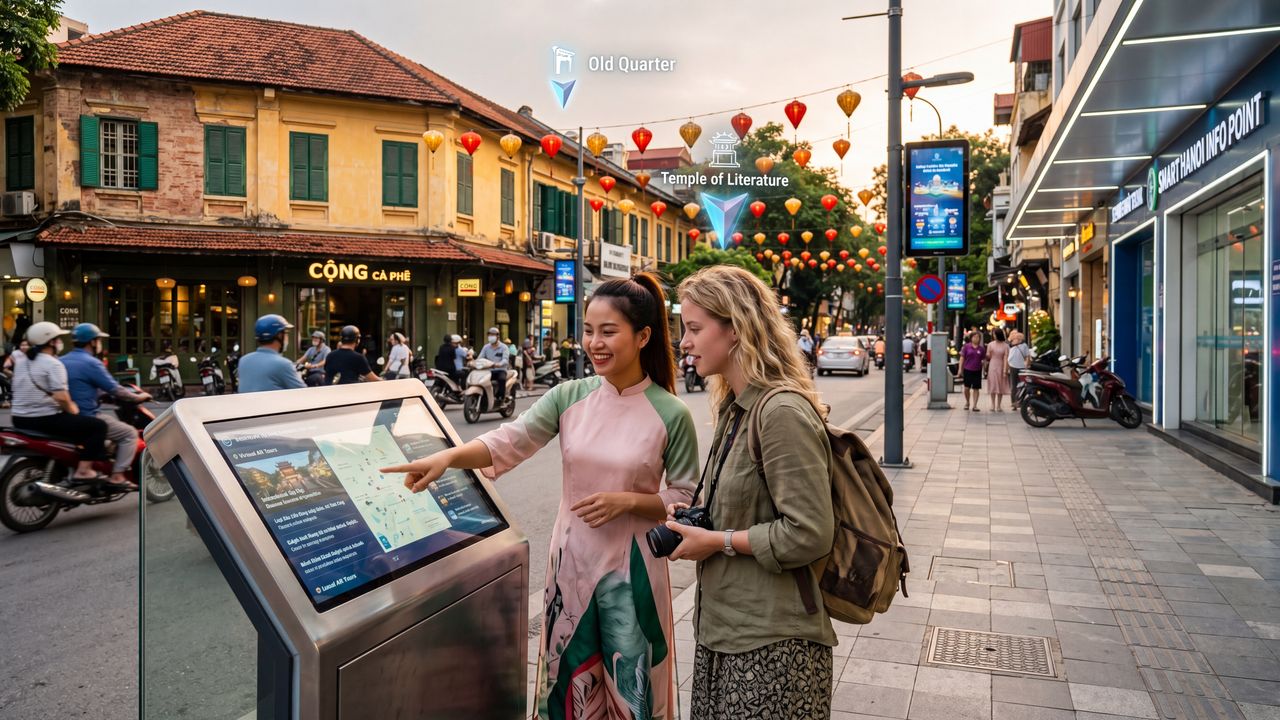
Image generated by AI
The Core Development
Cà Mau is executing a systemic overhaul of its tourism sector via Resolution 57. This strategic framework moves beyond simple digitalization, integrating AI-driven travel tech and virtual experiences into the regional ecosystem. The transition is anchored by a total upgrade of the province's digital foundation, ensuring that remote coastal and rural areas are no longer disconnected from the global travel market.
The shift focuses on a "digital-first" journey, where the visitor experience begins with virtual exploration and is managed by real-time data analytics, reducing the reliance on traditional, static tourism marketing.
Key Facts Breakdown
- Infrastructure Baseline: 100% broadband and telecom coverage across the population; fiber-optic connectivity extended to all residential zones and hamlets.
- Visitor Interface: Deployment of smart tourism mobile apps, 360-degree virtual previews of attractions, and location-based guidance systems.
- Backend Intelligence: Use of AI for visitor pattern analysis, Big Data for forecasting, and cloud-based administrative systems.
- Environmental Integration: Implementation of early warning systems for climate risks and coastal erosion linked directly to tourism zones.
- Governance Efficiency: 97% of administrative procedures are now processed on time through digitized public service platforms.
- Community Inclusion: Digital literacy programs targeting rural residents and small tourism enterprises to prevent a "digital divide."
Data Table: Digital Transformation Metrics
| Sector | Implementation Detail | Current Status/Metric |
|---|---|---|
| Connectivity | Fiber-optic reach | All hamlets and residential zones |
| Governance | Admin procedure timeliness | >97% on-time processing |
| Tech Stack | Visitor Management | AI-based pattern analysis & Big Data |
| Experience | Pre-visit engagement | 360-degree virtual previews |
Why This Matters
Industry observers note that Cà Mau’s approach represents a shift from "destination marketing" to "ecosystem management." By prioritizing the "invisible layer"—the data and connectivity—before launching consumer-facing apps, the province avoids the common pitfall of deploying "smart" tools on unstable infrastructure.
The integration of environmental monitoring (erosion and climate risks) into the tourism tech stack is particularly significant. In the Mekong Delta, where ecological volatility is high, linking AI forecasting with tourism management is not just a luxury but a necessity for sustainable growth. This creates a blueprint for other climate-vulnerable regions to maintain tourism viability through predictive technology.
Industry Outlook
Expect Cà Mau to move toward a fully integrated, real-time data-sharing model between government agencies and private operators. The next phase will likely see a deeper penetration of immersive virtual tourism to drive conversion rates for physical visits. However, the pace of this evolution will depend on the province's ability to close the talent gap, as the current shortage of highly trained digital professionals remains the primary bottleneck to scaling these AI systems.
Related Travel Guides
Disclaimer
This article is for informational and educational purposes only. It does not constitute legal, financial, or professional advice. While we strive to provide accurate and up-to-date information, travel policies, regulations, and conditions change rapidly. Always verify information with official sources before making travel decisions. Nomad Lawyer makes no representations about the accuracy, reliability, completeness, or suitability of the information provided. Readers should consult qualified professionals for advice specific to their circumstances. The views expressed in this article are those of the author and do not necessarily reflect the views of Nomad Lawyer.
Raushan Kumar
Founder & Lead Developer
Full-stack developer with 11+ years of experience and a passionate traveller. Raushan built Nomad Lawyer from the ground up with a vision to create the best travel and law experience on the web.
Learn more about our team →