
District Zomato Launches India's First Inclusive Dining Toolkit
District by Zomato unveils India's first Inclusive Dining Toolkit in 2026, enabling restaurants to create barrier-free dining experiences for disabled guests, seniors, and pregnant women.

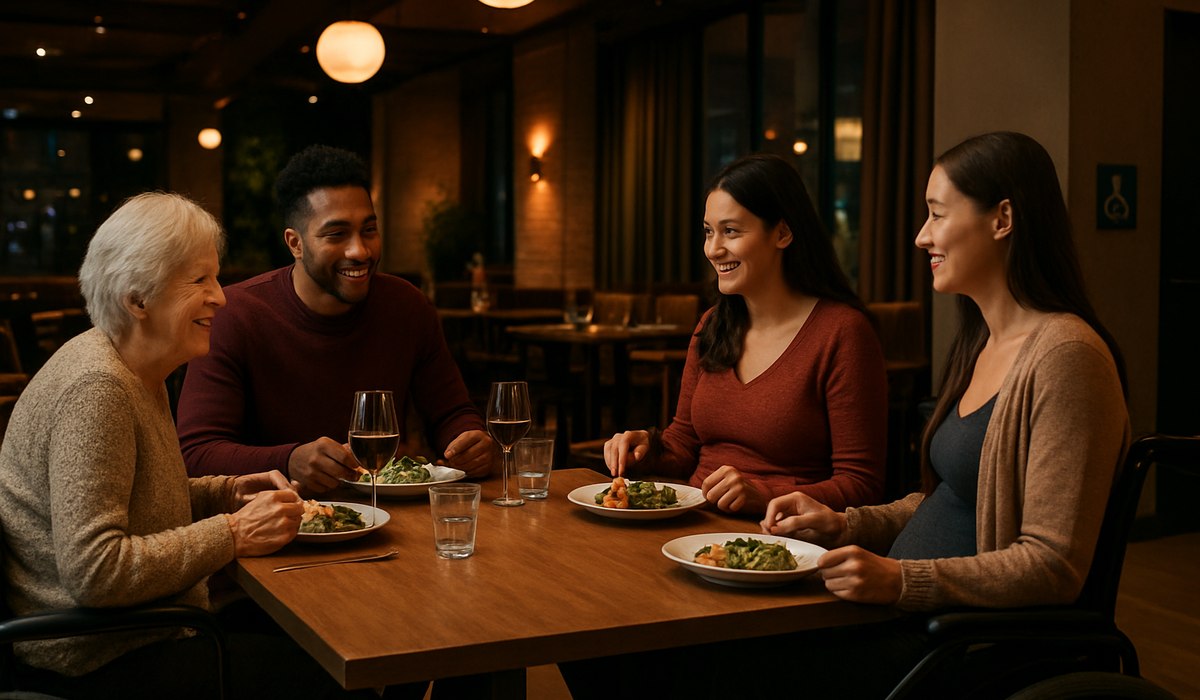
Image generated by AI
District Zomato Launches Revolutionary Inclusive Dining Toolkit for Indian Restaurants
District by Zomato has unveiled India's first comprehensive Inclusive Dining Toolkit, marking a watershed moment for accessible hospitality across the nation. The initiative, launched on May 29, 2026, empowers restaurants to eliminate barriers and welcome diners with disabilities, seniors, and pregnant women. Developed through collaboration with accessibility advocates and India's Department of Empowerment of Persons with Disabilities, this toolkit introduces transformative accessibility standards to the country's restaurant industry. The platform simultaneously rolls out new accessibility-focused features, positioning District Zomato as a leader in inclusive travel and dining experiences.
What Is the Inclusive Dining Toolkit?
The Inclusive Dining Toolkit represents a comprehensive resource suite designed to help restaurant operators implement accessibility standards without requiring major renovations or operational overhauls. Rather than prescriptive regulations, the toolkit offers flexible, scalable recommendations tailored to various restaurant sizes, cuisines, and operational models.
The framework addresses three critical dimensions: physical accessibility, service protocols, and digital accessibility. Restaurants receive detailed guidance on wheelchair navigation routes, accessible restroom specifications, and seating arrangements. Staff training modules cover disability etiquette, communication strategies, and emergency assistance procedures. The toolkit emphasizes that accessibility benefits all diners, from families with strollers to elderly guests seeking comfortable dining environments.
District Zomato's platform integration allows restaurants to display their accessibility certifications prominently. Diners can filter establishments by specific accessibility features before making reservations, creating transparency across the marketplace. This discovery mechanism transforms how travelers with accessibility needs plan dining experiences in unfamiliar cities.
Learn more about accessible travel planning resources through established accessibility organizations.
Key Accessibility Features and Standards
The toolkit incorporates evidence-based standards developed through extensive stakeholder consultation. Physical accessibility requirements include designated parking spaces, level entry points, grab bars in restrooms, and accessible seating with adequate clearance for wheelchairs.
Service excellence standards mandate staff training on assisting guests with various disabilities without presuming limitations. Restaurants receive guidance on offering braille menus, large-print options, and audio descriptions of dishes. For pregnant women, the toolkit recommends accessible seating with back support and proximity to restrooms.
Digital accessibility features enable voice-guided navigation through District Zomato's interface. Restaurants can upload detailed accessibility information, including step counts, specific facility locations, and staff contact numbers for advance accommodation requests. Diners receive real-time accessibility confirmations when booking, eliminating uncertainty around access barriers.
The toolkit also addresses invisible disabilities through policies supporting service animals, quiet dining zones for guests with sensory sensitivities, and flexible reservation modifications. Seasonal updates ensure standards evolve with emerging accessibility practices.
Explore accessibility standards in hospitality through international tourism bodies.
Impact on India's Restaurant Industry
This launch signals a fundamental shift in how India's restaurant sector approaches inclusive dining. Currently, an estimated 40 million Indians live with disabilities, yet accessibility standards remain inconsistent across the hospitality industry. The District Zomato initiative creates financial incentives for compliance while removing knowledge barriers.
Early-adopting restaurants report increased bookings from previously underserved customer segments. Accessibility improvements attract multigenerational dining parties, expanding revenue opportunities beyond individual disabled diners. Several pilot restaurants experienced 15-20% increases in table reservations after implementing toolkit recommendations.
The initiative particularly impacts urban travel experiences. Business travelers, tourists, and families now access reliable information about accessible dining options in cities like Delhi, Mumbai, Bangalore, and Hyderabad. This transparency transforms destination appeal for travelers with accessibility requirements, potentially influencing tourism patterns.
Government partnerships signal policy recognition that accessibility drives economic inclusion. The Department of Empowerment collaboration suggests future regulatory frameworks may incorporate toolkit standards, benefiting restaurants that adopt early. This positions forward-thinking establishments as sector leaders.
Implementation and Rollout Timeline
District Zomato's phased rollout began in May 2026 with initial onboarding of 500+ partner restaurants across major metropolitan areas. The platform prioritizes establishments in high-traffic dining districts, airports, and hospitality corridors where tourists frequent.
Implementation involves three stages. Phase one focuses on digital profile optimization, enabling restaurants to document existing accessibility features. Phase two provides staff training resources through video modules and downloadable guides. Phase three introduces physical audit support, where District specialists conduct site assessments and recommend priority improvements.
Restaurants maintaining toolkit compliance receive platform badges and priority placement in accessibility-filtered searches. This gamification approach encourages continuous improvement while rewarding compliant establishments. By December 2026, District projects 2,000+ certified restaurants across India.
The toolkit remains free for participating restaurants, with District absorbing development and support costs. This accessibility-first pricing model eliminates financial barriers that historically prevented small establishments from adopting inclusive practices.
Comparative Implementation Table: Accessibility Standards Overview
| Feature Category | Pre-Toolkit Status | Inclusive Toolkit Standard | Implementation Timeline |
|---|---|---|---|
| Physical accessibility certifications | Inconsistent/none | Standardized marking system | Immediate |
| Staff disability training | Rarely formalized | Mandatory video modules | 30 days |
| Digital menu accessibility | Limited text options | Braille, large-print, audio | 15 days |
| Accessible seating specification | No standards | Minimum 3-4 tables certified | 60 days |
| Service animal policies | Unclear across venues | Explicit written policies | 15 days |
| Advance accommodation requests | Manual phone calls | Integrated booking system | Immediate |
| Regular compliance audits | Non-existent | Quarterly platform reviews | Rolling basis |
| Customer feedback integration | Informal | Structured accessibility surveys | Ongoing |
What This Means for Travelers
The District Zomato Inclusive Dining Toolkit launch transforms dining accessibility for all travelers, regardless of ability status. Here are actionable implications:
-
Enhanced Trip Planning: Search restaurants by specific accessibility features (wheelchair access, accessible restrooms, service animal policies) directly through District, eliminating pre-arrival uncertainty.
-
Reliable Information: Toolkit-certified establishments display verified accessibility details rather than assumptions, enabling confident dining reservations.
-
Expanded Destination Options: Cities with higher toolkit adoption become more accessible for travelers with disabilities, seniors, and families, potentially influencing destination selection.
-
Advance Communication: Book restaurants with confidence knowing you can request accommodations (accessible seating, dietary modifications for pregnant women, service animal spaces) through the integrated system.
-
Peer Verification: User reviews increasingly highlight accessibility experiences, creating community feedback that guides dining decisions.
-
Inclusive Group Travel: Multigenerational or mixed-ability travel groups can confidently plan meals accommodating diverse needs simultaneously.
Frequently Asked Questions
How do restaurants join the Inclusive Dining Toolkit program?
Restaurants register through the District platform and complete a digital profile documenting existing accessibility features. District provides free staff training resources and optional on-site audit support. No certification fees apply. Registration requires commitment to maintain published accessibility standards and respond to customer accessibility inquiries within 24 hours.
Can I filter restaurants by specific accessibility needs on District Zomato?
Yes. The platform enables filtering by wheelchair accessibility, accessible restrooms, service animal policies, large-print menus, quiet dining zones, and braille menu availability. Diners input specific requirements during reservation, and District matches compatible restaurants from its verified network.
What happens if a certified restaurant doesn't meet published accessibility standards?
District conducts quarterly compliance audits based on user feedback and announced spot-checks. Non-compliant establishments receive remediation timelines and training support. Persistent violations result in badge removal and reduced visibility in accessibility-filtered searches, creating accountability incentives.
Does the toolkit cover all Indian cities?
Initial rollout (May-
Disclaimer
This article is for informational and educational purposes only. It does not constitute legal, financial, or professional advice. While we strive to provide accurate and up-to-date information, travel policies, regulations, and conditions change rapidly. Always verify information with official sources before making travel decisions. Nomad Lawyer makes no representations about the accuracy, reliability, completeness, or suitability of the information provided. Readers should consult qualified professionals for advice specific to their circumstances. The views expressed in this article are those of the author and do not necessarily reflect the views of Nomad Lawyer.
Preeti Gunjan
Contributor & Community Manager
A passionate traveller and community builder. Preeti helps grow the Nomad Lawyer community, fostering engagement and bringing the reader experience to life.
Learn more about our team →