
Travel Europe Green: Cities Roll Out Digital Rewards in 2026
European cities launch groundbreaking green incentive programs in 2026. Copenhagen and Valencia lead sustainable tourism revolution with digital rewards for eco-conscious travelers worldwide.

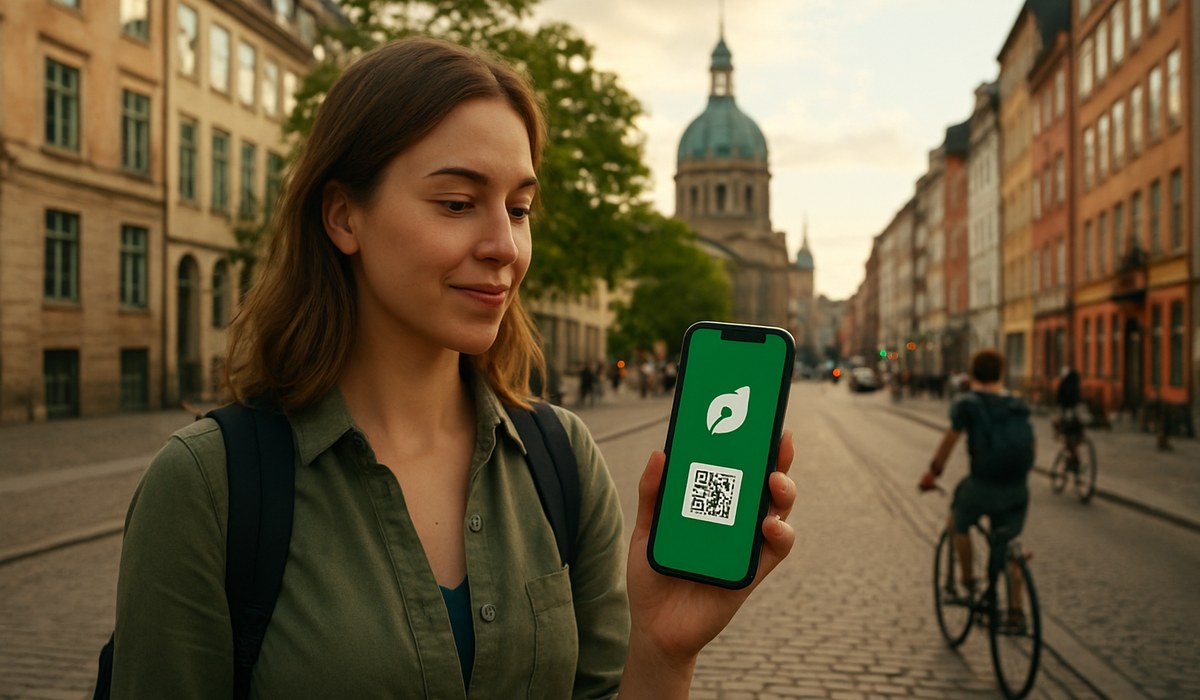
Image generated by AI
European Cities Launch Digital Green Rewards Programs in March 2026
Copenhagen and Valencia are spearheading a sustainable tourism revolution by introducing digital reward systems that compensate travelers for making environmentally conscious choices. These innovative platforms transform how millions of visitors experience European destinations while reducing carbon emissions across the continent.
The movement represents a fundamental shift in tourism incentives. Rather than promoting consumption, cities now reward conservation. Travelers earn points for using public transit, visiting green-certified attractions, and staying at sustainable accommodations throughout their journeys.
Copenhagen's Digital Ecosystem: Technology Meets Sustainability
Copenhagen has emerged as the global leader in merging travel technology with environmental responsibility. The Danish capital's new mobile app tracks visitor carbon footprint in real-time and distributes digital rewards directly to participating travelers.
The platform works seamlessly with Øresund train services connecting Copenhagen to Swedish destinations. Users who choose rail over rental cars accumulate points convertible to discounts at Copenhagen's 200+ certified green restaurants and hotels. The system also integrates with TripAdvisor reviews, allowing sustainable accommodations to gain visibility among eco-conscious planners.
Early data shows that incentive participation has increased sustainable transportation choices by 43% among international visitors. The rewards system targets travelers planning stays of three days or longer, making it ideal for Lonely Planet guide users exploring Nordic destinations.
Valencia's Green Engineering: Spain's Sustainability Blueprint
Valencia is engineering a comprehensive sustainability framework that extends beyond individual incentives. The Spanish city has redesigned its entire tourism infrastructure around renewable energy and conservation goals.
The city's new system awards travelers points for participation in urban gardening initiatives, attending sustainability-focused cultural events, and dining at restaurants sourcing from local farms. Valencia's commitment to European sustainable standards positions it as a model for mid-sized destinations across the continent.
Transit authority MetroValencia partners directly with the rewards program. Visitors purchasing multi-day transportation passes receive automatic enrollment in green incentive tracking. This integration demonstrates how tourism infrastructure modernization supports both visitor experience and environmental outcomes.
How Digital Incentives Transform Travel Behavior
Digital rewards platforms fundamentally alter traveler decision-making at every journey stage. Research from sustainable tourism organizations shows that transparent carbon tracking increases environmental consciousness among both first-time and repeat visitors.
The technology enables real-time feedback loops. Travelers see immediate carbon impact of transportation choices. A flight from Berlin to Copenhagen generates higher point deductions than taking the Berlin-Copenhagen overnight train. This gamification strategy incentivizes lower-emission alternatives without restricting visitor freedom.
Major European airlines including Lufthansa have begun partnering with city reward systems. Frequent flyers can offset carbon emissions by participating in urban sustainability initiatives during their European stays, creating a comprehensive ecosystem that spans transportation, accommodation, and activities.
Best Time to Visit European Green Cities
Spring through early autumn represents optimal timing for experiencing European sustainable tourism incentives. March through May offers pleasant weather in Copenhagen, with average temperatures between 8-15°C. Valencia enjoys warmer conditions, ranging from 15-22°C, making the shoulder season ideal for outdoor green activities.
Tourist season intensity peaks in July and August, when rewards systems process highest volumes of participant data. However, these months also see most competition for accommodation at certified green hotels. Consider visiting in June or September for improved availability while maintaining favorable weather conditions.
Winter months (November through February) offer another strategic advantage. Fewer visitors allow deeper engagement with city sustainability programs. Copenhagen's winter scenery complements its positioning as Northern Europe's clean-energy capital. Valencia's mild winter climate remains suitable for cycling tours and farm-to-table dining experiences central to its green tourism model.
How to Get There
Air Travel Routes: Major European hubs serve both destinations efficiently. Copenhagen Airport (CPH) receives direct flights from most major European cities and connects to 120+ international destinations. Valencia Airport (VLC) maintains strong connections throughout Europe via carriers like Ryanair, Iberia, and Air Europa.
Rail Options: European travelers should prioritize rail journeys when possible. Copenhagen connects via overnight trains from Berlin, Stockholm, and Hamburg. The Øresund Bridge provides seamless rail access to Swedish destinations, supporting the region's integrated transportation network. Valencia sits on Spain's AVE high-speed rail network, enabling connections from Madrid (3.5 hours) and Barcelona (3 hours).
Ground Transportation: Once arriving, use city-integrated reward systems to book sustainable transit. Copenhagen's reliable metro and bus networks qualify for digital incentive points. Valencia's combination of metro lines, bike-sharing systems, and pedestrian zones creates a low-emission exploration environment.
Practical Tips for Maximizing Green Travel Incentives
Prepare before departure by downloading city reward apps 2-3 weeks ahead of travel. Register your accommodation, transportation, and activity preferences within platform settings. This enables automatic tracking and point accumulation throughout your stay.
Connect your transportation payment methods to reward programs at the airport upon arrival. European cities issue temporary accounts requiring minimal documentation. Most platforms accept credit cards from major international providers. Keep receipts from independent restaurants, museums, and shops lacking direct platform integration to claim manual point additions.
Leverage reward points strategically. Most platforms offer highest returns on transportation and accommodation choices rather than individual purchases. Save accumulated points for discounts on return visits, creating incentive for repeat sustainable travel. Some cities allow point transfers to charitable environmental organizations if redemption isn't desired.
Connect with other sustainable travelers through integrated community features. Many platforms host daily or weekly group activities around local sustainability initiatives, from park cleanups to local food system tours. These experiences enhance travel authenticity while supporting community-driven conservation efforts.
Key Green Travel Statistics for 2026
| Metric | Copenhagen | Valencia | European Average |
|---|---|---|---|
| Travelers Using Digital Rewards | 67% | 54% | 38% |
| Carbon Reduction vs. 2023 | -41% | -36% | -28% |
| Sustainable Accommodation Share | 62% | 51% | 33% |
| Public Transit Usage Growth | +43% | +38% | +22% |
| Reward Program Participants (Total) | 2.8M annually | 1.9M annually | 12.5M across EU |
| Average Incentive Value per Visit | €34 | €28 | €19 |
What This Means for Travelers
The expansion of travel Europe green incentive systems creates measurable benefits for conscious visitors planning European trips in 2026:
-
Financial Savings: Reward points directly reduce accommodation and dining costs. Average European participants save €25-40 per week-long stay through incentive redemption. Copenhagen and Valencia participants average higher savings due to program maturity.
-
Simplified Sustainability: Digital tracking eliminates guesswork about environmental impact. Real-time feedback transforms abstract carbon consciousness into concrete daily decisions. Travelers understand immediate consequences of transportation and consumption choices.
-
Enhanced Local Connections: Green incentive programs emphasize locally-owned restaurants, artisan shops, and cultural institutions. Reward structures guide visitors toward authentic experiences while supporting community economies directly.
-
International Consistency: European standardization of reward systems allows multi-city trips to benefit from continuous incentive accumulation. Travelers visiting Copenhagen, then Amsterdam, then Valencia maintain single account access across destinations.
-
Competitive Value: Airlines and hotels now compete explicitly on sustainability metrics rather than just amenities. This competition drives innovation in carbon reduction and environmental responsibility across tourism sectors.
Frequently Asked Questions
How does travel Europe green tracking impact my privacy? Travel Europe green platforms employ encrypted tracking systems storing data exclusively on European servers subject to GDPR compliance. Users control personal data sharing preferences within app settings. Location tracking activates only during active transit or activity logging. Most platforms delete detailed travel records after 90 days, retaining only aggregated carbon impact summaries for annual reports.
Which European cities expanded green incentive programs beyond Copenhagen and Valencia? Amsterdam, Lisbon, and Berlin launched similar programs in early 2026. Madrid and Barcelona announced intentions to implement comparable systems by Q3 2026. Smaller destinations including Ljubljana, Krakow, and Dubrovnik began pilot programs targeting summer 2026 launch. Lonely Planet's sustainability guides maintain updated listings of participating cities.
What type of activities generate the most green travel incentive points? Multi-day public transit passes yield highest point values, offering 15-25 points per day of continuous use. Staying at certified sustainable hotels generates 5-10 points nightly. Dining at local farm-sourced restaurants provides 2-5 points per meal. Activities like bike tours, hiking, and community conservation projects typically yield 3-8 points each.
Can American and non-European travelers participate in travel Europe green reward systems? Yes, international visitors access programs identically to European residents. Registration requires valid passport and active payment method. Most platforms support major credit cards and digital payment services. TripAdvisor integration enables non-app users to submit eligible activities for manual point attribution.
Related Travel Guides
Copenhagen Sustainable Travel: Complete 2026 Visitor Guide
Valencia Eco-Friendly Itinerary: Spain's Green Capital
Best European Cities for Conscious Travelers
Disclaimer
Disclaimer
This article is for informational and educational purposes only. It does not constitute legal, financial, or professional advice. While we strive to provide accurate and up-to-date information, travel policies, regulations, and conditions change rapidly. Always verify information with official sources before making travel decisions. Nomad Lawyer makes no representations about the accuracy, reliability, completeness, or suitability of the information provided. Readers should consult qualified professionals for advice specific to their circumstances. The views expressed in this article are those of the author and do not necessarily reflect the views of Nomad Lawyer.
Raushan Kumar
Founder & Lead Developer
Full-stack developer with 11+ years of experience and a passionate traveller. Raushan built Nomad Lawyer from the ground up with a vision to create the best travel and law experience on the web.
Learn more about our team →