
Bulgaria Records Second-Highest EU Summer Tourism Concentration in 2025: Seasonal Challenges
New Eurostat data reveals Bulgaria has the second-highest summer tourism concentration in the EU, with 43% of annual overnight stays occurring in July and August.

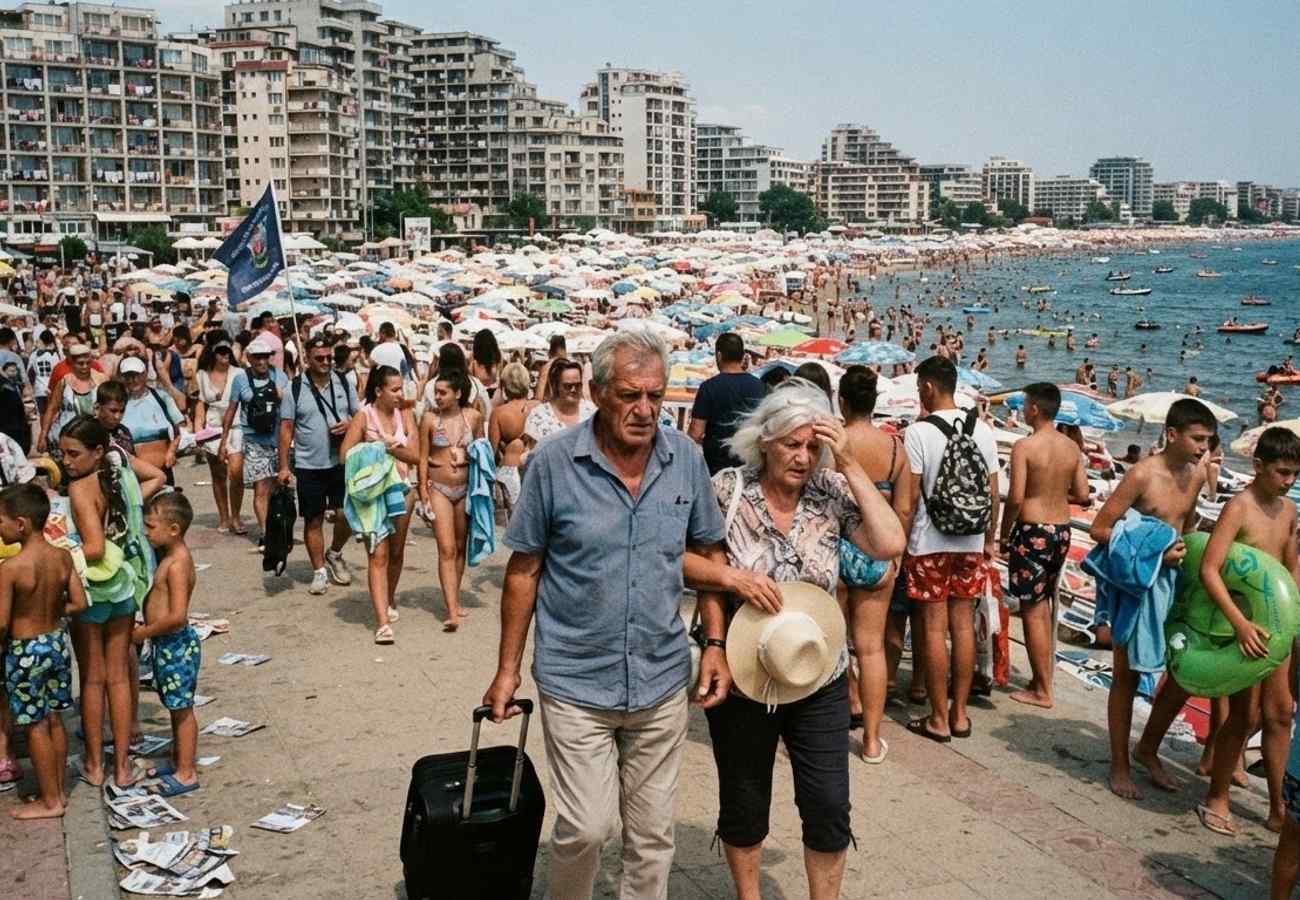
Image generated by AI
Bulgaria has emerged as one of the most seasonal tourism markets in the European Union, with 43% of all annual overnight stays concentrated within the two months of July and August. According to the latest data from Eurostat, this level of concentration places Bulgaria second only to Croatia, where the summer peak accounts for 55% of annual visits.
This extreme clustering of travel activity highlights a systemic reliance on the Black Sea coast. While the high volume of summer visitors drives significant short-term revenue, it creates a precarious economic model that leaves the industry vulnerable to weather shifts, geopolitical instability, and fluctuations in household budgets.
The disparity is stark when compared to the broader European landscape. Across the EU, the average summer concentration sits at 31%. In contrast, the "seasonal trio" of Croatia (55%), Bulgaria (43%), and Greece (42%) demonstrates a heavy dependency on sun-and-sea leisure travel that far exceeds the continental norm.
Analyzing the Summer Surge: The Black Sea Influence
The concentration of visitors is primarily driven by Bulgaria's coastal infrastructure. The Black Sea resorts, tailored for family leisure and charter tourism, act as the primary engine for the national tourism identity. However, this strength is a double-edged sword.
When nearly half of a year's accommodation activity is compressed into eight weeks, the pressure on local infrastructure becomes immense. This creates a "bottleneck" effect where transport, waste management, energy grids, and water supplies must operate at maximum capacity, often leading to service quality degradation.
The economic impact is equally polarized. While hotels and restaurants report maximum occupancy in August, the remaining ten months often see underutilized facilities and unstable employment. This volatility makes it difficult for local businesses to maintain year-round staffing or secure long-term investment.
August 2025 Performance Metrics
Data from Bulgaria’s National Statistical Institute illustrates the sheer scale of the August peak. The surge in arrivals indicates a growing appeal for the destination, but also underscores the intensity of the seasonal load.
Bulgaria August 2025 Accommodation Statistics
| Metric | Value |
|---|---|
| Operating Accommodation Establishments | 3,771 |
| Total Available Rooms | 152,900 |
| Total Bed Places | 355,600 |
| Total Overnight Stays | 6.42 Million+ |
| Non-Resident Overnight Stays | 4.18 Million+ |
| Total Arrivals | 1.65 Million |
| Year-on-Year Arrival Growth | +3.1% |
Diversification Strategies: Beyond the Beach
To mitigate the risks of high seasonality, Bulgaria is increasingly pivoting toward "shoulder season" and winter products. The Ministry of Tourism has noted that 2025 saw the strongest winter season on record, suggesting that the market is ready for a more balanced calendar.
Between January and April 2025, tourist registrations in establishments with ten or more beds exceeded 2 million, with overnight stays reaching nearly 4.5 million. This represents a 6.4% increase in tourist numbers and a 4.5% rise in overnight stays compared to the previous year.
Key Areas for Off-Season Growth
- Mountain Tourism: The "Summer in the Mountains" initiative aims to leverage hiking, cycling, and wellness to attract visitors during spring and autumn.
- Urban Culture: Cities like Sofia, Plovdiv, and Veliko Tarnovo offer heritage and gastronomic experiences that are independent of beach weather.
- Wellness and Spa: Bulgaria's mineral springs provide a consistent draw for health-conscious travelers throughout the winter.
- Heritage Sites: The Rila Monastery and Thracian ruins provide cultural anchors for educational and historical tours.
The Economic Imperative for Year-Round Travel
Shifting the tourism model from a "peak-only" system to a sustainable year-round strategy would provide immediate economic stability. By spreading visitor flows, Bulgaria can transition from seasonal, temporary contracts to stable, long-term employment.
A balanced calendar would allow coastal businesses to improve cash flow and reduce the financial stress of surviving the "quiet months." Furthermore, it would alleviate the environmental and social strain on coastal communities during the July-August window, leading to a higher quality of experience for the visitor.
The challenge remains in packaging and marketing. To break the summer bottleneck, Bulgaria must transition its brand image from a "beach destination" to a "multi-experience destination," integrating its mountains, cities, and spas into a cohesive, year-round itinerary.
Bulgaria's current summer success is a testament to its appeal, but its future resilience depends on its ability to make the rest of the year just as attractive.
Related Travel Guides
Disclaimer
This article is for informational and educational purposes only. It does not constitute legal, financial, or professional advice. While we strive to provide accurate and up-to-date information, travel policies, regulations, and conditions change rapidly. Always verify information with official sources before making travel decisions. Nomad Lawyer makes no representations about the accuracy, reliability, completeness, or suitability of the information provided. Readers should consult qualified professionals for advice specific to their circumstances. The views expressed in this article are those of the author and do not necessarily reflect the views of Nomad Lawyer.
Raushan Kumar
Founder & Lead Developer
Full-stack developer with 11+ years of experience and a passionate traveller. Raushan built Nomad Lawyer from the ground up with a vision to create the best travel and law experience on the web.
Learn more about our team →