
Brazil Travel Safety Update 2026: Navigating Crime and Kidnapping Risks in Rio and São Paulo
International travelers are urged to exercise increased caution in Brazil following updated safety warnings regarding violent crime and express kidnappings in major urban hubs.

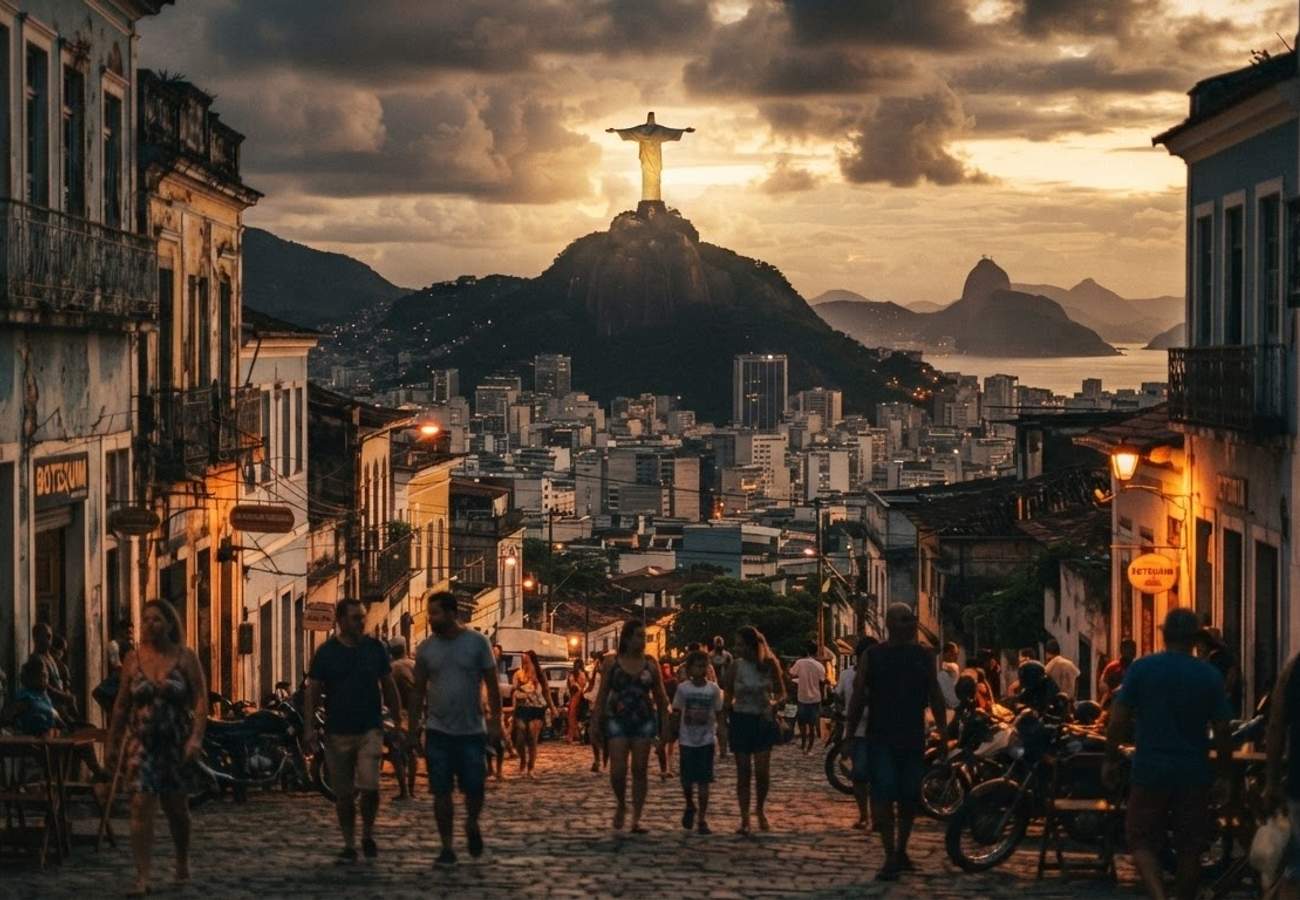
Image generated by AI
The US Department of State maintains a Level 2 travel advisory for Brazil, urging visitors to exercise increased caution due to persistent risks of violent crime and kidnapping.
The Shift Toward Vigilant Tourism in Brazil
Brazil continues to be a global magnet for millions of travelers drawn by the Amazon rainforest, Iguazu Falls, and the electric energy of Carnival. However, a renewed focus on visitor security is reshaping how international guests approach their itineraries. The current climate is not one of avoidance, but of strategic preparation.
The primary concern for 2026 centers on urban centers. While the country remains open and welcoming, authorities are highlighting a specific set of risks that target those who appear unfamiliar with their surroundings. The trend is moving away from generic sightseeing toward "informed exploration," where travelers prioritize vetted transport and secure zones over spontaneous urban wandering.
High-Risk Zones and Urban Realities
While Brazil's appeal remains rooted in its natural wonders and cultural heritage, three major hubs are currently under increased scrutiny:
- Rio de Janeiro: As the primary gateway for coastal tourism, landmarks like Copacabana Beach, Sugarloaf Mountain, and Christ the Redeemer remain top draws. However, crowded tourist zones and nightlife districts are identified as high-risk areas for opportunistic theft and robbery.
- São Paulo: Latin America's economic powerhouse and a massive aviation hub faces significant challenges with urban crime, particularly targeting business travelers and those in transit.
- Brasília: The capital and surrounding regions have been flagged for elevated security concerns in specific districts, requiring visitors to research their destinations more rigorously.
Understanding the Modern Threat Profile
For the visitor, the real impact of these warnings is found in the specific nature of the crimes reported. It is no longer just about pickpocketing; the threats have become more sophisticated.
Express Kidnappings One of the most pressing concerns is the "express kidnapping." In these scenarios, victims are abducted for short periods and forced to withdraw cash from ATMs or execute digital bank transfers before being released.
Social Engineering and Nightlife Risks Authorities have issued specific warnings regarding social interactions, including those initiated via online dating platforms. There are reported incidents of drinks being spiked with substances to facilitate theft or assault in nightlife environments.
Violent Crime Armed robbery, carjacking, and assault remain prevalent in urban areas, occurring during both daylight and nighttime hours.
Cultural and Environmental Value: Supporting Local Economies Safely
The tension between security concerns and tourism growth is a delicate balance. Tourism is a vital economic pillar for Brazil, supporting everything from luxury hotels in Rio to indigenous-led eco-tours in the Amazon. When travelers avoid the country entirely due to headlines, it is the local communities and conservation efforts that suffer most.
The goal is to transition toward a model of sustainable, responsible travel. By utilizing official tour operators and supporting local guides who understand the security nuances of their neighborhoods, visitors can contribute to the regional economy while significantly lowering their own risk profile.
Visitor Insider Tips: Navigating Brazil Like a Local
To experience the vibrancy of Brazil without becoming a target, follow these local security protocols:
- The "Low Profile" Rule: Avoid wearing expensive jewelry, high-end watches, or carrying professional cameras openly in urban streets. Blend in by dressing casually.
- Transport Security: Never hail a taxi on the street in unfamiliar areas. Use reputable ride-sharing apps or official hotel-arranged transport.
- Digital Hygiene: Be wary of "too good to be true" encounters on dating apps. Always meet in crowded, public spaces and never leave your drink unattended.
- ATM Strategy: Use ATMs located inside banks or shopping malls rather than standalone machines on the street, especially after dark.
- Off-Peak Windows: Visit high-traffic landmarks early in the morning to avoid the peak crowds where pickpockets are most active.
Tourism Outlook: The Path to Confidence
Brazil's long-term competitiveness as a destination depends on its ability to bridge the gap between its image as a welcoming paradise and the reality of its urban security challenges. The future of the industry lies in the cooperation between government agencies and local businesses to create "safe corridors" for tourists.
As global travelers increasingly prioritize safety and reliability over mere affordability, Brazil's investment in visitor protection will be the deciding factor in whether it maintains its status as a top-tier global destination.
Stay alert, stay informed, and experience the soul of South America with caution.
Related Travel Guides
Disclaimer
This article is for informational and educational purposes only. It does not constitute legal, financial, or professional advice. While we strive to provide accurate and up-to-date information, travel policies, regulations, and conditions change rapidly. Always verify information with official sources before making travel decisions. Nomad Lawyer makes no representations about the accuracy, reliability, completeness, or suitability of the information provided. Readers should consult qualified professionals for advice specific to their circumstances. The views expressed in this article are those of the author and do not necessarily reflect the views of Nomad Lawyer.
Kunal K Choudhary
Co-Founder & Contributor
A passionate traveller and tech enthusiast. Kunal contributes to the vision and growth of Nomad Lawyer, bringing fresh perspectives and driving the community forward.
Learn more about our team →