
Seattle Travelers Discover Coastal Views at Richmond Beach Saltwater Park
Richmond Beach Saltwater Park in Shoreline, Washington, offers Seattle travelers scenic Puget Sound views, hiking trails, and marine wildlife.
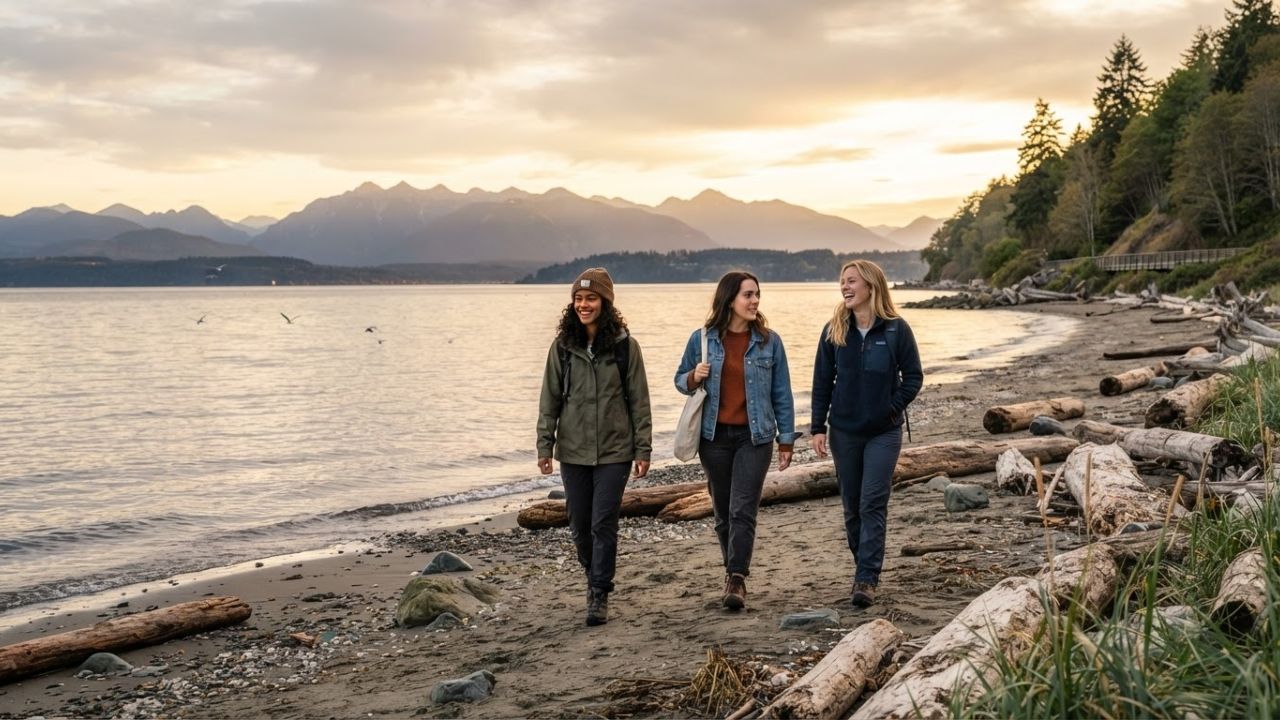
Image generated by AI
Richmond Beach Saltwater Park in Shoreline, Washington, offers travelers scenic Puget Sound shoreline views, walking trails, and marine wildlife watching.
The Local Trend Revealed
Micro-tourism escapes and coastal shoreline parks are becoming highly popular alternatives to long-distance mountain expeditions for travelers visiting the Pacific Northwest. Richmond Beach Saltwater Park, a 40-acre municipal sanctuary located in Shoreline, Washington—just 25 minutes north of central Seattle—offers visitors over 1,000 feet of shoreline bordering Puget Sound.
With restored native plantings and an elevated walkway crossing the coastal railway line, this park allows urban sightseers to access marine habitats and view the Olympic Mountains without requiring extensive logistics planning.
Park Profiles & Wildlife Observation Specifications
Exploring the Puget Sound coastline requires understanding local trail configurations and intertidal cycles. The following tables outline the park parameters and regional wildlife observation profiles.
| Travel Parameter | Park Specification Details | Regional / Municipal Context |
|---|---|---|
| Location & Municipality | Shoreline, Washington | Bordering Puget Sound north of Seattle |
| Total Park Acreage | Approximately 40 acres | Coastal marine reserve area |
| Shoreline Length | More than 1,000 feet | Intertidal pebble and sand beach |
| Primary Scenic Vistas | Olympic Mountains, Puget Sound | West-facing sunset viewing area |
| Main Walking Route | Richmond Beach Loop (1.6 miles) | Coastal forest and hillside trail |
| Key Wildlife Habitats | Marine mammal & bird sanctuaries | Salish Sea migratory corridor |
Richmond Beach Saltwater Park operational profile.
| Wildlife Category | High-Probability Species | Primary Observation Zone | Best Viewing Window |
|---|---|---|---|
| Marine Mammals | Orcas, porpoises, California sea lions | Puget Sound deep-water corridors | Seasonal migrations / high tides |
| Coastal Birds | Hummingbirds, flycatchers, quail | Wetland forest & coastal brush | Spring and autumn migrations |
| Intertidal Critters | Sea stars, crabs, moon snails | Exposed beach rocks & tide pools | Daily low tide windows |
Wildlife tracking and marine species at Richmond Beach Saltwater Park.
Cultural & Environmental Value
For the visitor, the real impact is that structured urban parks protect delicate intertidal ecosystems while supporting community-led ecotourism. When tides recede, travelers can explore tide pools containing sea stars, crabs, and moon snails.
By adhering strictly to designated walkways and observing wildlife from a distance, visitors support municipal conservation initiatives, helping protect the Salish Sea shoreline from erosion while maintaining access for the local community.
Visitor Insider Tips
To make the most of your excursion to Richmond Beach Saltwater Park, follow these local insights:
- Tide Chart Monitoring: Always check the daily tide tables before setting out. Very low tides expose vast tidal zones, allowing walks toward nearby Carkeek Park.
- Accessing the Beach: The beach is accessed via an elevated pedestrian bridge crossing the active BNSF railway tracks. Native plant stairs lead directly to the pebble beach.
- Birding Hotspots: Bring binoculars to observe migratory flycatchers and quail in the forested sections along the 1.6-mile Richmond Beach Loop trail.
- Sunset Photography: Position your camera near the driftwood lines around dusk. The west-facing view offers a silhouette of the Olympic Mountains reflecting across Puget Sound.
Tourism Outlook
The popularity of accessible coastal parks like Richmond Beach highlights the value of municipal open space conservation. While larger wilderness areas require significant travel times, near-city parks provide immediate nature contact.
By continuing to restore native flora and maintaining accessibility infrastructure, regional authorities ensure that Seattle's growing visitor base can experience the natural beauty of the Pacific Northwest sustainably.
Related Travel Guides
Disclaimer
This article is for informational and educational purposes only. It does not constitute legal, financial, or professional advice. While we strive to provide accurate and up-to-date information, travel policies, regulations, and conditions change rapidly. Always verify information with official sources before making travel decisions. Nomad Lawyer makes no representations about the accuracy, reliability, completeness, or suitability of the information provided. Readers should consult qualified professionals for advice specific to their circumstances. The views expressed in this article are those of the author and do not necessarily reflect the views of Nomad Lawyer.