
Brazil Creates a New Adventure Tourism Wave With Iconic Kitesurfing Destinations Across Its Coast
Brazil Creates a New Adventure Tourism Wave With Iconic Kitesurfing Destinations Across Its Coast

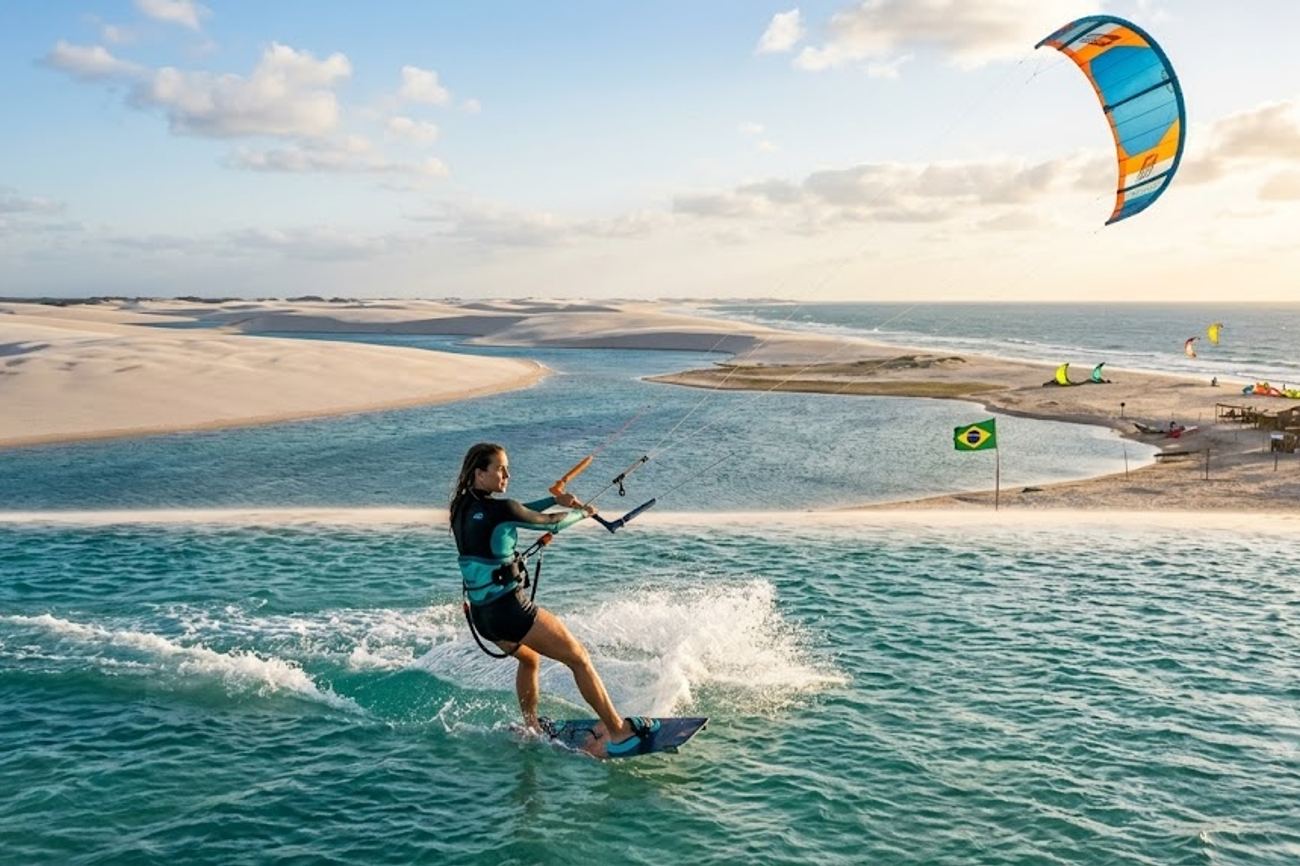
Image generated by AI
[Brasília, October 2023] — Brazil is aggressively scaling its adventure tourism infrastructure to capitalize on a global surge in kitesurfing demand, leveraging over 7,000 kilometers of coastline to establish itself as a premier international hub for wind sports.
The strategic expansion focuses on a diverse geographical corridor stretching from the consistent trade winds of Ceará in the Northeast to the subtropical lagoons of Santa Catarina in the South. By integrating professional training facilities with raw natural landscapes, the Brazilian government and local municipalities are transitioning traditional fishing villages into high-yield tourism centers. This shift targets a demographic of "active travelers" who combine high-end sports equipment requirements with a desire for authentic cultural immersion.
The Catalyst for Wind Tourism Expansion
The rapid growth of Brazil's kitesurfing sector is driven by a rare convergence of meteorological and geographical advantages. The country possesses a unique combination of reliable, high-velocity winds, consistently warm water temperatures, and a vast array of coastal topographies. These conditions allow for a nearly year-round operational window for water sports, reducing the seasonality that typically plagues other global kitesurfing destinations.
Beyond the wind, the diversification of the "adventure product" is the primary driver. Brazil is no longer marketing solely the sport, but a holistic experience that blends technical athletics with ecological exploration. The integration of mangroves, tropical forests, and the unique dune systems of the north creates a multi-layered tourism offering that appeals to both professional athletes and luxury leisure travelers.
Regional Impact Zones and Key Destinations
The expansion is not uniform but concentrated in specific "wind hubs" that offer different technical environments.
| Region | Primary Destination | Technical Environment | Key Appeal |
|---|---|---|---|
| Northeast (Ceará) | Cumbuco | Open beaches, steady winds | Professional schools, high-volume infrastructure |
| Northeast (Ceará) | Taíba | Mixed lagoon and open sea | Versatility for beginners and experts |
| North (Maranhão) | Atins | Sand dunes, freshwater lagoons | Extreme landscapes, Lençóis Maranhenses |
| Northeast (RN) | São Miguel do Gostoso | High-wind coastal strips | Traditional village atmosphere, windsurfing |
| Southeast (SP) | Ilhabela | Channel-driven winds | Atlantic Forest integration, sailing |
| Southeast (RJ) | Araruama Lagoon | Protected inland waters | Salt pan history, flat-water riding |
The Ministry of Tourism has seen these regions evolve from seasonal retreats into permanent economic engines. In Cumbuco, located 35 kilometers from Fortaleza, the transition from a fishing village to a global hub is complete, featuring specialized equipment rental services and international-standard training centers.
Practical Traveler Advisory and Strategic Insights
For the modern nomad or adventure traveler, Brazil's pivot toward organized wind tourism changes the logistics of visiting the coast.
Infrastructure Upgrades: Travelers no longer need to bring all their own gear. The rise of professional hubs in places like Cumbuco and Taíba means high-end equipment rentals and certified instructors are now readily available.
Diversified Itineraries: The "Wind Route" allows for a modular travel experience. A traveler can start in the Northeast for high-intensity learning and move toward the Southeast for a blend of sailing and hiking in the Atlantic Forest (Ministério do Meio Ambiente).
Cultural Integration: There is a shift toward "slow travel." Destinations like São Miguel do Gostoso and Atins prioritize the preservation of sandy streets and local architecture, meaning visitors experience a less commercialized version of Brazil compared to the major urban centers.
Seasonal Flexibility: Because the wind patterns vary across the 7,000km coastline, the "off-season" is effectively minimized. Travelers can move between the Northeast and South to find optimal wind conditions regardless of the month.
The Future of Brazilian Adventure Tourism
The next phase of development focuses on the sustainability of these coastal ecosystems. As Atins and the Lençóis Maranhenses region see increased foot traffic, there is a growing emphasis on balancing tourism growth with the protection of fragile freshwater lagoons and mangrove systems.
Brazil is leveraging its vast coastline to attract high-spending adventure travelers, focusing on wind-driven sports in regions like Ceará and Rio Grande do Norte. Travelers can coordinate their visits and explore certified sustainable activities through the Visit Brasil official tourism portal.
Industry analysts expect a further increase in "cross-sport" tourism. By linking kitesurfing with sailing in Ilhabela and windsurfing in Rio Grande do Norte, Brazil is positioning itself as a one-stop destination for all wind-based aquatic sports. The integration of local gastronomy—specifically seafood influenced by the regional fishing heritage—is also being leveraged to increase the average daily spend of international visitors.
The expansion into the South, specifically the Ibiraquera lagoons in Santa Catarina, signals a move toward capturing the subtropical market, offering a cooler, more temperate alternative to the tropical heat of Ceará.
FAQ: Kitesurfing Brazil 2023
Do I need to be a professional to visit these hubs? No. Destinations like Cumbuco and Taíba are specifically designed for all levels. They offer protected lagoon areas for beginners to learn the basics safely before moving into the open ocean.
What is the best time of year for wind sports in Brazil? While conditions vary, the Northeast (Ceará) is renowned for consistent winds throughout much of the year. Travelers are encouraged to check regional wind maps for specific destination peaks.
Is equipment rental widely available? Yes. Major hubs have transitioned into professional centers providing the latest kites, boards, and safety gear, reducing the need for travelers to transport bulky equipment internationally.
Are these destinations accessible for non-kiters? Absolutely. Most hubs offer complementary activities including hiking in the Atlantic Forest, exploring the dunes of Maranhão, and visiting traditional Caiçara fishing communities.
Brazil is no longer just a beach destination; it is a high-performance wind playground.
Related Travel Guides
- Kenya Unveils New Accessible Tourism Push as Kenya Beyond Sight Opens Coast and Eastern Regions to All Travellers
- Taiwan Travel Philippines Campaign Unveils Major Manila Expo With Exclusive Deals and Visitor Incentives
- Global Travel Growth Slows to 0.4% in H1 2026 as Tourism Arrivals Decline Amid Rising Challenges
Disclaimer
This article is for informational and educational purposes only. It does not constitute legal, financial, or professional advice. While we strive to provide accurate and up-to-date information, travel policies, regulations, and conditions change rapidly. Always verify information with official sources before making travel decisions. Nomad Lawyer makes no representations about the accuracy, reliability, completeness, or suitability of the information provided. Readers should consult qualified professionals for advice specific to their circumstances. The views expressed in this article are those of the author and do not necessarily reflect the views of Nomad Lawyer.
Preeti Gunjan
Contributor & Community Manager
A passionate traveller and community builder. Preeti helps grow the Nomad Lawyer community, fostering engagement and bringing the reader experience to life.
Learn more about our team →