
Japan Moves Beyond Overcrowded Hotspots To Offer Unique Authentic Travel Memories That Truly Matter
Japan Moves Beyond Overcrowded Hotspots To Offer Unique Authentic Travel Memories That Truly Matter

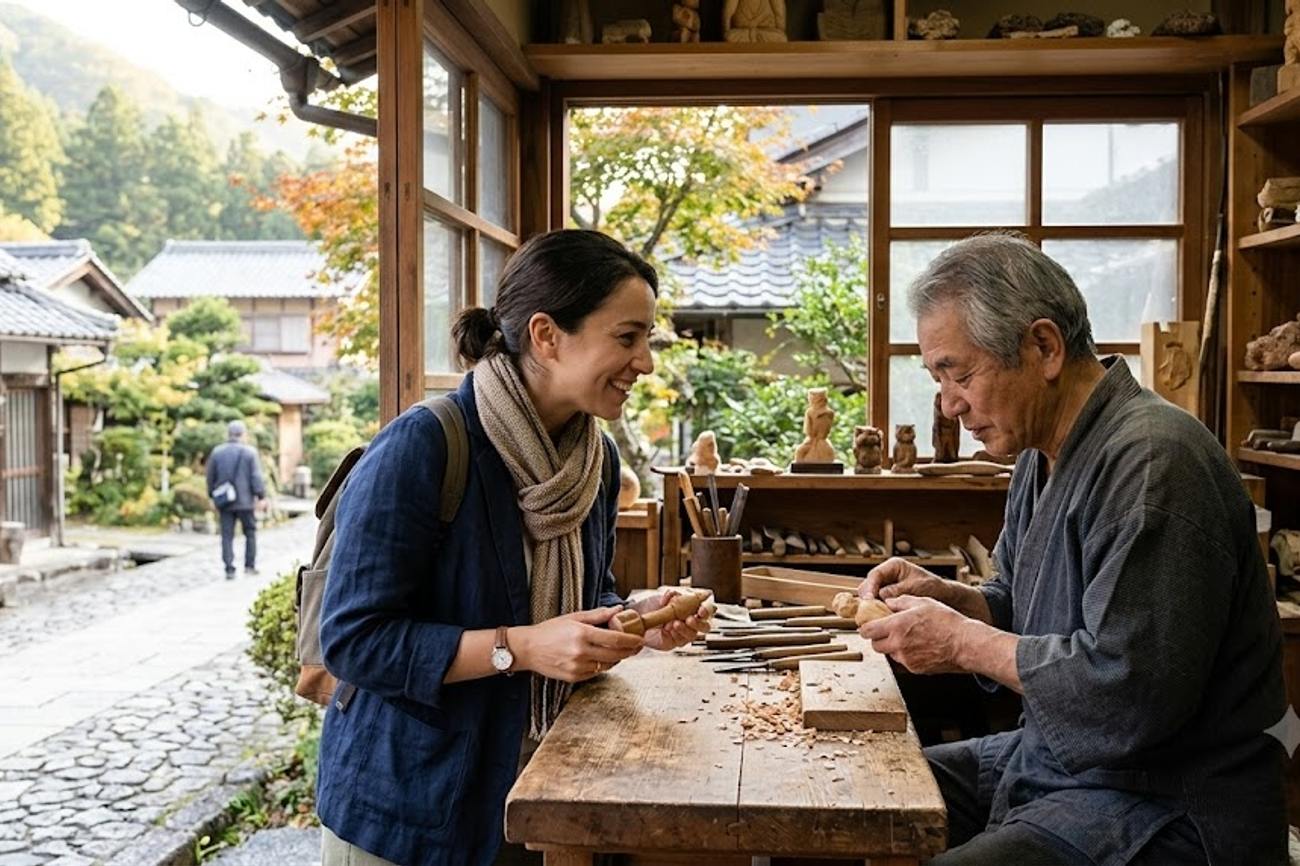
Image generated by AI
[Tokyo, October 2023] — The global tourism sector is undergoing a fundamental pivot away from standardized "cookie-cutter" itineraries toward hyper-customized, demographically targeted travel experiences. This shift marks the end of the era where landmark-centric tourism—defined by photography at famous sites—satisfied the modern traveler, who now prioritizes personal growth and challenges over passive sightseeing.
The transition is most evident in Japan, where the traditional "Golden Route" (Tokyo, Mt. Fuji, Kyoto, and Osaka) is no longer sufficient to meet the expectations of a diversifying global visitor base. Travel designers are now forced to integrate lifestyle habits, religious requirements, and physical comfort levels into the foundational architecture of every trip to prevent a collapse in customer satisfaction.
The Death of the Standardized Blueprint
The immediate cause of this industry shift is a change in traveler psychology. Modern vacationers are rejecting the assumption that a "pleasing" experience for one demographic is universally applicable to others. The demand for personalization has moved from a luxury add-on to a baseline requirement.
Industry data indicates that different cohorts—such as corporate incentive groups, senior citizens, and families with young children—require entirely different operational paces and infrastructure. Failure to account for these variables results in a dramatic drop in visitor experience quality. Conversely, meticulous attention to demographic specificities is now the primary driver for repeat visits and extended stays.
Affected Travelers, Airlines and Logistics by the Shift in Experience Design
The move toward hyper-customization impacts various stakeholders across the aviation and tourism ecosystem, particularly those operating within the Japanese market.
| Stakeholder | Primary Impact | Required Adjustment |
|---|---|---|
| First-Time Visitors | Moving beyond the "Golden Route" | Integration of regional provinces to avoid urban overcrowding. |
| Religious Travelers | Dietary and cultural restrictions | Implementation of certified Muslim-friendly and vegetarian culinary paths. |
| Senior Travelers | Physical infrastructure needs | Prioritization of accessible public transport and slower daily pacing. |
| Regional Economies | Shift in tourist traffic | Development of infrastructure to support visitors outside major hubs. |
| Tour Operators | Operational complexity | Reliance on local Destination Management Companies (DMCs). |
Practical Traveler Advisory and Strategic Insights
For the individual booking a trip, this evolution translates to a more complex but rewarding planning process. Travelers should no longer expect a "one size fits all" package.
1. Dietary Certainty: For those with strict religious or health-based dietary needs, the industry is moving toward certified culinary itineraries. Travelers can now expect verified Halal or vegan options to be integrated into the ground logistics rather than being an afterthought.
2. De-congested Sightseeing: By diversifying away from the Tokyo-Kyoto corridor, travelers will find fewer crowds and more authentic interactions. This means a shift toward "slow travel" in lesser-known Japanese provinces.
3. Increased Cost for Customization: Hyper-customization requires more manpower and specialized local knowledge. Travelers should anticipate that tailored itineraries—those including language-specific guides and private fleet logistics—will carry a premium price tag compared to group bus tours.
4. Higher Service Reliability: The increased reliance on local Destination Management Companies means that on-the-ground problem solving (such as securing rare attraction tickets or managing sudden schedule changes) is becoming more efficient.
The Strategic Role of Ground Logistics
The execution of these complex trips relies on a critical partnership between international agencies and local operators. While foreign agencies handle marketing, the Japan National Tourism Organization (JNTO) and local DMCs manage the high-stakes mechanics of the journey.
These local operators are responsible for:
- Vendor Relationships: Securing dining venues and hotels that meet specific demographic needs.
- Language Proficiency: Providing guides who can navigate the cultural nuances of both the visitor and the local community.
- Fleet Management: Coordinating private transport to reach regional areas not served by the Japan Railways (JR) network.
Without this localized infrastructure, the gap between a traveler's expectations and the reality of the destination becomes an operational failure.
The Future of Sustainable Tourism
The long-term viability of global tourism is shifting from volume-based metrics (total visitor headcount) to value-based metrics (quality of experience and spend per visitor).
Market diversification is the primary tool for sustainability. By dispersing tourist traffic away from metropolitan hubs, the industry reduces the strain on urban infrastructure and injects capital into rural economies. This prevents "overtourism" while creating a more resilient economic model for the destination country.
The future of the sector lies in the development of specialized, high-value products that target specific niches—such as wellness, spiritual growth, or professional development—rather than attempting to appeal to the mass market with a single, generic product.
FAQ: Japan Hyper-Customized Travel 2023
Is the "Golden Route" still worth visiting? Yes, but it is no longer recommended as the sole focus of a trip. To avoid overcrowding and find authentic experiences, travelers should combine Tokyo, Kyoto, and Osaka with visits to regional provinces.
How do I ensure my dietary restrictions are met in rural Japan? Request a tailored itinerary through a certified Destination Management Company (DMC). They coordinate directly with local vendors to provide certified Muslim-friendly or vegetarian meals that are often unavailable via standard bookings.
Will customized travel be more expensive than group tours? Generally, yes. Hyper-customized travel requires private logistics, specialized guides, and bespoke planning, which increases the cost compared to standardized, high-volume group packages.
What is a Destination Management Company (DMC)? A DMC is a local professional service that handles the ground logistics of a trip. They possess the local knowledge and vendor relationships necessary to execute complex, tailored itineraries that foreign agencies cannot manage remotely.
The era of the checklist vacation is over; the era of the curated journey has arrived.
Related Travel Guides
Disclaimer
This article is for informational and educational purposes only. It does not constitute legal, financial, or professional advice. While we strive to provide accurate and up-to-date information, travel policies, regulations, and conditions change rapidly. Always verify information with official sources before making travel decisions. Nomad Lawyer makes no representations about the accuracy, reliability, completeness, or suitability of the information provided. Readers should consult qualified professionals for advice specific to their circumstances. The views expressed in this article are those of the author and do not necessarily reflect the views of Nomad Lawyer.
Preeti Gunjan
Contributor & Community Manager
A passionate traveller and community builder. Preeti helps grow the Nomad Lawyer community, fostering engagement and bringing the reader experience to life.
Learn more about our team →