
Boeing's 737 MAX Crisis: How a Hidden Software Flaw Reshaped Aviation Safety Standards
Breaking airline news and aviation industry updates for 2026.

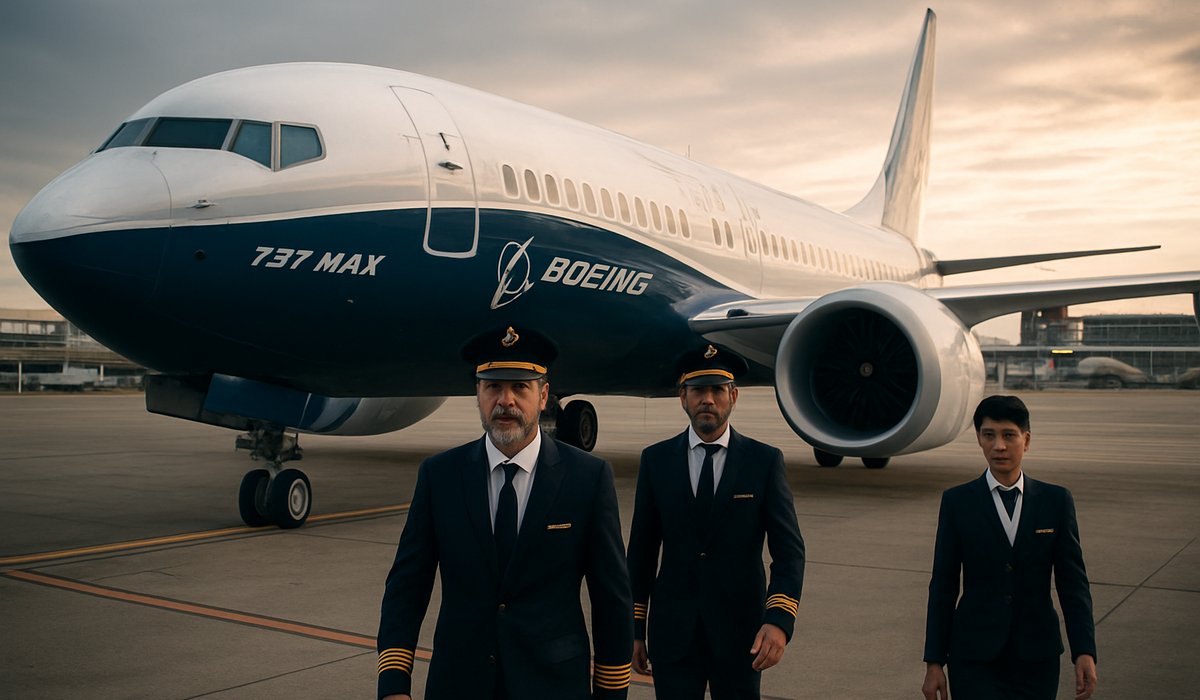
Image generated by AI
Boeing's 737 MAX Crisis: How a Hidden Software Flaw Reshaped Aviation Safety Standards
A global grounding, two catastrophic crashes, and systemic failures expose deep fractures in aircraft certification and corporate accountability
The Scandal That Shook the Industry
The aviation sector faced one of its most consequential reckoning moments when Boeing's critical concealment of the MCAS (Maneuvering Characteristics Augmentation System) software defect emerged as a central factor in two devastating crashes within months of each other. The revelation triggered an unprecedented global grounding of the 737 MAX fleet that lasted nearly two years, forcing sweeping regulatory reforms and fundamentally challenging how the world's largest aircraft manufacturer operates.
The scandal exposed not merely a technical failure, but a systemic breakdown in transparency that had allowed a potentially catastrophic design flaw to escape detection by regulators, airlines, and pilots worldwide.
Two Crashes, One Cascading Crisis
The pattern became impossible to ignore when a second 737 MAX crashed under strikingly similar circumstances. Each incident pointed toward the same culprit: the MCAS system, an automated flight control feature that Boeing had integrated into the aircraft without fully disclosing its operational parameters to pilots and aviation authorities.
The crashes—each claiming hundreds of lives—triggered immediate regulatory scrutiny. Within weeks, aviation regulators across the globe, including the U.S. Federal Aviation Administration (FAA), grounded the entire 737 MAX fleet pending a comprehensive safety investigation.
A Lengthy Reckoning
The subsequent 20-month grounding represented the aviation industry's longest and most costly aircraft suspension in modern history. During this period, investigators dissected every aspect of the MCAS design, its certification process, and Boeing's communication failures with regulators.
The investigation revealed that Boeing had possessed critical knowledge about the system's potential hazards but had not adequately communicated these risks during the certification phase. Pilots flying 737 MAX aircraft had received minimal training on MCAS functionality—some were entirely unaware the system existed until emergency situations demanded its management.
Structural Changes to Aviation Oversight
The scandal catalyzed fundamental shifts in how aircraft are certified and monitored. Regulators implemented stricter disclosure requirements, enhanced pilot training mandates, and more rigorous oversight of automated safety systems. The aviation industry collectively acknowledged that the certification process required substantial reformation to prevent similar oversights.
Boeing faced unprecedented financial penalties, criminal investigations, and a severely damaged reputation that continues to influence investor confidence and airline purchasing decisions.
Legacy and Ongoing Impact
The 737 MAX crisis serves as aviation's cautionary tale about prioritizing production timelines over transparency. It demonstrated that even the world's most established manufacturers are capable of systemic failures when profit incentives overshadow safety protocols.
FAQ: Understanding the Boeing 737 MAX Crisis
What is the MCAS system and why was it problematic? MCAS is an automated software feature designed to prevent stalls by adjusting aircraft pitch. Boeing failed to adequately disclose its existence and operation to pilots and regulators, making it impossible for flight crews to effectively manage the system during emergencies.
How long was the 737 MAX grounded? The aircraft remained globally grounded for approximately 20 months, from March 2019 until November 2020, making it aviation's longest modern grounding.
Did this scandal change aviation safety regulations? Yes. The crisis prompted stricter aircraft certification standards, enhanced pilot training requirements, and increased regulatory oversight of automated flight systems across the industry.
How many people died in the 737 MAX crashes? Two separate crashes killed a combined 346 people, making the incidents among aviation's deadliest accidents involving a single aircraft type.
What were the consequences for Boeing? Boeing faced criminal investigations, multibillion-dollar settlements, severe reputational damage, and fundamental restructuring of its safety and certification processes.
Related Travel Guides
- Fiji Airways and WestJet Form Massive Codeshare Alliance, Shielding Canadian Travelers from Transpacific Travel Chaos: Latest Airline News
- Travel Chaos Unfolds: Over 500 Flights Stranded Across New York, London, and Tokyo; Thousands of Passengers Face Delays and Cancellations
- Qatar Airways Extends Route Suspensions to 2027 Affecting Saudi Arabia Nigeria Somalia and Malta
Disclaimer
This article is for informational and educational purposes only. It does not constitute legal, financial, or professional advice. While we strive to provide accurate and up-to-date information, travel policies, regulations, and conditions change rapidly. Always verify information with official sources before making travel decisions. Nomad Lawyer makes no representations about the accuracy, reliability, completeness, or suitability of the information provided. Readers should consult qualified professionals for advice specific to their circumstances. The views expressed in this article are those of the author and do not necessarily reflect the views of Nomad Lawyer.
Preeti Gunjan
Contributor & Community Manager
A passionate traveller and community builder. Preeti helps grow the Nomad Lawyer community, fostering engagement and bringing the reader experience to life.
Learn more about our team →