
Boeing Surges Back With Strongest Start to Year in Over a Decade, Signaling Recovery Momentum
Breaking airline news and aviation industry updates for 2026.

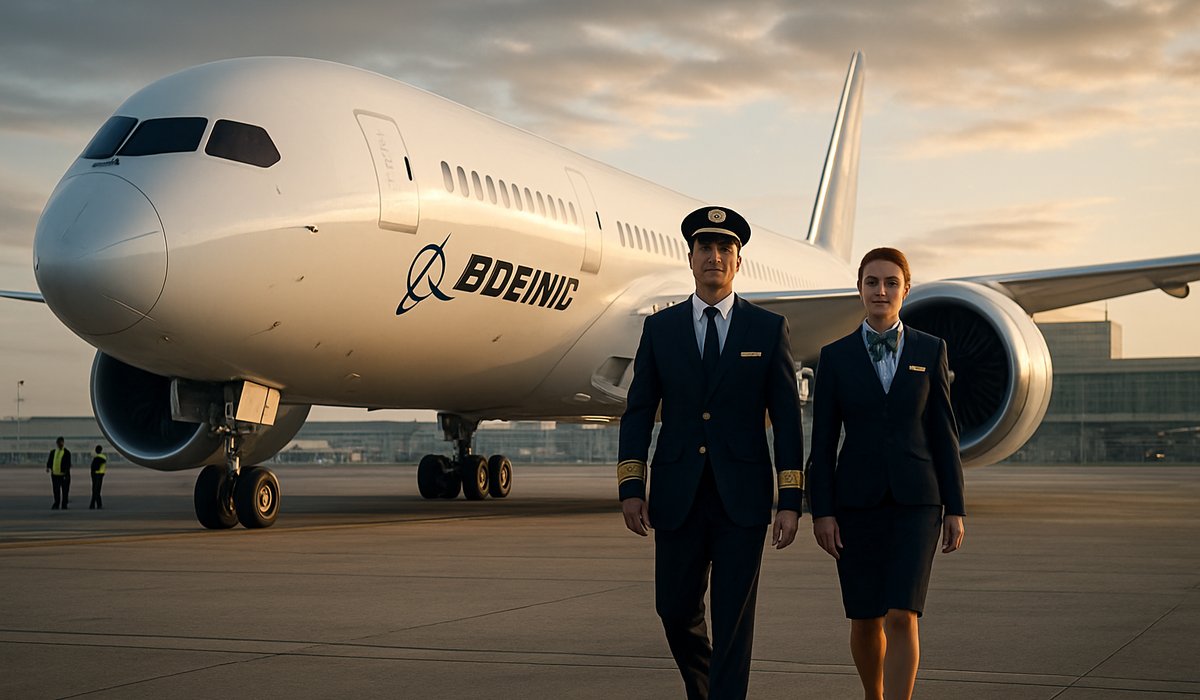
Image generated by AI
Boeing Surges Back With Strongest Start to Year in Over a Decade, Signaling Recovery Momentum
Aircraft manufacturer records 284 net orders in opening months, outdelivering rival Airbus for first time since 737 MAX crisis
Manufacturing Giant Shows Signs of Stabilization
Boeing has launched 2026 with its most robust opening quarter performance in twelve years, marking a significant milestone in the company's lengthy recovery from the 737 MAX crisis that decimated its reputation and finances. The Chicago-based aerospace manufacturer secured 284 net new aircraft orders during the first four months of the year—a striking reversal from years of production constraints and reputational damage.
The uptick extends beyond order books. Boeing achieved a critical competitive victory by delivering more commercial aircraft in the first quarter than Airbus, its European rival, for the first time since the MAX grounding began in 2019. The feat underscores improving manufacturing capabilities and renewed confidence from global carriers investing in fleet expansion.
Exiting Crisis Mode
Boeing's leadership has explicitly framed 2026 as a turning point—the year the company transitions from crisis management to market leadership reclamation. The 737 MAX crisis, which lasted nearly two years and involved multiple fatal crashes, regulatory investigations, and a crippling grounding order, cost the manufacturer tens of billions in compensation, legal settlements, and lost production.
The company's current trajectory suggests supply chain stabilization and workforce recovery are gaining traction. Airlines worldwide remain hungry for new narrow-body aircraft as travel demand rebounds post-pandemic and aging fleets require replacement.
Industry Context: Pressure From Global Competition
The resurgence comes as the aviation sector grapples with elevated jet fuel prices, persistent labor shortages, and supply chain fragmentation. Airlines continue absorbing rising operational costs through baggage charges, seat selection fees, and other ancillary revenue streams—a strategy that underscores how manufacturer stability directly impacts carrier profitability.
Airbus, despite leading overall deliveries in recent years, faces its own production challenges. Boeing's renewed competitive edge signals market conditions may finally favor manufacturing diversification and give airlines more negotiating leverage on aircraft pricing and delivery schedules.
What's Next
Boeing's leadership must sustain this momentum while managing quality control standards—the foundation of its future credibility. Investor confidence, airline partnerships, and regulatory oversight will determine whether 2026 genuinely marks the beginning of a sustained comeback or merely a temporary uptick in a longer recovery cycle.
FAQ: Boeing's Recovery and Aviation Industry Impact
Q: Why did Boeing's orders drop so dramatically after 2019? A: The 737 MAX grounding following fatal crashes devastated customer confidence. Airlines canceled orders, and regulatory approval took nearly two years, during which Boeing halted production and burned through cash reserves.
Q: How does Boeing's recovery affect airline ticket prices? A: Stable aircraft supply chains reduce manufacturer delays and costs, allowing airlines to deploy new fuel-efficient aircraft faster. However, carriers often pass savings to shareholders rather than passengers, meaning minimal direct impact on ticket fares.
Q: What does "net new orders" mean in aircraft sales? A: Net orders account for new purchases minus cancellations. Boeing's 284 net orders represent genuine demand, but the figure excludes any canceled contracts during the same period.
Q: How long until Boeing aircraft reach passengers? A: Delivery timelines typically range from 2-5 years after order confirmation, depending on aircraft type and customization. Most 2026 orders won't enter service until 2028-2030.
Q: Is Airbus losing market share to Boeing? A: Not yet. While Boeing's Q1 deliveries exceeded Airbus, the European manufacturer maintains a strong order backlog. Both companies face production capacity limitations that benefit neither competitor significantly.
Related Travel Guides
Flight Delay Compensation Guide 2026
Understanding Airline Route Changes
Airport Security Process Updated (2026)
External Resources
Disclaimer
This article is for informational and educational purposes only. It does not constitute legal, financial, or professional advice. While we strive to provide accurate and up-to-date information, travel policies, regulations, and conditions change rapidly. Always verify information with official sources before making travel decisions. Nomad Lawyer makes no representations about the accuracy, reliability, completeness, or suitability of the information provided. Readers should consult qualified professionals for advice specific to their circumstances. The views expressed in this article are those of the author and do not necessarily reflect the views of Nomad Lawyer.
Kunal K Choudhary
Co-Founder & Contributor
A passionate traveller and tech enthusiast. Kunal contributes to the vision and growth of Nomad Lawyer, bringing fresh perspectives and driving the community forward.
Learn more about our team →