
What Flight Attendants Really Want: The Passenger Behaviors That Make Airlines Run Smoother
Breaking airline news and aviation industry updates for 2026.

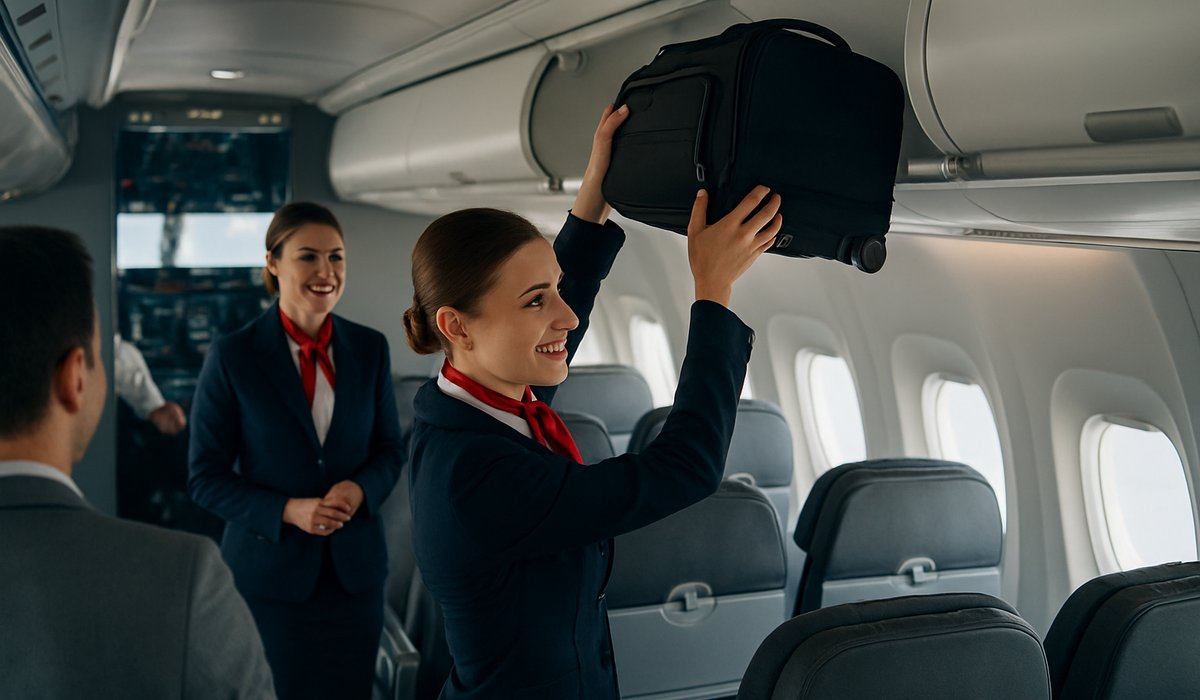
Image generated by AI
What Flight Attendants Really Want: The Passenger Behaviors That Make Airlines Run Smoother
As aviation workforces face mounting stress, industry insiders reveal the simple habits that transform cabin operations—and why your behavior matters more than ever
The Invisible Pressure on Modern Flight Crews
Flight attendants across the global aviation industry are facing unprecedented challenges. Beyond serving beverages and ensuring safety protocols, cabin crew members navigate an increasingly complex environment marked by rising passenger aggression, extended duty hours, and mounting operational pressures. Yet amid these headwinds, a simple truth persists: certain passenger behaviors can meaningfully ease the burden on frontline aviation workers and streamline flight operations for everyone aboard.
The daily reality for cabin crew is staggering in scale. Each flight welcomes hundreds of passengers, each with distinct expectations, needs, and behavioral patterns. While some travelers actively contribute to efficient cabin management, others—knowingly or not—create friction that compounds stress on already-stretched teams. Understanding what flight attendants genuinely appreciate offers insight into airline operations that extends far beyond courtesy.
The Habits That Matter Most
Industry veterans consistently highlight practical behaviors that reduce friction during flights. Proper luggage management ranks prominently: passengers who pack efficiently and stow carry-on bags correctly in overhead compartments eliminate bottlenecks during boarding and deplaning. This seemingly minor habit directly impacts turnaround times—a critical metric affecting airline schedules and crew fatigue.
Similarly, punctuality and compliance with boarding procedures streamline operations measurably. Passengers who arrive at gates on time and follow crew instructions without resistance enable airlines to maintain schedules and reduce delays that cascade across entire networks.
Respectful communication with cabin staff also proves invaluable. Attendants report that polite requests, patience during service interruptions, and understanding of safety requirements create more harmonious cabin environments—reducing incidents that increasingly strain already-stretched crew resources.
A Broader Context of Industry Strain
The emphasis on passenger cooperation reflects deeper industry challenges. The International Air Transport Association has documented rising incidents of unruly passenger behavior, correlating with increased jet fuel costs, tight crew scheduling, and post-pandemic travel demand spikes. Airlines operating on compressed margins have reduced buffer time in schedules, meaning minor disruptions ripple across operations.
Flight attendants, positioned at the intersection of safety, service, and conflict management, absorb much of this pressure. Their advocacy for passenger consideration isn't merely about comfort—it's fundamentally about operational resilience and workforce sustainability in an industry grappling with staff shortages and burnout.
The Bigger Picture
As the aviation sector continues navigating recovery and transformation, the message remains clear: passenger behavior directly influences airline efficiency, crew wellbeing, and travel reliability. Small adjustments in how travelers interact with cabin staff and follow procedures represent invisible infrastructure supporting global aviation operations.
Frequently Asked Questions
What specific carry-on behaviors do flight attendants appreciate most? Flight attendants value passengers who pack strategically, stow bags promptly in overhead bins, and avoid blocking aisles—practices that accelerate boarding and deplaning while reducing crew stress during turnaround operations.
How do passenger behaviors affect airline operations and delays? Cooperation with crew instructions, timely boarding compliance, and respectful interactions directly reduce operational friction, minimizing delays that cascade across flight networks and impact crew fatigue levels.
Why are flight attendants reporting increased stress and incidents? Compressed schedules, rising passenger aggression, extended duty hours, and operational pressures from fuel costs and demand fluctuations have intensified the demands on cabin crew workforces globally.
What role does passenger cooperation play in aviation safety? Beyond efficiency, passenger compliance with safety procedures and crew instructions ensures protocols function properly, protecting all individuals aboard and enabling attendants to focus on legitimate safety concerns.
How can travelers make flights easier for cabin crew members? Simple actions—arriving early, following boarding procedures, securing luggage properly, communicating respectfully, and maintaining patience—meaningfully ease operations and reduce stress on aviation workers managing complex, high-pressure environments.
Related Travel Guides
Flight Delay Compensation Guide 2026
Understanding Airline Route Changes
Airport Security Process Updated (2026)
External Resources
Disclaimer
This article is for informational and educational purposes only. It does not constitute legal, financial, or professional advice. While we strive to provide accurate and up-to-date information, travel policies, regulations, and conditions change rapidly. Always verify information with official sources before making travel decisions. Nomad Lawyer makes no representations about the accuracy, reliability, completeness, or suitability of the information provided. Readers should consult qualified professionals for advice specific to their circumstances. The views expressed in this article are those of the author and do not necessarily reflect the views of Nomad Lawyer.
Raushan Kumar
Founder & Lead Developer
Full-stack developer with 11+ years of experience and a passionate traveller. Raushan built Nomad Lawyer from the ground up with a vision to create the best travel and law experience on the web.
Learn more about our team →