
What Happens to Aircraft Aluminum After a Crash? Inside the Complex Recovery and Recycling Process
Breaking airline news and aviation industry updates for 2026.

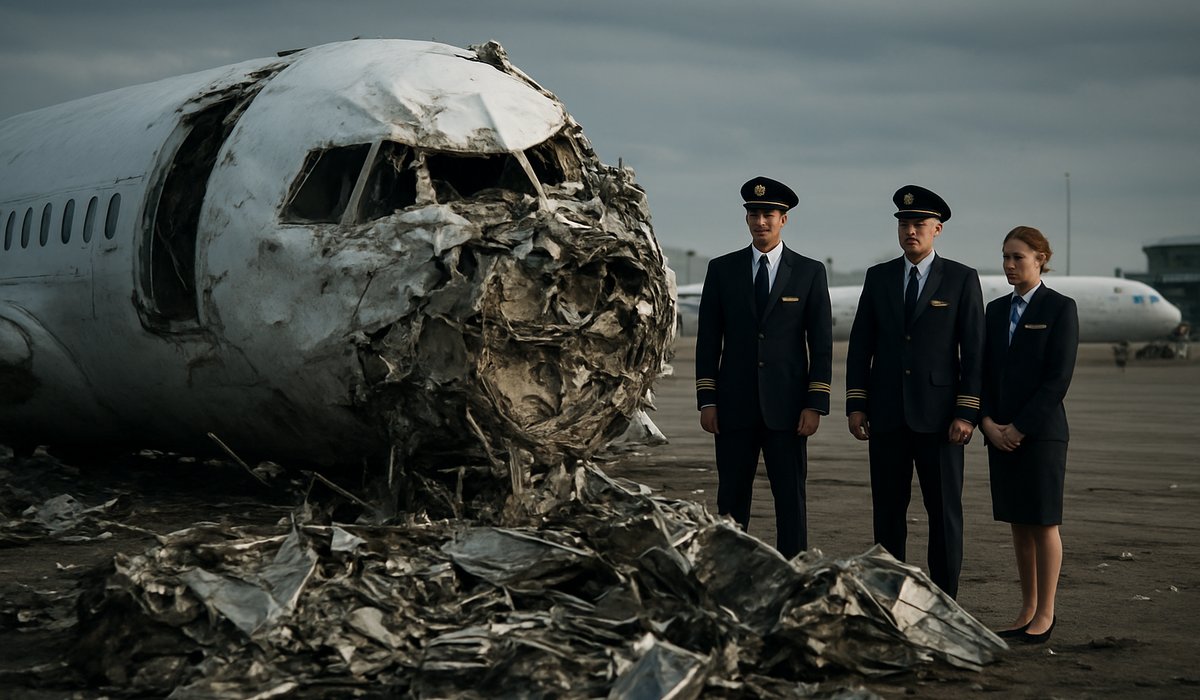
Image generated by AI
What Happens to Aircraft Aluminum After a Crash? Inside the Complex Recovery and Recycling Process
As aviation disasters capture global headlines, the technical and regulatory framework managing wreckage recovery reveals an intricate system of forensic protocols and industrial recycling
The Hidden Majority: Aluminum's Role in Modern Aviation
When a commercial aircraft meets catastrophe, forensic investigators dominate media coverage. Yet beneath the investigative spotlight lies a far less visible but equally critical process: the systematic recovery and disposition of aircraft materials—particularly aluminum, which comprises 70 to 80 percent of structural weight in narrowbody jets like the Boeing 737 and Airbus A320, according to research from the National Academies of Sciences.
This substantial proportion of aircraft construction creates a complex recycling challenge that extends well beyond the initial crash site cordoning and wreckage documentation.
From Crash Site to Secure Facility: A Regulated Journey
The aluminum recovered from commercial aircraft wreckage doesn't simply move to the nearest scrapyard. Instead, the material undergoes a highly controlled chain of custody process governed by international aviation safety protocols and national regulations.
Once investigators complete their forensic examination of crash debris, segregated aluminum components—fuselage sections, wing assemblies, structural frames—transition from evidence collection to material recovery operations. This handoff requires specialized handling procedures that maintain strict documentation to ensure nothing compromised by the incident re-enters civilian aviation systems.
Industrial Smelting: The Final Destination
The journey culminates at industrial smelting facilities equipped to process aerospace-grade aluminum. These refineries possess the technical capacity to separate contaminated material, eliminate composite residues, and transform degraded structures into raw metal suitable for downstream industrial applications—typically construction materials, automotive components, or consumer goods manufacturing rather than aerospace reuse.
The recycling process itself demands precision. Contamination from jet fuel, hydraulic fluid, fire damage, and environmental exposure necessitates rigorous metallurgical analysis before material re-enters production streams.
Industry-Wide Implications
This recovery infrastructure represents a significant but underappreciated dimension of aviation's environmental footprint and operational costs. While manufacturers invest billions in aircraft development, the end-of-life and post-incident management of materials involves equally sophisticated technical ecosystems.
For airlines and manufacturers, understanding wreckage disposition protocols carries insurance and regulatory implications. For environmental initiatives, aluminum recycling from decommissioned and damaged aircraft represents a meaningful source of secondary material, reducing energy-intensive primary aluminum extraction requirements.
FAQ: Common Questions About Aircraft Wreckage and Aluminum Recovery
Q: Can aluminum from crashed aircraft be used to build new planes? A: No. Post-crash aluminum undergoes contamination and structural degradation that makes it unsuitable for aerospace applications. Recycled material is redirected toward construction, automotive, and consumer manufacturing sectors.
Q: Who determines what happens to wreckage after an investigation concludes? A: Aviation authorities and national crash investigation boards manage the transition from forensic examination to material recovery, following strict regulatory protocols specific to each jurisdiction.
Q: How long does the wreckage recovery and recycling process take? A: Timelines vary significantly based on crash complexity, investigation scope, and facility capacity—typically ranging from months to several years for complete disposition.
Q: Does aircraft aluminum recycling contribute meaningfully to global aluminum supply? A: While individual incidents provide limited material volume, the systematic recycling of end-of-life aircraft and incident debris represents a measurable secondary source reducing primary mining demands.
Q: Are there environmental benefits to recovering and recycling crash aluminum? A: Yes. Recycling aluminum consumes approximately 95% less energy than primary extraction, making post-incident recovery an environmentally significant practice despite modest volumes per incident.
Related Travel Guides
Flight Delay Compensation Guide 2026
Understanding Airline Route Changes
Airport Security Process Updated (2026)
External Resources
Disclaimer
This article is for informational and educational purposes only. It does not constitute legal, financial, or professional advice. While we strive to provide accurate and up-to-date information, travel policies, regulations, and conditions change rapidly. Always verify information with official sources before making travel decisions. Nomad Lawyer makes no representations about the accuracy, reliability, completeness, or suitability of the information provided. Readers should consult qualified professionals for advice specific to their circumstances. The views expressed in this article are those of the author and do not necessarily reflect the views of Nomad Lawyer.
Preeti Gunjan
Contributor & Community Manager
A passionate traveller and community builder. Preeti helps grow the Nomad Lawyer community, fostering engagement and bringing the reader experience to life.
Learn more about our team →