
Beyond the Casinos: Exploring Atlantic City's Historic Landmarks and Coastal Trends in 2026
Atlantic City is pivoting from a gambling hub to a diverse cultural destination, blending its 1870s heritage with modern luxury and eco-conscious coastal tourism.

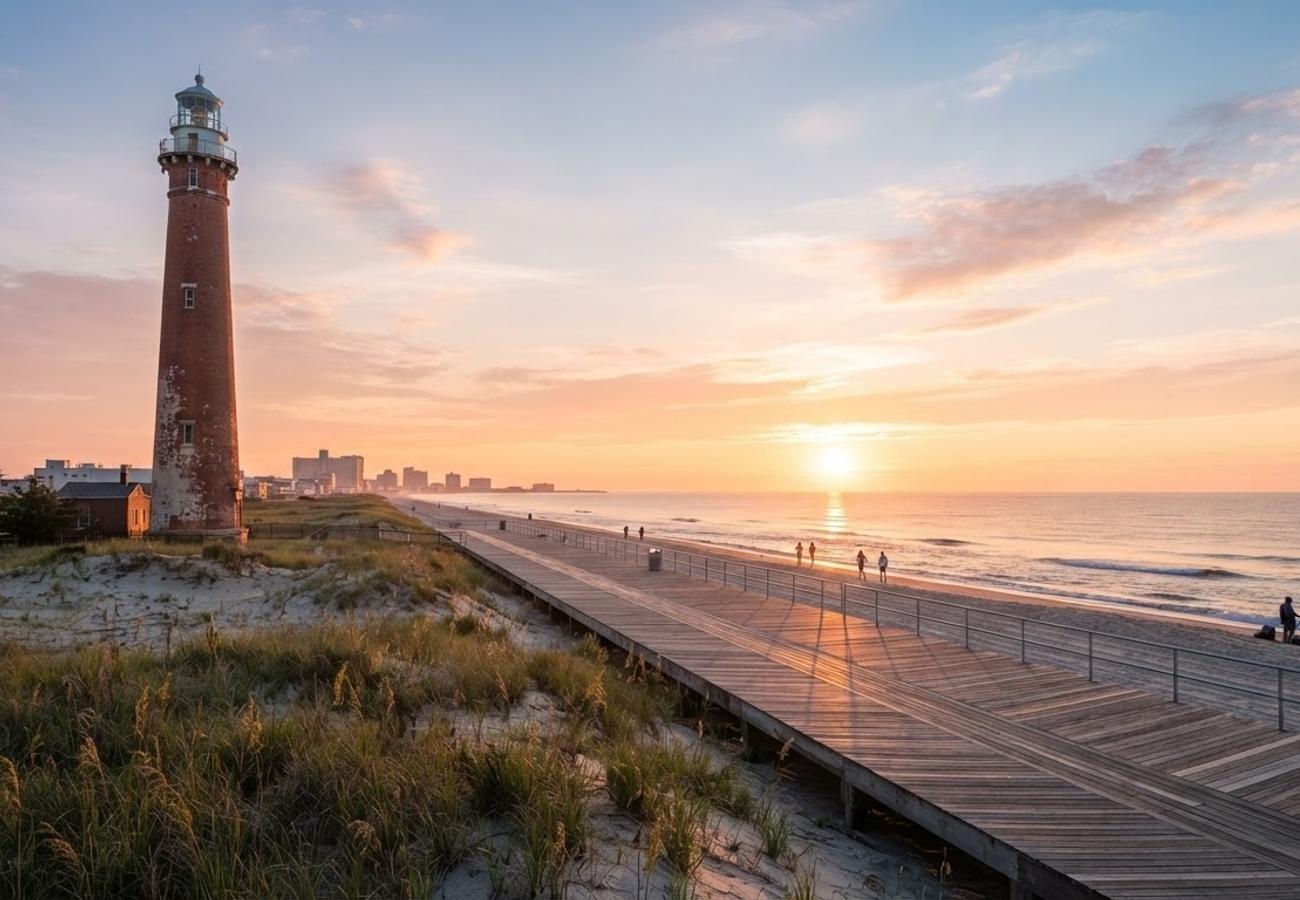
Image generated by AI
Atlantic City is shedding its singular identity as a gaming hub, emerging in 2026 as a multifaceted destination where 19th-century maritime history meets modern luxury. From the 171-foot Absecon Lighthouse to the historic 1870 boardwalk, the city is attracting a new wave of cultural tourists seeking more than just the casino floor.
The Local Trend: The "Slow Coast" Movement
There is a visible shift in how visitors engage with Atlantic City. While the high-energy atmosphere of the casino district remains, a "slow coast" trend is taking hold. Travelers are increasingly bypassing the gaming tables in favor of sunrise walks, architectural tours, and maritime exploration. This evolution reflects a broader movement toward mindful travel, where the goal is to experience the authentic rhythm of a seaside town rather than the artificial intensity of a resort.
For the modern visitor, the real impact is the accessibility of these experiences. The city's layout allows for a seamless transition from the high-tech luxury of the Borgata or Hard Rock Hotel & Casino to the quiet, salt-aired solitude of the beachfront. This contrast defines the 2026 Atlantic City experience: the ability to pivot from a world-class concert at Boardwalk Hall to a reflective climb up a historic lighthouse within a single afternoon.
Cultural & Environmental Value
The preservation of Atlantic City's landmarks provides critical information gain for the visitor. The Atlantic City Boardwalk, established in 1870, is not merely a shopping strip but one of America's most significant seaside architectural achievements. By prioritizing the boardwalk's history, the city supports the regional heritage of New Jersey's coast.
Similarly, the Absecon Lighthouse serves as a cornerstone of maritime conservation. First illuminated in 1857, this 171-foot structure requires visitors to climb 228 steps to reach the observation deck. This physical engagement with the site fosters a deeper appreciation for the navigation challenges of the 19th century and the environmental volatility of the Atlantic coastline.
The shift toward family-centric hubs like Steel Pier—which has operated since 1898—demonstrates a commitment to sustainable, multi-generational tourism. By diversifying attractions, the city reduces the economic reliance on gambling and distributes tourist spending across local museums, historic sites, and small-scale vendors.
Visitor Insider Tips
To experience Atlantic City beyond the tourist traps, follow these local strategies:
- The Golden Hour Window: Avoid the midday crowds on the Boardwalk. The most authentic experience occurs at sunrise; this is when local fishermen and joggers claim the space, offering a serene atmosphere before the commercial noise begins.
- Lighthouse Logistics: Visit the Absecon Lighthouse on a weekday morning. The climb is strenuous, and the museum exhibits are far more enjoyable without the weekend queues.
- Dining Beyond the Resorts: While the casino resorts offer upscale dining, seek out the smaller seafood shacks along the periphery of the beachfront for authentic Jersey Shore flavors.
- Transportation Hack: Parking near the Boardwalk is notoriously difficult during peak summer months and major events. To avoid surge pricing from rideshares after a Boardwalk Hall event, pre-arrange private transport from Atlantic City International, Philadelphia International, or Newark Liberty International airports.
Tourism Outlook
The long-term trajectory for Atlantic City is one of diversification. By leaning into its identity as a historical seaside resort, the city is insulating itself against the volatility of the gaming industry. The integration of cultural landmarks with modern entertainment venues suggests a future where Atlantic City is viewed as a comprehensive East Coast getaway rather than a niche gambling destination. The focus on maritime history and coastal preservation will likely attract a more sustainable, higher-spending demographic of cultural travelers.
Atlantic City is no longer just a place to bet; it is a place to discover the enduring spirit of the American coast.
Related Travel Guides
Disclaimer
This article is for informational and educational purposes only. It does not constitute legal, financial, or professional advice. While we strive to provide accurate and up-to-date information, travel policies, regulations, and conditions change rapidly. Always verify information with official sources before making travel decisions. Nomad Lawyer makes no representations about the accuracy, reliability, completeness, or suitability of the information provided. Readers should consult qualified professionals for advice specific to their circumstances. The views expressed in this article are those of the author and do not necessarily reflect the views of Nomad Lawyer.
Raushan Kumar
Founder & Lead Developer
Full-stack developer with 11+ years of experience and a passionate traveller. Raushan built Nomad Lawyer from the ground up with a vision to create the best travel and law experience on the web.
Learn more about our team →