
B-2 Spirit Stealth Bomber's Low-Observable Coating Technology Explained
The B-2 Spirit stealth bomber's revolutionary low-observable coating technology makes it invisible to ground-based radar systems. Discover how Northrop Grumman's 5th-generation bomber achieves radar evasion in 2026.

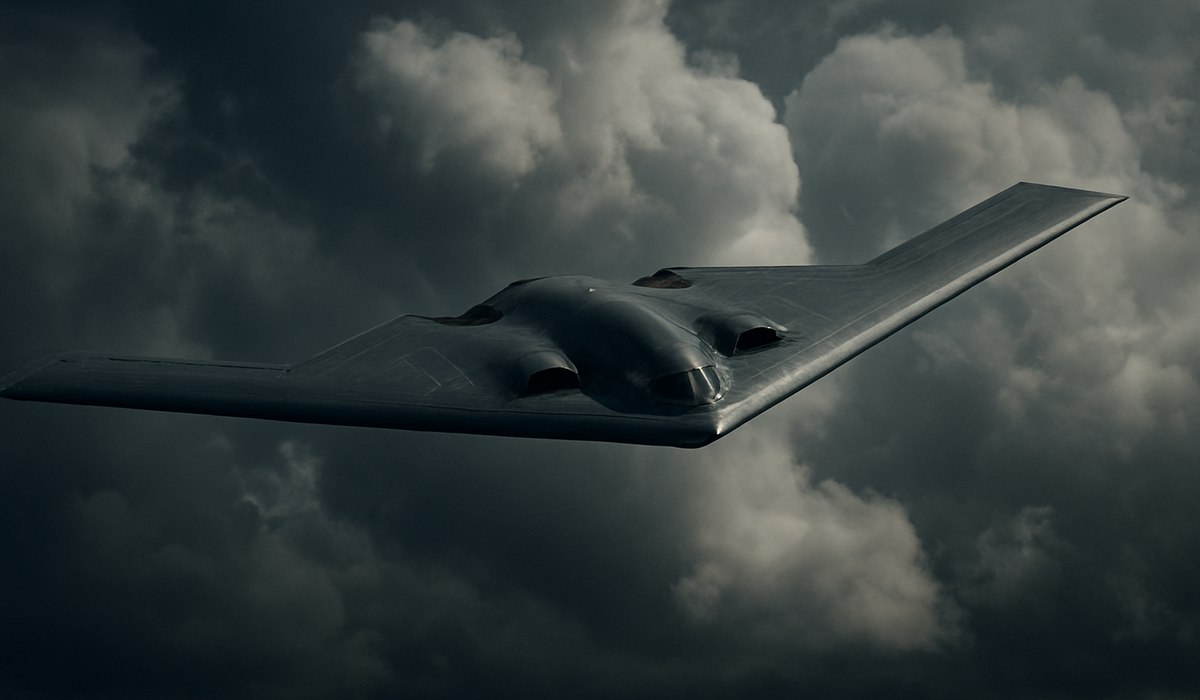
Image generated by AI
The Revolutionary B-2 Spirit Stealth Bomber and Its Low-Observable Coating
The B-2 Spirit stealth bomber represents a watershed moment in modern aviation history. Developed by Northrop Grumman, this fifth-generation strategic bomber became the world's first true stealth platform capable of penetrating advanced air defense systems undetected. The aircraft's most distinctive feature—its low-observable coating technology—fundamentally transformed how military aviation approaches radar evasion. This specialized coating allows the B-2 to operate in hostile airspace while remaining virtually invisible to ground-based radar detection systems, making it one of the most technologically advanced aircraft ever built.
What Is Low-Observable Coating Technology?
Low-observable coating represents a paradigm shift in aerospace materials science. This specialized surface treatment absorbs and disperses radar waves rather than reflecting them back to detection systems. The B-2 Spirit's coating consists of multiple layers of radar-absorbing materials carefully engineered to eliminate radar signatures across multiple frequency bands.
The technology works through both geometric design and material composition. The aircraft's flying wing configuration itself minimizes radar reflections, while the low-observable coating amplifies this stealth capability. Engineers at Northrop Grumman developed proprietary coatings that remain classified to this day, representing decades of research and development. These materials must withstand extreme conditions including high-altitude flight, temperature variations, and regular maintenance operations. The coating's effectiveness depends on precise application and continuous inspection, making B-2 maintenance among the most rigorous in military aviation.
How The B-2 Spirit Evades Radar Detection
The B-2 Spirit stealth bomber employs multiple mechanisms to defeat radar systems. The aircraft's distinctive flying wing design minimizes radar cross-section from all angles. Combined with its low-observable coating, this creates an extraordinarily small radar signature—comparable to a large bird rather than a multi-ton aircraft.
Radar evasion occurs through absorption and deflection. The coating absorbs incoming radar energy, converting it to harmless heat rather than reflecting signals back to receivers. The aircraft's angular surfaces and serrated trailing edges further disrupt radar wave propagation. Modern air defense systems emit radar at various frequencies, so the coating must function across a broad spectrum. The B-2's design addresses this through adaptive coating formulations and geometric optimization. Additionally, the aircraft operates at high altitudes where ground-based radar systems struggle with coverage. Its speed and altitude capabilities provide tactical advantages even if radar detection occurs. This multi-layered approach to radar evasion makes the B-2 nearly impossible to track using conventional air defense infrastructure.
The Evolution of Stealth Bomber Design
Stealth technology evolved gradually throughout the Cold War. The F-117 Nighthawk preceded the B-2, proving that stealth platforms could operate effectively in contested airspace. However, the B-2 represented a dramatic leap forward in capability and sophistication. Northrop Grumman incorporated lessons learned from the F-117 while addressing requirements for a larger, longer-range strategic bomber.
The low-observable coating represents the culmination of decades of classified research. Engineers conducted countless tests to perfect materials that could maintain their radar-absorbing properties throughout extended service life. The coating's development required breakthroughs in materials science, aerodynamics, and systems integration. Early stealth platforms required frequent maintenance and careful operational planning. The B-2 improved upon this through more durable coatings and less demanding maintenance schedules. Modern updates continue to enhance the coating's performance against emerging radar technologies, ensuring the B-2 remains relevant against contemporary threats well into the twenty-first century.
Impact on Modern Military Aviation
The B-2 Spirit's low-observable coating technology revolutionized military aviation doctrine. Subsequent aircraft designs, including modern fighters and transport platforms, incorporate stealth principles pioneered by the B-2. The coating technology influenced commercial aviation safety systems and materials research across the aerospace industry.
The B-2's success demonstrated that large strategic aircraft could achieve stealth characteristics previously thought impossible. This enabled development of other advanced platforms utilizing similar coating technologies. The expertise gained from B-2 development supported creation of new generation stealth systems for various military branches. International militaries recognized stealth's importance and pursued their own low-observable programs. The B-2 effectively established stealth as the gold standard for modern military aviation, influencing procurement strategies and design philosophies worldwide. Training pilots to operate advanced stealth platforms required new doctrines and operational procedures, fundamentally changing how air forces conduct strategic operations.
Critical Facts About B-2 Spirit Stealth Technology
| Feature | Specification |
|---|---|
| Manufacturer | Northrop Grumman |
| Classification | 5th-Generation Strategic Stealth Bomber |
| Primary Technology | Low-Observable Coating System |
| Radar Cross-Section | Classified (estimated under 0.1 square meters) |
| Operational Altitude | 50,000+ feet |
| Combat Range | 8,000+ nautical miles |
| First Flight | July 1989 |
| Operational Service | April 1997 |
| Active Fleet Size | 21 aircraft (as of 2026) |
| Coating Maintenance | Requires specialized facilities and frequent inspection |
| Detection Capability | Invisible to most ground-based radar systems |
| Development Cost | Approximately $44 billion (1997 dollars) |
What This Means for Travelers
While the B-2 Spirit's stealth technology serves military purposes, aviation enthusiasts and technology-focused travelers should understand these innovations. Commercial aviation benefits from materials research and safety technologies developed through stealth programs.
Traveler Action Checklist:
- Research military aviation history museums offering B-2 exhibits and stealth technology displays
- Book tours at aerospace facilities explaining advanced coating technologies and aircraft design
- Follow aviation technology news through specialized publications covering defense innovations
- Visit aerospace museums displaying stealth-related artifacts and engineering documentation
- Attend aviation conferences featuring presentations on modern aircraft design principles
- Subscribe to military history channels providing insights into strategic bomber development
- Plan visits to air force bases offering public tours and aircraft demonstrations
- Explore aerospace engineering programs at universities developing next-generation materials
Frequently Asked Questions
What exactly is low-observable coating and how does it work? Low-observable coating consists of radar-absorbing materials that convert incoming radar waves into heat rather than reflecting them back to detection systems. The B-2 Spirit stealth bomber utilizes specialized proprietary coatings, combined with geometric design, to minimize radar signatures across multiple frequency bands.
How invisible is the B-2 Spirit to radar? The B-2's radar cross-section is classified but estimated to be smaller than a large bird. Its low-observable coating combined with flying wing design makes it nearly undetectable to conventional ground-based radar systems, though modern active electronically scanned array radars present emerging challenges.
How often does the B-2 coating require maintenance? The B-2 Spirit's coating demands rigorous maintenance schedules far exceeding conventional aircraft. Specialized facilities and trained personnel inspect and repair coating damage regularly. This demanding maintenance requirement significantly impacts operational costs and deployment scheduling.
Can radar evasion technology be defeated? Modern radar systems, particularly active electronically scanned arrays and multi-frequency systems, can potentially detect stealth aircraft under certain conditions. The B-2 continues receiving coating upgrades to address emerging detection technologies and maintain its strategic advantage.
Related Travel Guides
Disclaimer
This article is for informational and educational purposes only. It does not constitute legal, financial, or professional advice. While we strive to provide accurate and up-to-date information, travel policies, regulations, and conditions change rapidly. Always verify information with official sources before making travel decisions. Nomad Lawyer makes no representations about the accuracy, reliability, completeness, or suitability of the information provided. Readers should consult qualified professionals for advice specific to their circumstances. The views expressed in this article are those of the author and do not necessarily reflect the views of Nomad Lawyer.
Kunal K Choudhary
Co-Founder & Contributor
A passionate traveller and tech enthusiast. Kunal contributes to the vision and growth of Nomad Lawyer, bringing fresh perspectives and driving the community forward.
Learn more about our team →