
Australia Unveils Tough Visa Crackdown as Overstaying Tourists Face Detention Under New Migration Rules
Australia Unveils Tough Visa Crackdown as Overstaying Tourists Face Detention Under New Migration Rules

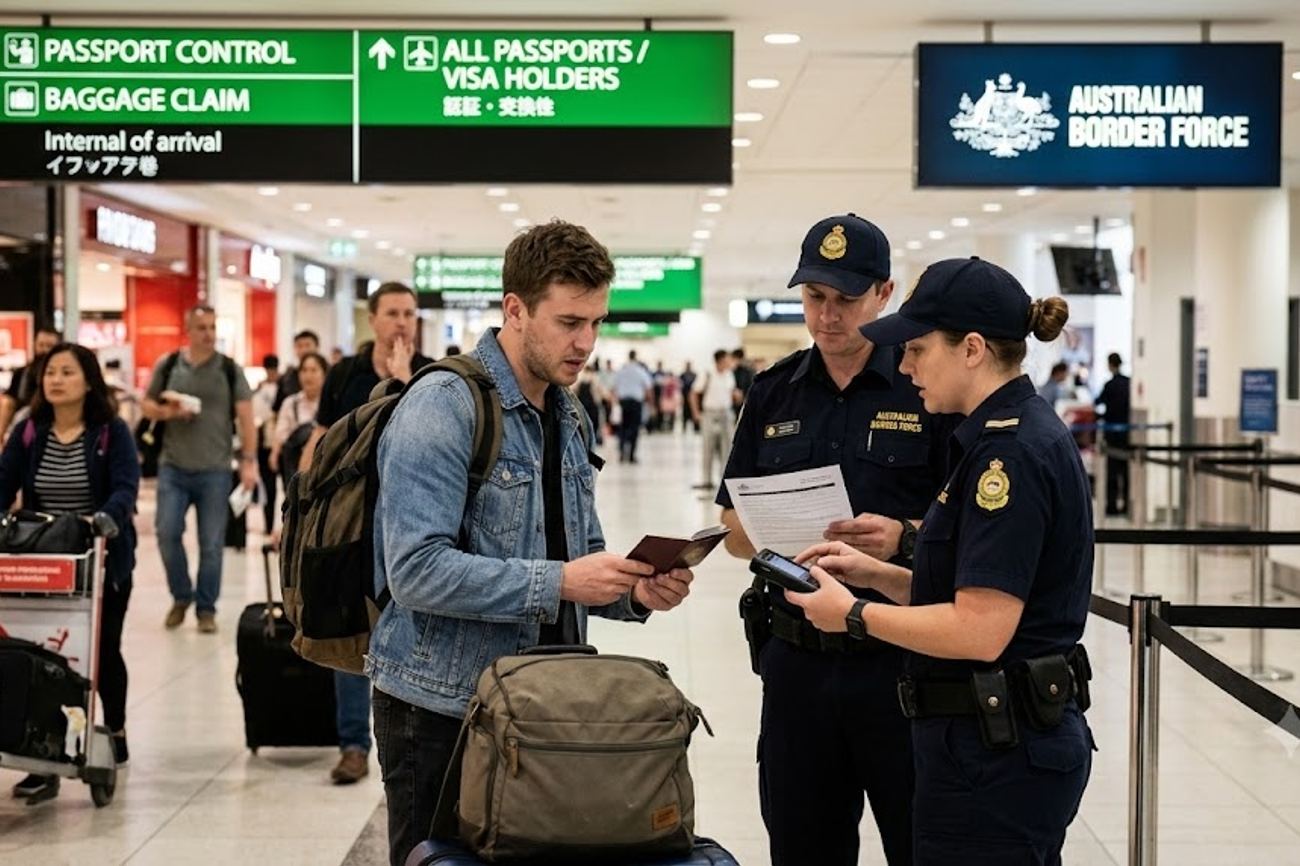
Image generated by AI
[Canberra, October 2024] — Australia is implementing aggressive new immigration enforcement measures that include the potential detention of tourists who overstay their visas. The government has announced a strategic crackdown to curb a rising tide of visa breaches, warning that any individual remaining in the country without legal authorization faces mandatory removal.
The reforms target a growing population of undocumented visitors, which officials report has reached approximately 77,000 people. This surge in overstayers has placed unsustainable pressure on the national immigration infrastructure, prompting the government to shift toward a high-deterrence model. The measures are part of a broader migration framework review designed to address domestic concerns regarding population growth, housing shortages, and border security.
The Catalyst for Enforcement
The immediate trigger for these reforms is the failure of current monitoring systems to prevent a significant increase in visa non-compliance. With 77,000 individuals currently overstaying their permitted duration of stay, the Australian Department of Home Affairs is pivoting toward punitive measures to discourage future breaches.
Government officials have explicitly denied that these changes are a reaction to anti-migration political movements. Instead, they maintain that the priority is the "integrity of the visa system." To support this shift, the government is expanding its operational capacity by hiring additional immigration officers and increasing the physical capacity of detention facilities. This expansion ensures that the state has the infrastructure to house and process individuals who no longer hold legal status before their deportation.
Targeted Visa Categories and Impacts
While the primary focus is on tourist overstayers, the government is simultaneously tightening rules across several other temporary migration pathways. The following groups are directly impacted by the new reforms:
- International Tourists: Visitors who exceed their visa expiration dates now face a heightened risk of being swept into immigration detention centers rather than being granted simple departure windows.
- International Students: The government is restricting the ability of students to bring family members into Australia, aiming to lower the overall migration volume linked to the education sector.
- Working Holiday Applicants: A new ballot system is being introduced for certain working holiday visas. This move transitions the process from a first-come-first-served or eligibility-based model to a controlled lottery to manage high demand.
- Temporary Workers: Increased scrutiny on visa conditions is being applied to ensure labor shortages are filled without creating permanent undocumented populations.
Practical Traveler Advisory and Strategic Insights
For the average traveler, these changes translate to a zero-tolerance environment regarding visa expiration dates. Previously, minor overstays might have been handled with administrative fines or simple requests to depart. Under the new regime, the risk profile for an overstay has shifted from a civil administrative issue to a potential detention scenario.
Passenger Impact Assessment:
- Strict Deadline Adherence: Travelers must monitor their visa expiry dates with absolute precision. There is no indication that "grace periods" will be honored.
- Increased Documentation Checks: Expect more rigorous compliance checks during your stay and upon departure.
- Student Planning: Those applying for student visas must now account for the fact that dependents may be barred from accompanying them, fundamentally changing the cost and logistics of studying in Australia.
- Working Holiday Uncertainty: Applicants can no longer guarantee a visa simply by meeting criteria; they must now navigate a ballot system, meaning travel plans should not be finalized until a ballot win is confirmed.
The Australian government is intensifying enforcement to curb visa overstays, emphasizing that visitors must strictly adhere to the conditions of their stay to avoid detention. Travelers are encouraged to verify their specific visa expiry dates and obligations via the Australian Department of Home Affairs to ensure full legal compliance.
Economic and Humanitarian Friction
The government's hardline stance has created a rift between border security goals and the interests of the Tourism Australia sector. Industry representatives argue that the threat of detention for tourists damages the nation's global brand as a welcoming destination. Because the national economy relies heavily on the spending and employment generated by millions of international visitors, tourism operators fear that "aggressive messaging" regarding enforcement could drive travelers toward competing destinations in the Asia-Pacific region.
Simultaneously, legal and human rights organizations are challenging the ethics of using detention for non-criminal visa overstayers. Critics point to Australia's history of scrutiny over detention center conditions, specifically citing inadequate healthcare access, poor staffing levels, and excessive detention durations. These advocacy groups are demanding greater transparency and independent oversight to ensure that the pursuit of "visa integrity" does not lead to humanitarian abuses.
The Path Forward
The Australian government is now in the process of scaling up its detention facilities and staffing levels to match the new enforcement mandate. The immediate timeline involves the rollout of the student visa restrictions and the implementation of the working holiday ballot system.
The long-term success of these measures will be judged by whether the number of overstayers drops below the 77,000 mark without causing a significant dip in international arrivals. The government continues to balance the economic necessity of international students and tourists against the political pressure to control infrastructure capacity and housing.
FAQ: Australia Visa Compliance 2024
What happens if I accidentally overstay my Australian tourist visa? You are now at a significantly higher risk of being detained in an immigration facility. The government has shifted toward a deterrence model, meaning overstayers may be held in detention until their removal from the country is coordinated.
Can I still bring my children or spouse on a student visa? The government is restricting family members accompanying international students to reduce overall migration numbers. You must check the specific current restrictions for your visa subclass via the official government portal.
How does the new Working Holiday ballot system work? Instead of automatic approval based on eligibility, applicants for certain working holiday visas must now enter a lottery. This allows the government to cap the number of temporary workers entering the country.
Will these changes affect my ability to enter Australia for a short vacation? If you comply with your visa conditions and depart before your visa expires, your travel remains unaffected. The crackdown specifically targets those who breach the conditions of their stay.
Border integrity now takes precedence over visitor hospitality.
Related Travel Guides
- Panama Travel Boom: Underrated Central American Gem Attracts Global Adventure Seekers
- Philippines and Vietnam Enter a New Golden Era After 50 Years With Bigger Tourism, Trade and Economic Growth Plans
- American Airlines Joins United and More to Expand Managua Air Access as Nicaragua Targets Stronger Tourism Growth: All You Need to Know
Disclaimer
This article is for informational and educational purposes only. It does not constitute legal, financial, or professional advice. While we strive to provide accurate and up-to-date information, travel policies, regulations, and conditions change rapidly. Always verify information with official sources before making travel decisions. Nomad Lawyer makes no representations about the accuracy, reliability, completeness, or suitability of the information provided. Readers should consult qualified professionals for advice specific to their circumstances. The views expressed in this article are those of the author and do not necessarily reflect the views of Nomad Lawyer.
Raushan Kumar
Founder & Lead Developer
Full-stack developer with 11+ years of experience and a passionate traveller. Raushan built Nomad Lawyer from the ground up with a vision to create the best travel and law experience on the web.
Learn more about our team →