
Dubai Upgrades Oud Maitha Road With Major Travel Infrastructure Project To Cut Journeys And Boost City Connectivity
Dubai Upgrades Oud Maitha Road With Major Travel Infrastructure Project To Cut Journeys And Boost City Connectivity

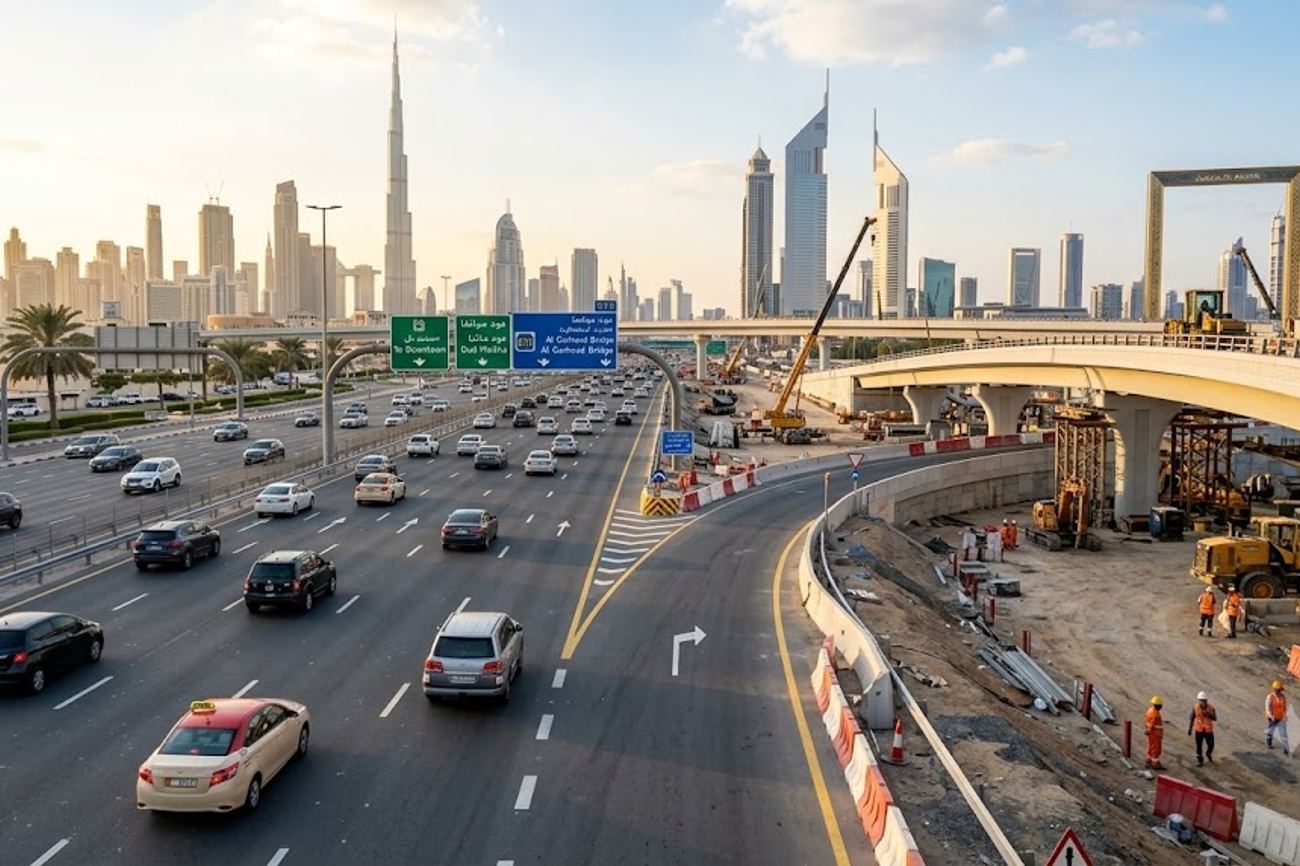
Image generated by AI
A 75% reduction in average travel time—dropping from 20 minutes to just five minutes—is the primary benchmark for Dubai’s latest infrastructure overhaul. This aggressive contraction of transit time within the Sheikh Rashid Corridor signals a strategic pivot by the city to eliminate the "last-mile" friction that often plagues high-density tourism hubs. By targeting the Oud Maitha Road and Al Asayel Street axis, the Dubai Roads and Transport Authority (RTA) is not merely widening roads but re-engineering the flow of a city that serves as a global transit nexus.
The Sheikh Rashid Corridor Strategic Overhaul
Dubai's growth trajectory has historically outpaced its internal road capacities, creating bottlenecks in central districts that connect residential zones with high-traffic commercial and tourism sectors. The Oud Maitha Road and Al Asayel Street Improvement Project is a surgical intervention designed to decouple local traffic from regional transit. By focusing on the intersection of Zabeel, Al Jaddaf, Oud Maitha, Umm Hurair, Latifa Hospital, and Al Wasl Club, the RTA is securing the mobility of an area that will support more than 420,000 residents by 2030.
For the nomadic professional or the high-net-worth traveler, these areas represent the connective tissue between the old city's charm and the new city's luxury. The project addresses the systemic failure of traditional intersections, replacing them with a multi-layered system of bridges and tunnels. This shift toward grade-separated junctions ensures that a surge in tourist arrivals at Dubai International Airport does not paralyze the internal movements of those staying in central hotels or attending conferences in the business districts.
Infrastructure Metrics and Capacity Expansion
The scale of the project is defined by a massive investment in physical structures designed to move vehicles without the interruption of signalized stops. The project encompasses 14 kilometers of road upgrades and 4.3 kilometers of combined bridge and tunnel works. The most significant metric for logistics providers and transport operators is the jump in hourly vehicle throughput.
The following table breaks down the capacity increases and specific structural additions:
| Infrastructure Element | Technical Specification | Capacity/Impact |
|---|---|---|
| Total Corridor Capacity | Hourly Vehicle Flow | 10,400 $\rightarrow$ 15,600 vehicles/hr |
| Al Khail Road to Al Asayel Bridge | 3-Lane Structure | 3,600 vehicles per hour |
| Al Asayel to Al Wasl Club Bridge | 2-Lane Structure | 2,400 vehicles per hour |
| Tunnel Network | 2 Dedicated Tunnels | Reduced overlapping movements |
| Total Road Upgrades | Linear Distance | 14 Kilometers |
| Bridge/Tunnel Work | Linear Distance | 4.3 Kilometers |
The inclusion of two specific tunnels is a critical engineering choice. The first links the Oud Maitha Street service road to the Sheikh Rashid Road intersection for those heading toward Bur Dubai. The second facilitates a seamless transition from the Dubai–Al Ain Road toward Al Wasl Club Street. By removing these left-turn conflicts and overlapping flows, the RTA is effectively eliminating the primary causes of "phantom" traffic jams that typically delay airport transfers and tourism shuttles.
Expert Analysis: The Logistics of Tourism Mobility
From a senior editorial perspective, this project is less about "road work" and more about "yield management" for the city's tourism product. In the aviation and travel industry, we track the "door-to-door" experience. A traveler may fly on a state-of-the-art aircraft, but if the transit from the terminal to the hotel takes an hour due to congestion in the Sheikh Rashid Corridor, the perceived value of the journey drops.
For travelers booking routes through central Dubai, the direct consequence of this project is a drastic increase in schedule reliability. When travel times drop from 20 minutes to five, the "buffer time" required for airport departures can be reduced. This creates a ripple effect: hotel shuttle services can increase their daily rotations, and ride-sharing platforms can optimize driver allocation, potentially lowering the cost of on-demand transport due to increased vehicle availability.
The 50% increase in traffic handling capability (from 10,400 to 15,600 vehicles per hour) is a hedge against the volatility of peak tourism seasons. During major global events or holiday surges, the ability to absorb an extra 5,200 vehicles per hour prevents the gridlock that often leads to missed flights and negative visitor sentiment. By investing in this capacity now, Dubai is ensuring that its physical infrastructure can scale alongside its ambitious tourism targets. The pricing pressure this creates is shifted away from the traveler and toward the infrastructure; by reducing idling time, the city also lowers the carbon footprint of its ground transport, aligning with broader International Air Transport Association (IATA) goals for sustainable urban connectivity.
Key Takeaways
- Drastic Time Savings: Average transit times in the upgraded corridor will plummet by 75%, moving from 20 minutes down to 5 minutes.
- Capacity Surge: The road network's ability to handle traffic will increase by 50%, supporting up to 15,600 vehicles per hour.
- Structural Scale: The project involves 14km of road improvements and 4.3km of bridges and tunnels, including a key 3-lane bridge from Al Khail Road.
- Strategic Reach: Improvements directly benefit key zones including Zabeel, Al Jaddaf, and Oud Maitha, serving a projected population of 420,000+ by 2030.
- Project Status: The development is in its final stages, with recent reports indicating approximately 90% overall completion.
FAQ: Dubai Road Upgrades 2024
How will the Oud Maitha Road project affect my airport transfer? You can expect significantly shorter and more predictable travel times. The reduction in congestion and the addition of new tunnels mean fewer delays when moving between Dubai International Airport and hotels in central districts.
Which specific areas of Dubai are seeing the most improvement? The primary benefits are concentrated in the Sheikh Rashid Corridor, specifically affecting Zabeel, Al Jaddaf, Oud Maitha, Umm Hurair, and the areas surrounding Al Wasl Club and Latifa Hospital.
Will these changes reduce traffic for residents or just tourists? Both. While the project boosts tourism mobility, it is specifically designed to support the transport needs of over 420,000 residents expected in these areas by 2030.
What is the most significant change to the road layout? The transition to grade-separated intersections is the biggest shift. By using bridges and tunnels to separate traffic flows, the RTA has eliminated many of the stop-and-go intersections that previously caused 20-minute delays.
Infrastructure is the invisible engine of the travel experience; when it works, you don't notice it—until it fails.
Related Travel Guides
- China’s Frontier Highway Transformation Boosts Tourism, Rural Economy And Cross-Border Travel Opportunities
- Egypt And UAE Create A New Tourism Powerhouse With Smarter Travel Solutions, Better Connectivity And Investment Opportunities
- Akasa Air Sparks A New Travel Trend As Bengaluru Emerges As The Top Pet Travel Hub Across Its Growing Domestic Network
Disclaimer
This article is for informational and educational purposes only. It does not constitute legal, financial, or professional advice. While we strive to provide accurate and up-to-date information, travel policies, regulations, and conditions change rapidly. Always verify information with official sources before making travel decisions. Nomad Lawyer makes no representations about the accuracy, reliability, completeness, or suitability of the information provided. Readers should consult qualified professionals for advice specific to their circumstances. The views expressed in this article are those of the author and do not necessarily reflect the views of Nomad Lawyer.
Raushan Kumar
Founder & Lead Developer
Full-stack developer with 11+ years of experience and a passionate traveller. Raushan built Nomad Lawyer from the ground up with a vision to create the best travel and law experience on the web.
Learn more about our team →