
Panama Travel Boom: Underrated Central American Gem Attracts Global Adventure Seekers
Panama Travel Boom: Underrated Central American Gem Attracts Global Adventure Seekers

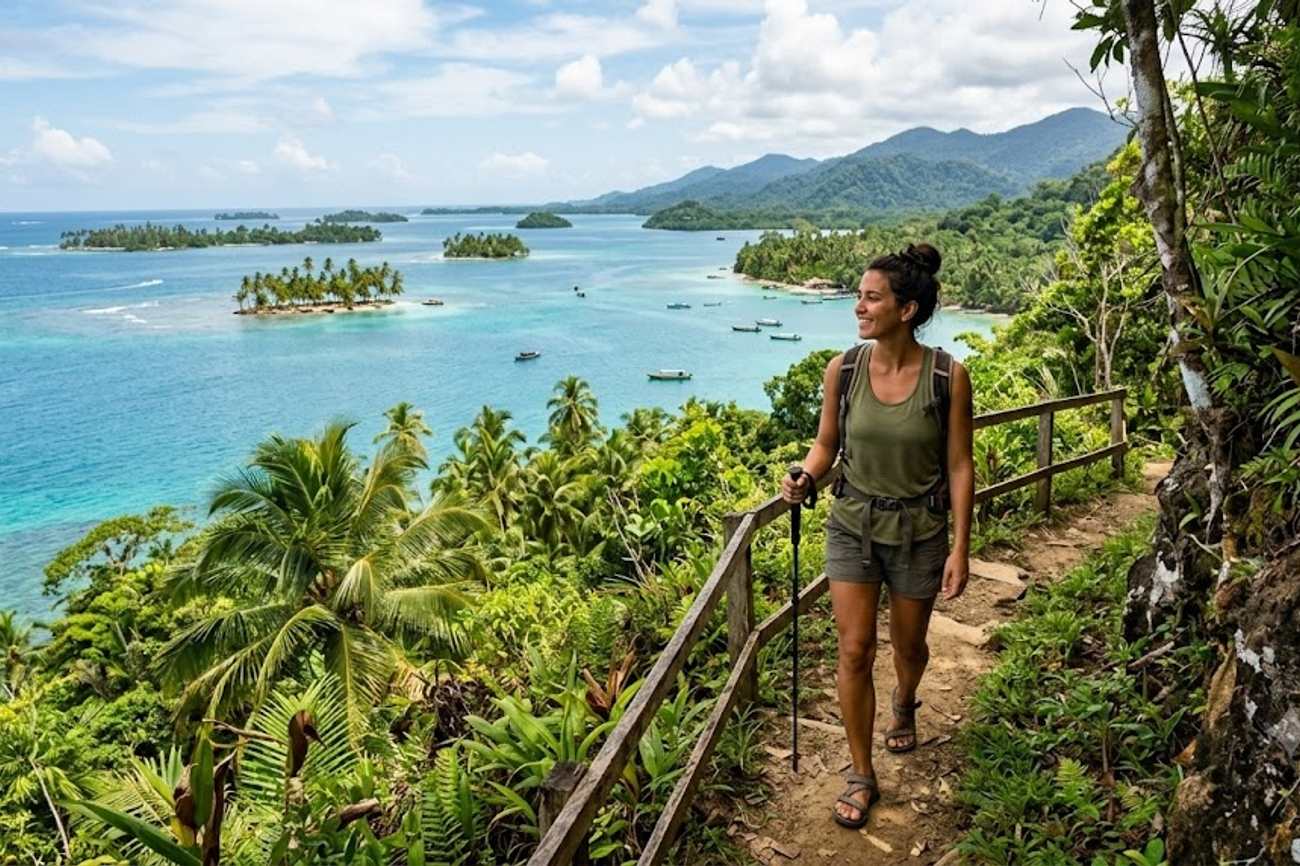
Image generated by AI
[Panama City, May 2024] — Panama is aggressively repositioning itself as Central America’s premier underrated travel hub, shifting its global image from a mere transit point for the Panama Canal to a comprehensive multi-category destination. Travel industry experts report a surge in interest as international visitors pivot away from overcrowded Caribbean and European hotspots in favor of authentic, nature-driven experiences.
The strategic pivot focuses on diversifying the visitor experience across six primary sectors: eco-tourism, adventure travel, luxury stays, beach holidays, cultural immersion, and wellness. By leveraging its unique geography as a biological bridge between North and South America, Panama is now marketing a "compact diversity" model where travelers can transition from metropolitan skyscrapers to remote Indigenous territories and highland coffee plantations within a single itinerary.
The Shift Beyond the Canal
For decades, the Panama Canal Authority has managed one of the world's most significant engineering marvels, which served as the primary—and often sole—draw for international tourists. While the canal remains a powerhouse attraction for those studying maritime history and global commerce, the national tourism strategy has evolved. The canal is now positioned as the "gateway" or starting point of a journey rather than the final destination.
The catalyst for this change is a documented shift in traveler psychology. Modern tourists are increasingly rejecting "mass tourism" in favor of meaningful connections with local traditions and untouched landscapes. Panama is capitalizing on this by promoting its remote islands, Indigenous communities, and high-altitude regions as viable alternatives to the saturated markets of the wider Caribbean.
Markets and Regions Under Expansion
The current tourism expansion is concentrated across several distinct geographical and cultural zones:
- Urban Hubs: Panama City is evolving into a dynamic Latin American urban center. The focus is on the contrast between the modern skyline and Casco Viejo, a UNESCO World Heritage Site.
- Caribbean Archipelagos:
- San Blas Islands: Managed by the Guna people, these islands offer turquoise waters and deep immersion into Indigenous Guna culture.
- Bocas del Toro: An archipelago targeting the active traveler, specifically those interested in surfing, diving, and kayaking.
- Highland Regions: Boquete is the primary anchor for mountain tourism, utilizing its cool climate and world-renowned coffee production to attract luxury and adventure seekers.
- Biological Corridors: Extensive rainforests and protected ecosystems are being marketed to birdwatchers, hikers, and conservationists.
Practical Traveler Advisory and Strategic Insights
For the average traveler, this transition means that Panama is no longer a "stopover" city but a multi-week destination. Those booking trips now have access to a wider array of specialized tour operators focusing on sustainable and community-led tourism.
Practical impacts include:
- Itinerary Diversification: Travelers can now realistically combine a luxury urban stay in Panama City with a primitive beach experience in San Blas and a highland retreat in Boquete.
- Crowd Avoidance: Because Panama has remained "underrated" compared to neighbors like Costa Rica, visitors currently experience fewer crowds at major natural sites.
- Cultural Access: There is a structured increase in opportunities to engage with Indigenous communities, moving away from superficial sightseeing toward authentic cultural exchange.
- Logistical Shifts: The Visit Panama initiatives are streamlining the movement between the capital and remote provinces, making the interior of the country more accessible to non-Spanish speakers.
The Future of Panamanian Tourism
The long-term trajectory for Panama involves the further integration of sustainable tourism practices. By focusing on "low-impact, high-value" visitors, the country aims to protect its biodiversity while increasing the economic benefit to rural and Indigenous populations.
The growth of the coffee sector in regions like Boquete is expected to mirror the "wine tourism" models of Europe, where high-end agricultural production drives luxury hospitality and gastronomy. Additionally, the government is leaning into its status as a biological bridge, positioning the country as a critical site for global eco-tourism and wildlife observation.
As the World Tourism Organization (UNWTO) continues to track the rise of "slow travel," Panama is well-positioned to capture this market by offering a variety of environments—from rainforests to reefs—within a relatively small geographic footprint.
FAQ: Panama Travel 2024
Is Panama only about the Panama Canal? No. While the canal is a world-class engineering site, the country now promotes a diverse portfolio including the San Blas Islands, the highlands of Boquete, and the historic streets of Casco Viejo for a complete experience.
What are the best islands for beach lovers? San Blas is ideal for those seeking white sands and Indigenous Guna culture, while Bocas del Toro is better suited for surfers, divers, and those seeking a relaxed Caribbean archipelago vibe.
Can I visit coffee farms in Panama? Yes. The Boquete region is internationally famous for its high-quality coffee. Visitors can participate in plantation tours, professional tastings, and farm-to-table experiences in a cool mountain climate.
Is Panama a good destination for eco-tourism? Absolutely. Due to its position between North and South America, Panama has immense biodiversity, offering world-class birding, rainforest hiking, and wildlife observation in protected ecosystems.
Panama is no longer just a shortcut between two oceans; it is the destination.
Related Travel Guides
- Philippines and Vietnam Enter a New Golden Era After 50 Years With Bigger Tourism, Trade and Economic Growth Plans
- American Airlines Joins United and More to Expand Managua Air Access as Nicaragua Targets Stronger Tourism Growth: All You Need to Know
- USA Travel Shift: Houston Birth Tourism Case Raises Questions for International Visitors
Disclaimer
This article is for informational and educational purposes only. It does not constitute legal, financial, or professional advice. While we strive to provide accurate and up-to-date information, travel policies, regulations, and conditions change rapidly. Always verify information with official sources before making travel decisions. Nomad Lawyer makes no representations about the accuracy, reliability, completeness, or suitability of the information provided. Readers should consult qualified professionals for advice specific to their circumstances. The views expressed in this article are those of the author and do not necessarily reflect the views of Nomad Lawyer.
Naina Thakur
Contributor & Travel Specialist
Travel enthusiast and legal writer covering visa regulations, responsible tourism, and cultural journeys across global destinations.
Learn more about our team →