
Asia Aviation Disruptions: Bangkok and Seventeen Airports Face Delays
A massive flight disruption hits Asian aviation networks, with Suvarnabhumi, Beijing Capital, and Delhi airports recording 2,403 delays and 151 cancellations.

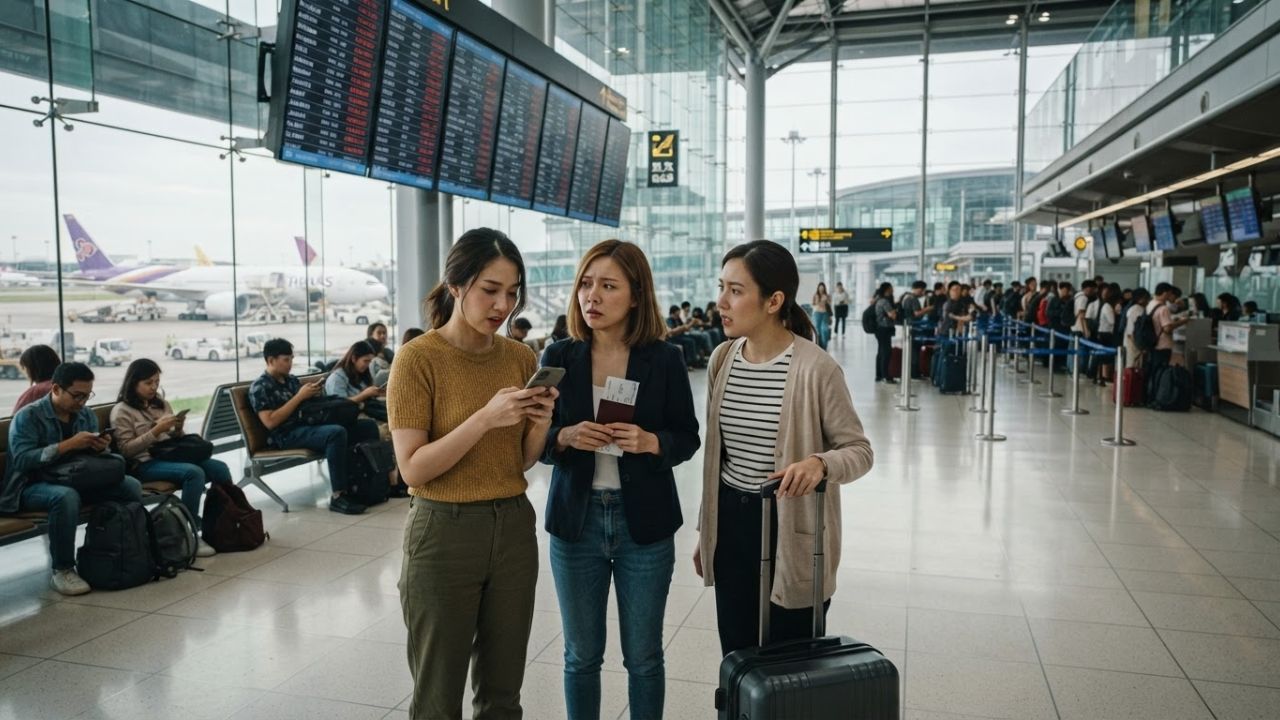
Image generated by AI
A massive wave of flight disruptions has impacted Asian aviation networks, with Suvarnabhumi in Bangkok and seventeen other major regional airports recording 2,403 delays and 151 cancellations. Widespread traffic volumes, aircraft rotation bottlenecks, and changing weather conditions have strained passenger movements across China, India, Indonesia, Thailand, Pakistan, and the Gulf corridor.
The Scale of the Asian Aviation Disruption
The Asian commercial aviation sector is managing significant operational challenges as major international airports adjust flight frequencies. Real-time aviation figures compiled on August 16, 2026, at 3:01 pm ET (August 16, 2026, at 11:02 pm GST) show that Bangkok and seventeen other regional airports recorded 2,403 delays and 151 cancellations. This widespread disruption has affected thousands of domestic and international passengers.
By establishing these seasonal flight lanes, regional airport managers aim to protect global passenger flows. Hub airports, which act as gateways for business visitors, international students, and cultural tourists, benefit from direct route access. The sudden increase in flight delays is proving challenging for the regional hospitality economy, as it forces hotels to manage passenger accommodation and food arrangements more efficiently.
By establishing these passenger safety standards, aviation planners aim to protect the integrity of global flight connections. The primary causes behind this operational congestion include localized weather patterns, scheduling conflicts, aircraft rotation delays, and high passenger demand during peak travel periods. For passengers traveling through these major transit hubs, this means longer queue times at immigration, delayed connection windows, and revised departure schedules.
A delayed aircraft can affect more than one flight. When an aircraft arrives late on an earlier route segment, its subsequent departures are delayed, creating a cumulative effect that spreads disruption across multiple airports. Crew scheduling is also affected, leading to staffing shortages that delay flights even in areas with clear weather. For connecting passengers, a delay on the first segment can result in a missed connection, even if the subsequent flight operates normally.
Country-by-Country Breakdown: Chinese Hubs Under Pressure
The travel disruption is distributed across several major hubs, affecting both primary international gateways and regional domestic airports.
This localized disruption also offers a unique opportunity for duty-free retailers and terminal operators to design services suited for stranded passengers. By monitoring passenger comfort levels during long delays, airport customer teams can provide complimentary amenities to ensure guest satisfaction. This proactive approach helps build traveler confidence, ensuring that regional transit routes remain competitive with global hub standards.
China experienced the largest airport disruption levels in Asia, with several major international gateways reporting hundreds of delayed flights. Beijing Capital International Airport recorded 355 delays and 8 cancellations, while Guangzhou Baiyun International Airport reported the highest delay total in the region, with 346 delays and 3 cancellations.
Other major Chinese airports also faced significant schedule pressure. Kunming Changshui International Airport recorded 285 delays and 3 cancellations, Chengdu Tianfu International Airport reported 198 delays and 5 cancellations, Chongqing Jiangbei International Airport logged 115 delays and 4 cancellations, and Hohhot Baita International Airport recorded 37 delays and 3 cancellations.
Southeast Asia and South Asia Terminal Backlogs
Southeast Asian aviation hubs also experienced significant disruption, with Indonesia and Thailand reporting notable delays and cancellations.
Jakarta Soekarno-Hatta International Airport recorded 285 delays and 13 cancellations, affecting both domestic island connections and international flights across Southeast Asia. Indonesia's Sultan Hasanuddin International Airport reported 77 delays and 3 cancellations. In Thailand, Suvarnabhumi Bangkok International Airport recorded 191 delays and 2 cancellations, affecting passengers connecting between Asia, Europe, and other global destinations.
In South Asia, India's largest passenger hubs faced operational challenges. Indira Gandhi International Airport in Delhi recorded 148 delays and 8 cancellations, creating terminal congestion at the country's busiest gateway. Rajiv Gandhi International Airport in Hyderabad recorded 43 delays and 3 cancellations. In Pakistan, Islamabad International Airport reported 32 delays and 3 cancellations.
Gulf aviation connections also reported additional pressure. Sharjah International Airport recorded 58 delays and 4 cancellations, while Saudi Arabia's King Khalid International Airport in Riyadh reported 124 delays and 30 cancellations. King Abdulaziz International Airport in Jeddah reported 91 delays and 15 cancellations. Smaller Saudi airports also recorded cancellations, with Abha Regional Airport reporting 18 delays and 16 cancellations, Gizan Regional Airport logging 16 cancellations, and Najran Domestic Airport recording 12 cancellations despite reporting no delays.
Airline Disruption Metrics: China Eastern and IndiGo Lead
Major Asian airlines and regional carriers are adjusting schedules to handle the delays. Chinese carriers experienced the highest delay numbers. China Eastern recorded 586 delays and 4 cancellations, followed by Air China with 403 delays and 7 cancellations, and China Southern Airlines with 392 delays and 3 cancellations. Sichuan Airlines reported 176 delays and 1 cancellation.
In South Asia, Indian low-cost carrier IndiGo reported 181 delays and 6 cancellations, while SpiceJet recorded 47 delays and 9 cancellations. In Southeast Asia, Indonesia's Batik Air experienced 92 delays and 12 cancellations, Singapore Airlines reported 49 delays and 1 cancellation, and Philippine Airlines recorded 35 delays and 1 cancellation. Meanwhile, Gulf-based Air Arabia reported 41 delays and 4 cancellations.
The airline disruption pattern shows that both full-service carriers and low-cost operators are facing challenges, requiring passengers to coordinate with airline representatives to verify flight statuses.
Visitor Guide: Transit Lounge Rules, Street Food, and Airline Rebookings
Managing a flight delay or cancellation in Asia involves understanding transit regulations, utilizing airport lounge spaces, and knowing your passenger rights. By following structured steps, travelers can minimize travel complications.
Sample regional culinary specialties while waiting in the terminal. At Suvarnabhumi Airport in Bangkok, enjoy hot Pad Thai or fresh mango sticky rice at the food court. At Beijing Capital Airport, visit Terminal 3 to try Cantonese dishes at Crystal Jade Kitchen or steaming noodle bowls at Ajisen Ramen. In Delhi, enjoy hot samosas and masala chai, and in Jakarta, order a plate of traditional Nasi Goreng.
Utilize airport transit facilities during extended delays. At Suvarnabhumi, look for the 24-hour Miracle Lounges located in Concourses D, F, and G, which offer buffet dining, comfortable seating, and shower facilities. Day passes can be purchased directly at the entrance or accessed through Priority Pass. At Delhi's Terminal 3, passengers can check into the Holiday Inn Express transit hotel, which features separate wings for domestic and international transit. Ensure you have a valid boarding pass for a departing flight within 24 hours of arrival to access the hotel.
Understand your passenger rights when delays occur. Under IndiGo's "Plan B" policy, if your flight is canceled or delayed by more than 2 hours, you can rebook on an alternative IndiGo flight at no extra cost or request a full refund. For all airlines, monitor flight status updates on official mobile apps, and keep essential documents, medication, and chargers in your hand luggage.
Future Outlook: Rebuilding Resilient Asian Aviation Systems
The long-term development of the Asian aviation network depends on upgrading infrastructure to prevent regional bottlenecks. Civil aviation departments and airport groups are investing in modernization programs.
Sustainable initiatives include installing solar panels to power airport terminals, implementing automated baggage routing systems to reduce processing times, and upgrading air traffic control systems to optimize flight paths. By coordinating infrastructure upgrades with sustainable operations, the aviation sector aims to protect global travel connections, securing a reliable and sustainable transit network for future travelers.
Related Travel Guides
Disclaimer
This article is for informational and educational purposes only. It does not constitute legal, financial, or professional advice. While we strive to provide accurate and up-to-date information, travel policies, regulations, and conditions change rapidly. Always verify information with official sources before making travel decisions. Nomad Lawyer makes no representations about the accuracy, reliability, completeness, or suitability of the information provided. Readers should consult qualified professionals for advice specific to their circumstances. The views expressed in this article are those of the author and do not necessarily reflect the views of Nomad Lawyer.
Kunal K Choudhary
Co-Founder & Contributor
A passionate traveller and tech enthusiast. Kunal contributes to the vision and growth of Nomad Lawyer, bringing fresh perspectives and driving the community forward.
Learn more about our team →