
Aruba Tourism Trends 2026: Fall Surge and Diversification Strategy
Aruba reports 160,858 overnight visitors in July 2026. Analysis of the island's shift toward sustainable tourism, San Nicolas cultural growth, and hurricane-sea

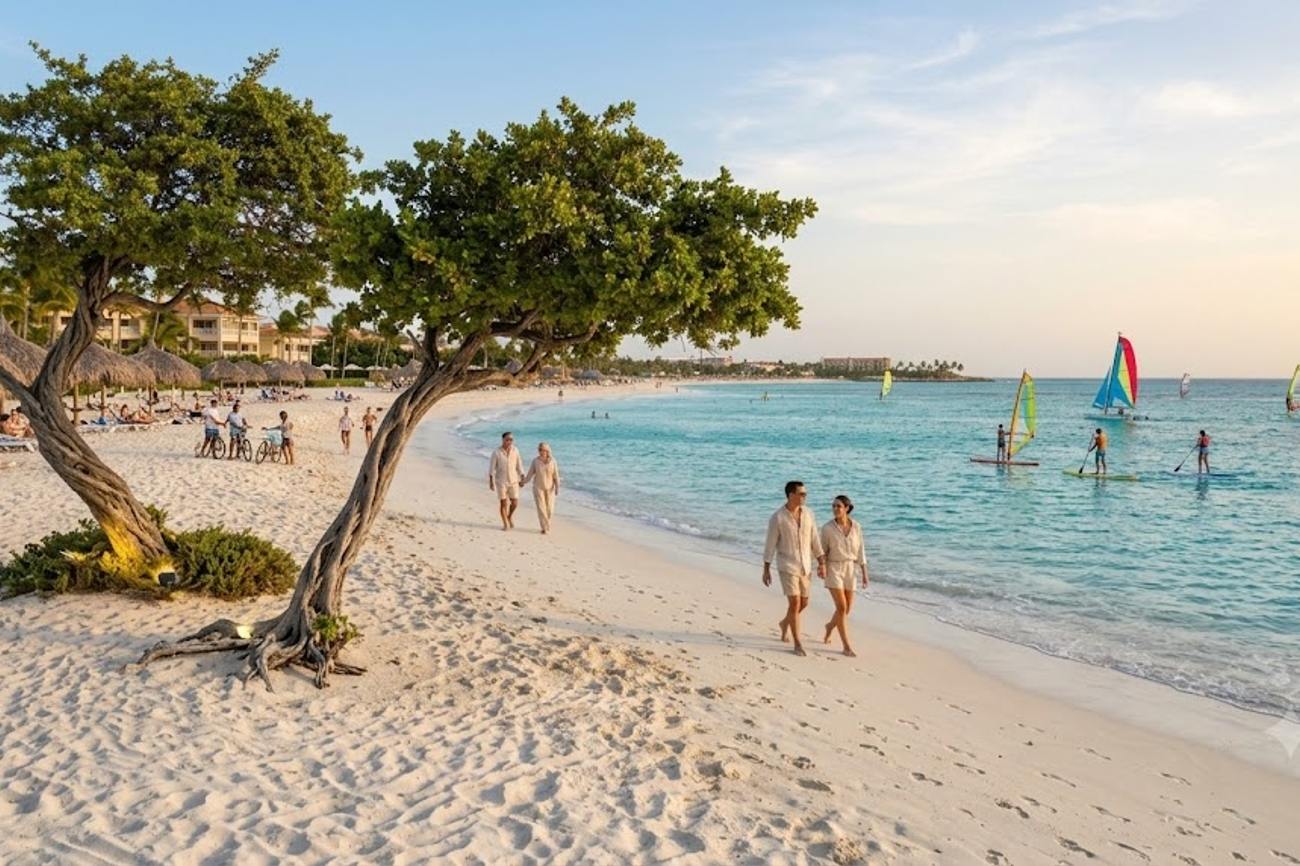
Image generated by AI
Aruba Pivots to Sustainable Tourism Amid Fall Demand Surge
Aruba is entering the September travel window with a strategic shift in its tourism model. The government is moving away from a reliance on large-scale hotel activities, instead promoting a diversification strategy that encourages visitors to explore the island's interior and local urban centers.
This pivot is designed to distribute economic benefits more evenly across the island and reduce the environmental pressure on high-density resort zones.
July 2026 Performance Data The latest official statistics confirm robust demand for the destination:
- Total Overnight Visitors: 160,858
- Total Tourist Nights: 1.07 million
- Average Length of Stay: 6.7 nights
The "Southern Caribbean" Weather Advantage
While September through November is traditionally considered the off-season, Aruba maintains a competitive edge due to its geography. Located in the southern Caribbean, the island sits outside the primary hurricane belt.
While passing tropical systems may cause intermittent rain or wind, the direct risk of major hurricanes is significantly lower than in northern Caribbean destinations. This makes Aruba a primary target for North American travelers seeking sun-safe holidays during the peak of the Atlantic hurricane season.
Diversification Hubs: San Nicolas and Arikok
The island is actively steering traffic away from the Palm Beach hotel districts toward two primary alternative experiences:
The Cultural Shift in San Nicolas The southern city of San Nicolas has transitioned from an industrial hub to a cultural center. Key developments include:
- Urban Revitalization: Public investment in historical areas and public spaces.
- Cultural Attractions: A focus on street art, murals, and local gastronomy.
- Community Events: The August 2026 San Nicolas Food Truck Festival served as a catalyst for local entrepreneurship and tourism.
Interior Exploration Aruba is marketing its desert landscapes to differentiate itself from typical tropical imagery. Arikok National Park serves as the anchor for this effort, offering:
- Rugged rock formations and cacti landscapes.
- Coastal viewpoints and hiking routes.
- A compact geography that allows travelers to move from beach environments to desert terrain in short durations.
Sustainable Framework 2026-2030
The government has implemented a new 2026-2030 framework to address the structural vulnerabilities of the tourism sector. Given the island's small landmass of 70 sq mi and its fragile coral reefs, the policy now prioritizes:
- Local Economic Integration: Increasing visitor spend in supermarkets, public transport, and independent retail stores.
- Environmental Protection: Reducing the footprint of mass tourism on fragile ecosystems.
- Decentralized Tourism: Moving the visitor experience beyond the confines of all-inclusive resorts.
Data Summary: July 2026
| Metric | Value |
|---|---|
| Overnight Visitors | 160,858 |
| Total Tourist Nights | 1.07 Million |
| Average Stay Duration | 6.7 Nights |
| Total Island Area | 70 sq mi |
Why This Matters
From a logistical and market perspective, Aruba is solving the "resort bubble" problem. Most Caribbean destinations struggle with "leakage," where tourism revenue stays within foreign-owned hotel chains. By aggressively promoting San Nicolas and the interior, Aruba is forcing a shift in spending patterns toward local vendors and entrepreneurs.
For the traveler, this means a transition from a passive "sun and sand" holiday to an active "exploration" itinerary. The reliance on the "hurricane-safe" narrative allows Aruba to capture market share from other Caribbean islands during the Q3 and Q4 windows, effectively smoothing out the seasonality of their tourism revenue.
Industry Outlook
Expect a continued increase in rental vehicle demand and guided excursion bookings as the 2026-2030 framework takes hold. As the island pushes visitors toward Arikok and San Nicolas, the infrastructure in the southern region will likely see further public-private investment. We anticipate a rise in "boutique" and "eco-stay" accommodations to complement the shift away from large-scale hotel dominance.
Internal Link Suggestions:
- Sustainable Tourism Frameworks in the Caribbean
- Impact of Hurricane Season on Q3 Aviation Demand
- Cultural Tourism Trends in Emerging Island Destinations
Related Travel Guides
Disclaimer
This article is for informational and educational purposes only. It does not constitute legal, financial, or professional advice. While we strive to provide accurate and up-to-date information, travel policies, regulations, and conditions change rapidly. Always verify information with official sources before making travel decisions. Nomad Lawyer makes no representations about the accuracy, reliability, completeness, or suitability of the information provided. Readers should consult qualified professionals for advice specific to their circumstances. The views expressed in this article are those of the author and do not necessarily reflect the views of Nomad Lawyer.
Naina Thakur
Contributor & Travel Specialist
Travel enthusiast and legal writer covering visa regulations, responsible tourism, and cultural journeys across global destinations.
Learn more about our team →