
Hidden Architectural Secrets and Lost Attractions Revealed at Walt Disney World
Explore the hidden history of Walt Disney World. Discover forgotten attractions, secret Easter eggs, and surviving historical details across the Florida resort.

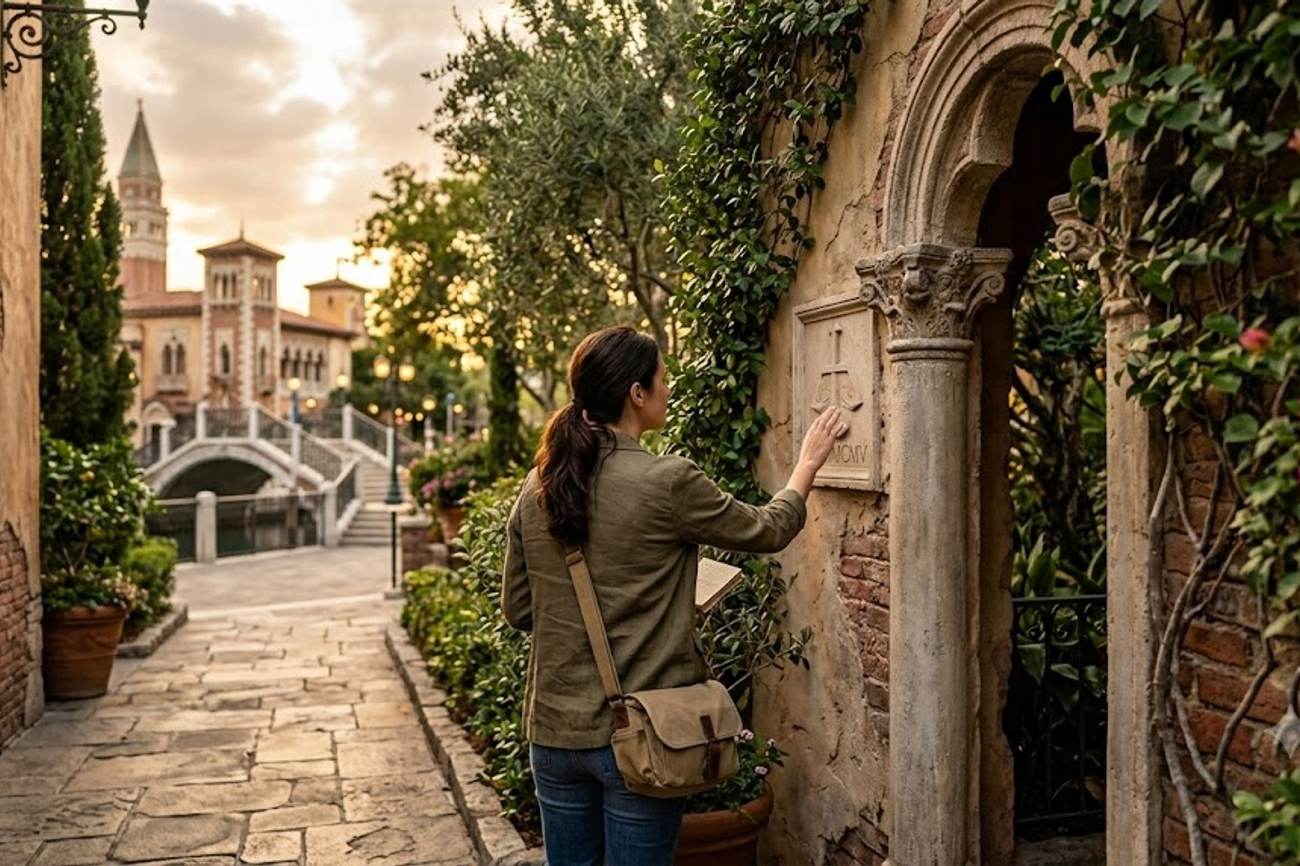
Image generated by AI
Orlando, Florida —
Walt Disney World is globally recognized for its high-tech immersive lands and cinematic storytelling, but a significant portion of its legacy remains invisible to the average tourist. According to recent historical research detailed in the publication “The Lost History of Walt Disney World” by Danielle Kelly and Ian Wilson, the Florida resort contains a wealth of forgotten attractions, surviving architectural remnants, and subtle "Easter eggs" that reward observant visitors. This research suggests that the resort functions as a living archive, where the evolution of theme park design is etched into the physical landscape, often hidden behind the facade of modern upgrades.
The discovery of these secrets comes at a pivotal moment for the resort. Walt Disney World is currently undergoing an aggressive phase of transformation, with massive redevelopment projects altering the footprints of Magic Kingdom, Disney’s Hollywood Studios, and Animal Kingdom. As new lands emerge to accommodate modern franchises, the surviving traces of the 1970s and 80s become increasingly rare and valuable. For the modern traveler, these remnants provide a secondary layer of experience, transforming a standard vacation into a study of design experimentation and corporate evolution.
Surviving Artifacts Within the Modern Park Layout
The effort to document the resort's hidden history focuses on connecting historical narratives with physical objects that visitors can still touch or see today. Rather than relying solely on archival photography, the research identifies specific locations where the past persists despite decades of renovations.
One of the most prominent examples is located in Tomorrowland. While the park has moved toward digital integration and seamless entry, a specific structure currently serving as a Disney Vacation Club kiosk is actually a repurposed ticket booth from the Magic Kingdom’s early operational era. During the resort's first decades, guests were required to purchase individual paper tickets for specific attractions. The base of this kiosk still retains the architectural markers of those original ticket windows, serving as a physical bridge to a time before the era of unified ticketing and digital passes.
| Historical Detail | Location Or Connection | What Travellers Can Notice |
|---|---|---|
| Early ticket booth | Tomorrowland | Surviving structure from the paper-ticket era |
| Nautilus Easter egg | Winnie the Pooh attraction queue | Reference to 20,000 Leagues Under the Sea |
| Spaceship Earth detail | EPCOT | Disney Legend Joe Rohde voiced an audio-animatronic |
| Former attraction legacy | Magic Kingdom | Details recalling experiences that disappeared |
| Historical design elements | Across the parks | Architecture and features preserving earlier stories |
The Nautilus Easter Egg and the Legacy of Lost Rides
Few attractions evoke as much nostalgia for long-term visitors as 20,000 Leagues Under the Sea, a submarine voyage that once defined the Magic Kingdom experience. Although the ride was removed years ago to make room for new developments—including a Winnie the Pooh play area and eventually the expanded New Fantasyland—the attraction was not entirely erased from the park's visual narrative.
Industry observers have noted a specific "Easter egg" dedicated to the Nautilus submarine, which remains visible on a tree within the queue for The Many Adventures of Winnie the Pooh. This small, intentional detail serves as a nod to the ride's predecessors, ensuring that the memory of the submarine voyage persists for future generations who never experienced the original ride. It demonstrates a philosophy of "hidden storytelling," where the park's history is woven into the scenery of newer attractions.
Research Methodology and Insider Perspectives
The depth of this historical recovery is largely attributed to the professional background of Danielle Kelly. As a Disney historian and former cast member with approximately a decade of experience working within the Florida resort, Kelly utilized her insider access to bridge the gap between official records and oral histories.
During her tenure, Kelly actively collected anecdotes from veteran cast members, recognizing that personal memories often preserve details that official blueprints ignore. To supplement these interviews, she and Ian Wilson analyzed legacy training materials—particularly those related to EPCOT—and conducted discussions with former Imagineers. This methodology revealed that elements often dismissed as mere decoration, such as specific tiling patterns, landscaping choices, and queue architecture, were often the result of intense creative experimentation and represent a continuity of vision across different eras of the park.
Transitioning from Tourism to Cultural Exploration
The revelation of these hidden details suggests a shift in how theme park tourism can be approached. Most visitors treat Walt Disney World as a series of checkboxes—prioritizing "headliner" rides, dining reservations, and scheduled entertainment. However, the research suggests that a slower, more observational pace can unlock a different type of value.
By treating the resort as a site of cultural exploration rather than a race between attractions, visitors can discover how the environment reflects the people who built it. This approach is particularly impactful for repeat visitors. A walkway or a building passed hundreds of times can suddenly take on new meaning once its original purpose or the designer's intent is understood.
The Impact of Constant Evolution on Historical Value
Theme parks are, by nature, ephemeral. They must constantly evolve to integrate new technology and intellectual properties to remain competitive. At Walt Disney World, this means that buildings are frequently repurposed and entire sections of the park are reimagined every few years.
This cycle of destruction and creation makes the surviving fragments of the past significantly more important. These details provide a sense of stability and continuity in an environment of constant change. For the traveler, the "destination within the destination" is no longer just the newest ride, but the search for the overlooked design choice or the forgotten attraction's ghost.
Why This Matters (Information Gain & Experience) For the traveler, this shift in perspective changes the logistical nature of a Disney trip. Instead of spending hours in high-traffic queues for the newest "E-ticket" attractions, visitors can find genuine value in "slow tourism." From a logistical standpoint, this reduces the stress of the rigid Disney itinerary. By seeking out the Nautilus Easter egg or the Tomorrowland ticket booth, a guest transforms from a passive consumer of entertainment into an active explorer. It adds a layer of intellectual engagement to the holiday, making the experience personal and unique rather than a curated, identical experience shared by millions of other guests.
Related Travel Guides
Disclaimer
This article is for informational and educational purposes only. It does not constitute legal, financial, or professional advice. While we strive to provide accurate and up-to-date information, travel policies, regulations, and conditions change rapidly. Always verify information with official sources before making travel decisions. Nomad Lawyer makes no representations about the accuracy, reliability, completeness, or suitability of the information provided. Readers should consult qualified professionals for advice specific to their circumstances. The views expressed in this article are those of the author and do not necessarily reflect the views of Nomad Lawyer.
Kunal K Choudhary
Co-Founder & Contributor
A passionate traveller and tech enthusiast. Kunal contributes to the vision and growth of Nomad Lawyer, bringing fresh perspectives and driving the community forward.
Learn more about our team →