
Europe Autumn 2026 Travel Costs: Paris and Amsterdam Lead as Most Expensive Getaways
New 2026 autumn travel data reveals Paris as Europe's costliest destination at €386/night, while Sicily and Poland offer budget-friendly alternatives.

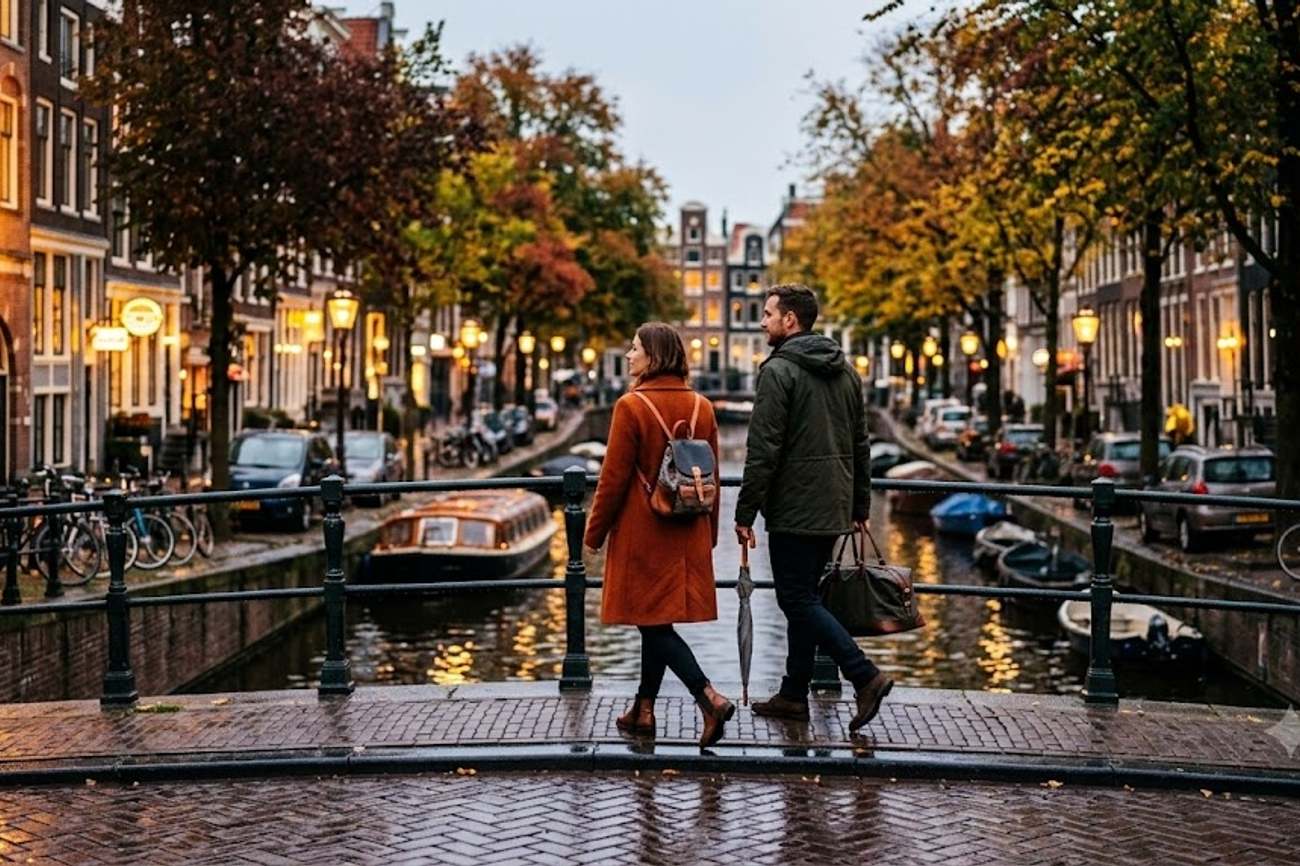
Image generated by AI
[London, September 10, 2026] — Travelers planning their autumn breaks for 2026 face a stark divide in accommodation costs across the continent. Recent data analyzing 50 popular European destinations shows that while major metropolitan hubs are driving prices upward, Mediterranean islands and inland European regions remain accessible for budget-conscious vacationers.
As the peak summer rush fades, the shift toward autumn travel has highlighted a significant disparity in nightly rates. The financial impact is most pronounced for those choosing primary capital cities over secondary destinations or coastal retreats. Because many of these figures represent the cost of entire holiday properties rather than per-person rates, the total expenditure varies wildly depending on group size and destination choice.
Urban Hubs Drive Highest Autumn Costs
City breaks remain the most expensive category for autumn 2026. Paris has emerged as the most costly destination in the study, with average holiday accommodation prices reaching €386 per night. Amsterdam follows closely as the second most expensive city, averaging €337 per night.
These figures stand in sharp contrast to Mediterranean alternatives. For instance, Málaga offers an average nightly rate of €164, representing a fraction of the cost of a Parisian stay. Industry observers indicate that travelers seeking urban culture and gastronomy can significantly lower their overhead by opting for smaller cities or established regional hubs rather than the most famous European capitals.
Mediterranean Island Price Disparities
While Mallorca is a premier choice for those seeking mild autumn temperatures and beach access, its popularity is reflected in its pricing. The island averages €248 per night, placing it among the high-end options for island getaways.
Conversely, several other Mediterranean and Atlantic islands provide similar climates at a much lower price point. Sicily is the most affordable of the major islands, averaging just €116 per night—less than half the cost of Mallorca. Other competitive options include Fuerteventura and Sardinia, both of which hover around the €123 to €124 mark.
| Destination | Average Price Per Night |
|---|---|
| Mallorca | €248 |
| Málaga | €164 |
| Rhodes | €159 |
| Crete | €140 |
| Tenerife | €135 |
| Sardinia | €124 |
| Fuerteventura | €123 |
| Sicily | €116 |
German Coastal and Island Pricing Trends
In Germany, a clear price distinction exists between mainland coastal towns and exclusive islands. On the mainland, prices remain relatively stable across various regions. Büsum is among the most affordable at €113 per night, followed by Cuxhaven at €117, Norddeich at €122, Kühlungsborn at €127, and Grömitz at €128. St Peter-Ording is the most expensive mainland option at €138 per night.
The cost increases significantly when moving to the North Sea islands. Sylt commands a premium with an average of €180 per night, while Norderney and Borkum both average €162. The Baltic islands offer a more balanced middle ground, with Rügen at €129, Fehmarn at €128, and Usedom at €121 per night.
Budget-Friendly Inland German Escapes
For travelers who do not require a beach, Germany's inland regions provide some of the most economical options for the 2026 autumn season. The Bavarian Forest is one of the cheapest regions identified, with average nightly rates of €106.
Other affordable inland alternatives include:
- The Harz: €111 per night
- Sauerland: €118 per night
- Moselle Region: €118 per night
- Black Forest: €121 per night
These areas are particularly appealing in autumn due to the seasonal foliage and hiking opportunities, allowing families to redirect their savings toward local activities and dining.
Cross-Border Savings in Poland and Denmark
Expanding the search beyond German borders reveals even greater opportunities for cost reduction. Poland's Baltic coast is significantly more affordable than its German counterpart, averaging €97 per night. Swinoujscie stands out as a particularly low-cost option at just €84 per night, compared to the approximately €127 average found along the German Baltic coast.
Similarly, Denmark's North Sea coast offers a competitive alternative with an average nightly price of €109, which is notably lower than the €134 average seen in German North Sea destinations.
Group Dynamics and Total Cost Calculation
A critical factor in these findings is the method of pricing. The reported figures refer to the cost of the entire holiday property. When split among a group or family, the per-person cost drops significantly, averaging approximately €36.15 per person per night.
However, reports suggest that travelers must look beyond the headline nightly rate. Final budgets are often impacted by "hidden" costs, including cleaning fees, local municipal taxes, transportation, and food. A comprehensive total-stay calculation is recommended to determine the actual value of a destination.
Why This Matters (Information Gain & Experience)
For the modern traveler, this data proves that "seasonal" doesn't have to mean "expensive." The massive gap between Paris (€386) and Swinoujscie (€84) suggests that the biggest lever for budget control is not the time of travel, but the location.
From a logistical standpoint, the shift toward holiday apartments over hotels is becoming a financial necessity for families. By leveraging the "per property" pricing model, a group of four can effectively turn a €200-a-night property into a €50-per-person expense, making mid-tier destinations like Crete or Tenerife feel like budget options. Furthermore, the data suggests a "border-hop" strategy: by moving a vacation just a few miles across the border from Germany into Poland or Denmark, travelers can shave 20-30% off their accommodation costs without sacrificing the coastal experience.
Related Travel Guides
Disclaimer
This article is for informational and educational purposes only. It does not constitute legal, financial, or professional advice. While we strive to provide accurate and up-to-date information, travel policies, regulations, and conditions change rapidly. Always verify information with official sources before making travel decisions. Nomad Lawyer makes no representations about the accuracy, reliability, completeness, or suitability of the information provided. Readers should consult qualified professionals for advice specific to their circumstances. The views expressed in this article are those of the author and do not necessarily reflect the views of Nomad Lawyer.
Naina Thakur
Contributor & Travel Specialist
Travel enthusiast and legal writer covering visa regulations, responsible tourism, and cultural journeys across global destinations.
Learn more about our team →