
Antarctica Tourism Surge 2026: Environmental Risks as Polar Voyages Hit 120,000 Visitors
With over 120,000 visits in the 2025-26 season, Antarctica faces a critical tension between its status as a premium adventure destination and the urgent need for ecosystem preservation.

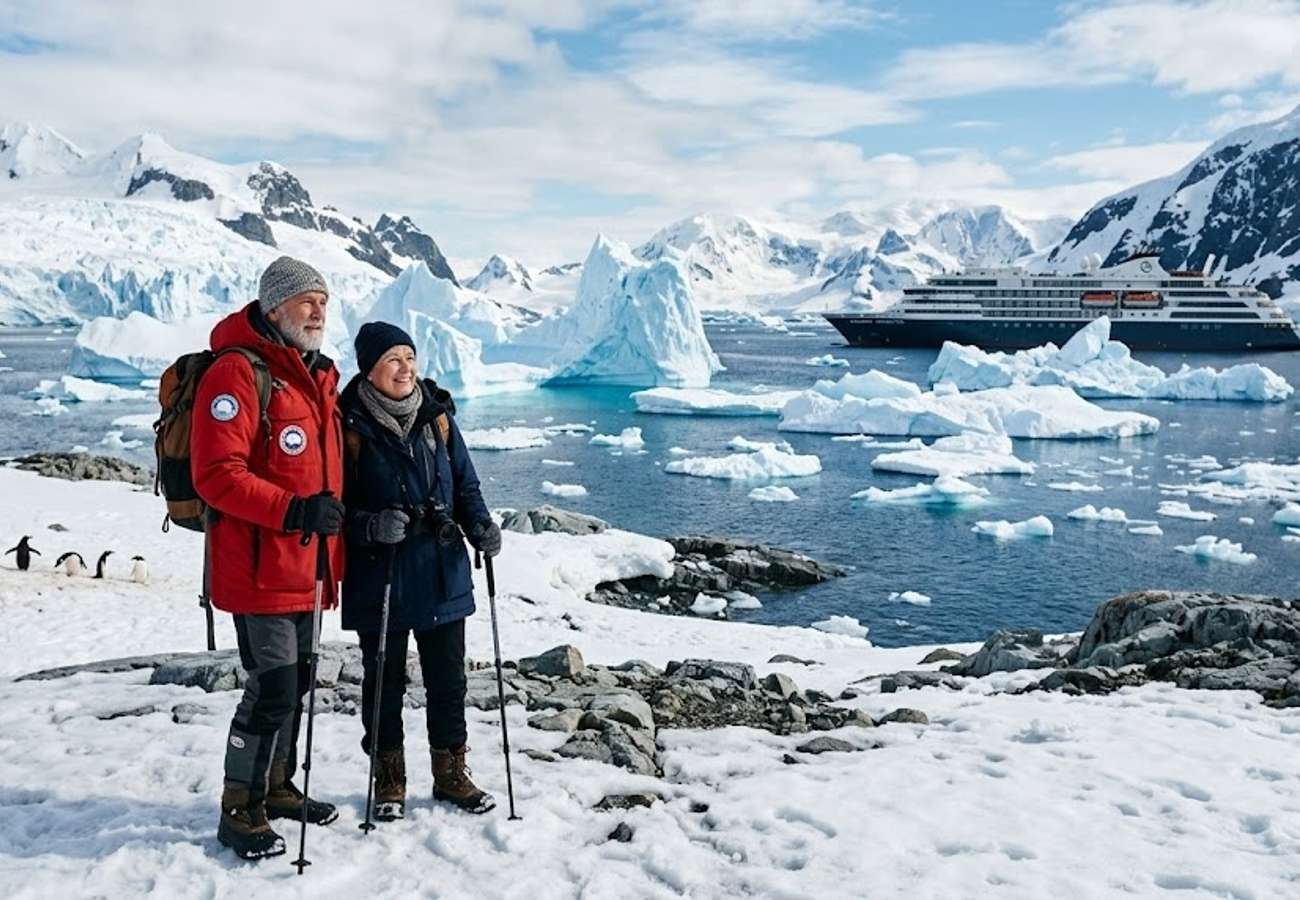
Image generated by AI
Antarctica is witnessing a paradoxical surge in popularity, recording over 120,000 visits during the 2025–26 season as it transforms into a high-value hub for premium adventure travel.
The frozen continent, once the exclusive domain of scientists and hardy explorers, is now a primary target for experiential travelers. However, this shift toward "premium" polar tourism is creating an urgent conflict between commercial growth and the preservation of one of Earth's last pristine wildernesses.
The Evolution of the Polar Travel Market
The transition of Antarctica from a scientific outpost to a luxury destination is driven by significant leaps in vessel technology and expedition cruising. Modern ships can now navigate harsher conditions with greater comfort, making the remote landscape accessible to a demographic far broader than the original explorers.
Today, these journeys are marketed as exclusive opportunities to witness untouched ice landscapes and rare wildlife. This high-value market attracts travelers willing to pay a premium for the prestige of visiting a location devoid of urban development. While this growth fuels the expedition economy and hospitality sectors, it raises a fundamental question: how many humans can the Antarctic ecosystem actually support before irreversible damage occurs?
Environmental Thresholds and Visitor Metrics
Antarctica lacks the infrastructure found in traditional tourist hubs, making it exceptionally vulnerable to human footprints. The scale of current activity is highlighted by the most recent seasonal data.
Antarctic Tourism Volume (2025–26 Season)
| Metric | Data Point |
|---|---|
| Total Recorded Visits | 120,000+ |
| Primary Gateway | South American Ports |
| Trend Projection | Continued Significant Increase |
The environmental toll of these numbers is multifaceted. Most visitors arrive via expedition ships, which rely on carbon-heavy fuel and complex maritime supply chains. The primary pressures include:
- Atmospheric Impact: High carbon emissions from long-haul aviation and ship propulsion.
- Site Degradation: Physical pressure on fragile landing sites used for shore excursions.
- Waste Logistics: The mounting challenge of managing human and operational waste in a region with no disposal infrastructure.
- Biological Stress: Direct disruption of wildlife habitats and breeding grounds.
The "Last Chance Tourism" Contradiction
A significant driver of the 2026 surge is a phenomenon known as "last chance tourism." Travelers are increasingly motivated to visit the poles specifically because they are disappearing. The desire to witness glaciers and ice formations before they vanish due to global warming creates a self-defeating cycle: the very act of traveling to document climate change contributes to the emissions accelerating that change.
This creates a professional crisis for operators. To remain viable, the industry must shift from being a mere provider of sightseeing to becoming a catalyst for conservation. The goal is to transform the traveler from a passive observer into an educated advocate for polar protection.
Field Perspectives: The Guide's Dilemma
The tension between tourism and preservation is most evident among the professionals leading the tours. Recent research involving former Antarctic guides suggests a growing internal conflict within the workforce.
Guides are tasked with promoting responsible behavior and educating guests. However, those who spend the most time on the ice report witnessing rapid shifts in ice conditions and warming trends. This firsthand observation has led many professionals to question if the current trajectory of visitor growth is compatible with the long-term survival of the environment they are paid to showcase.
Mitigating Risks to Polar Wildlife
Wildlife encounters—specifically with penguins, seals, and seabirds—remain the primary draw for polar tourists. Because these species evolved in an environment with virtually no human presence, they are hypersensitive to interference.
Current risks identified by conservationists include:
- Breeding Disruptions: Human proximity during critical nesting and mating periods.
- Behavioral Shifts: Alterations in natural foraging or social patterns due to human observation.
- Biosecurity Threats: The accidental introduction of non-native organisms or pathogens via clothing and equipment.
While operators have implemented strict distance requirements and biosecurity protocols, the sheer volume of visitors makes the enforcement of these rules increasingly difficult.
The Path Toward Sustainable Exploration
The future of the sector depends on a transition toward measurable sustainability rather than vague promises of "awareness." Expedition companies are now under pressure to implement:
- Vessel Efficiency: Shifting to low-emission fuels and hybrid propulsion systems.
- Enhanced Waste Management: Moving toward zero-discharge policies.
- Educational Integration: Moving beyond sightseeing to provide rigorous climate science curricula during voyages.
Because no single nation owns Antarctica, management falls under the Antarctic Treaty System. Future governance may require more stringent visitor caps, expanded "no-go" zones for sensitive habitats, and more rigorous international environmental standards to ensure that exploration does not lead to extinction.
The survival of the Antarctic wilderness now depends on whether the travel industry can prioritize the planet's health over the demand for exclusivity.
Related Travel Guides
Disclaimer
This article is for informational and educational purposes only. It does not constitute legal, financial, or professional advice. While we strive to provide accurate and up-to-date information, travel policies, regulations, and conditions change rapidly. Always verify information with official sources before making travel decisions. Nomad Lawyer makes no representations about the accuracy, reliability, completeness, or suitability of the information provided. Readers should consult qualified professionals for advice specific to their circumstances. The views expressed in this article are those of the author and do not necessarily reflect the views of Nomad Lawyer.
Preeti Gunjan
Contributor & Community Manager
A passionate traveller and community builder. Preeti helps grow the Nomad Lawyer community, fostering engagement and bringing the reader experience to life.
Learn more about our team →