
Mexico Coastal Tourism Shift 2026: Mazunte and Holbox Lead Surge in Authentic Village Travel
Data shows a pivot from commercial resorts to authentic Mexican coastal villages like Mazunte and Holbox as travelers prioritize sustainable, nature-driven experiences in 2026.

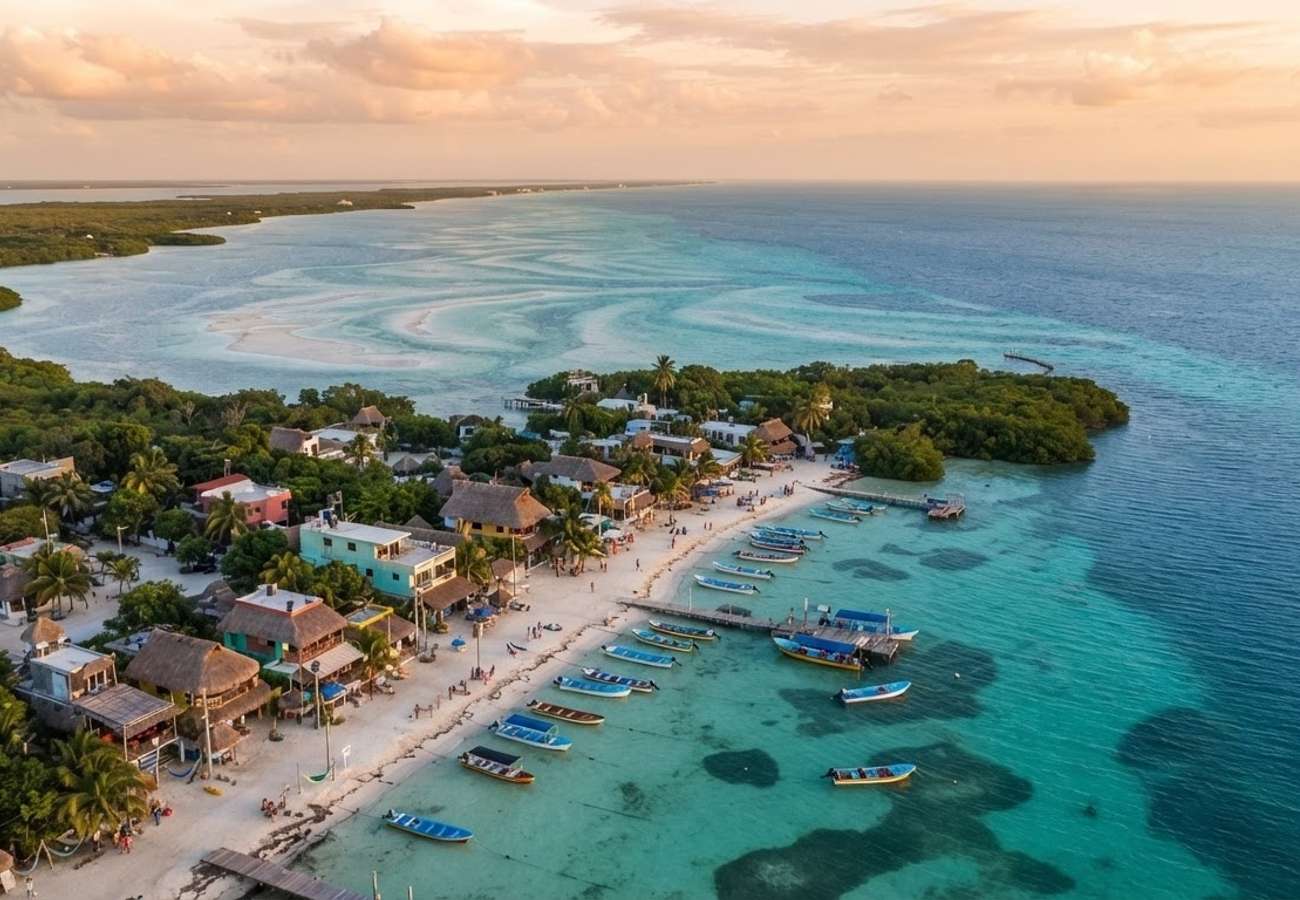
Image generated by AI
International arrival patterns in Mexico have shifted significantly in 2026, with a measurable migration of tourist spend from high-density resort zones to decentralized coastal villages. While traditional hubs like Cancun and Puerto Vallarta remain high-volume, the growth rate of "authentic" coastal escapes—specifically in Oaxaca and Quintana Roo—is now outpacing the growth of all-inclusive luxury corridors. This indicates a fundamental change in consumer behavior: the prioritization of ecological integrity and cultural immersion over standardized luxury.
The Trend in Numbers: Decentralized Coastal Growth
The 2026 travel data reveals that destinations like Mazunte, Holbox, and Bacalar are no longer niche interests but are becoming primary drivers of Mexico's regional tourism economy. This movement is characterized by a preference for "slow travel," where the metric of success is not the number of amenities, but the quality of the connection to the local environment.
In Oaxaca, Mazunte has emerged as a benchmark for sustainable development. The village is seeing a surge in visitors specifically seeking turtle conservation programs and wellness retreats. Similarly, in Quintana Roo, Holbox is capturing a larger market share of the Caribbean traveler by offering whale shark tours and bioluminescence experiences that cannot be replicated in a resort setting.
The data suggests that the "resort fatigue" phenomenon is real. Travelers are now actively seeking destinations where the infrastructure is community-led rather than corporate-led. This is evidenced by the rise of boutique stays in San Agustinillo and the growth of art-centric tourism in Todos Santos, Baja California Sur. According to the World Travel & Tourism Council (WTTC), the global demand for sustainable and community-based tourism has seen a year-over-year increase, and Mexico's coastal villages are currently the primary beneficiaries of this shift in the Americas.
Comparative Market Analysis: Resort Hubs vs. Coastal Villages
To understand the scale of this movement, we must compare the attraction drivers of traditional hubs against these emerging village destinations. The primary shift is moving from "amenity-driven" travel to "experience-driven" travel.
| Destination Type | Primary Driver (2024) | Primary Driver (2026) | Key Growth Metric | Primary Traveler Profile |
|---|---|---|---|---|
| Resort Hubs (e.g., Cancun) | All-inclusive luxury | Accessibility/Convenience | Stable / Low Growth | Mass Market / Families |
| Eco-Villages (e.g., Mazunte) | Niche backpacking | Wellness & Conservation | High YoY Growth | Eco-conscious / Digital Nomads |
| Island Escapes (e.g., Holbox) | Quiet getaway | Wildlife & Biodiversity | Rapid Growth | Gen Z / Millennial Explorers |
| Artistic Hubs (e.g., Todos Santos) | Local art | Luxury Adventure | Moderate Growth | High-Net-Worth / Culture Seekers |
This distribution shows a clear fragmentation of the Mexican market. While the International Air Transport Association (IATA) continues to track high volumes into major airports, the "last-mile" travel data shows an increase in rentals and private transfers moving toward secondary and tertiary coastal destinations.
What This Means for Travelers
For the individual traveler, the data suggests that the "hidden gem" era of these villages is closing. As Mazunte and Holbox gain international visibility, the window for undisturbed, low-cost visits is narrowing.
If you are planning a trip to Oaxaca or Quintana Roo in late 2026, the following data-backed strategies are recommended:
- Advance Booking for Boutique Stays: Because these villages rely on independent hotels rather than massive chains, inventory is limited. Booking 12-16 weeks in advance is now essential for locations like San Agustinillo or Bacalar.
- Seasonal Timing for Wildlife: To maximize the value of the trip, align visits with biological peaks. For Holbox, this means timing trips specifically for whale shark migrations; for Mazunte, focusing on turtle nesting seasons.
- Budget for "Last-Mile" Logistics: Since these destinations are often accessible only by boat (Yelapa) or secondary roads, travelers should allocate 15-20% more of their transport budget to local shuttles and ferries than they would for a resort transfer.
- Sustainability Premiums: Expect to see "eco-taxes" or community-led conservation fees integrated into local pricing. This is a systemic shift in the Mexican tourism strategy to prevent over-tourism.
Forward Projection: The 2027 Trajectory
Based on current growth patterns, we project that the "Coastal Village" trend will evolve into a formalized "Sustainable Corridor" model. We expect to see the Oaxacan coast (Mazunte, San Agustinillo, Puerto Ángel) marketed as a single, integrated eco-region.
The trajectory suggests that the Mexican government, through platforms like Visit Mexico, will further incentivize the development of infrastructure in regions like Baja California Sur (Loreto and Todos Santos) to alleviate pressure from the Caribbean coast. We anticipate a 10-15% increase in domestic flight connectivity to smaller regional airports to support this decentralization.
Furthermore, the integration of digital nomad visas and remote work trends will likely turn these villages into semi-permanent residential hubs. This will lead to a rise in "co-living" spaces that blend hospitality with professional infrastructure, particularly in surf-centric towns like Sayulita and San Pancho.
FAQ: Mexico Coastal Trends 2026
Will prices in villages like Mazunte increase? Yes. As demand shifts from resorts to authentic villages, boutique pricing is rising. However, they remain more affordable than high-end luxury resorts in the Riviera Maya.
Is Holbox still a "quiet" alternative to Cancun? While it remains quieter than Cancun, its popularity has surged. To find true solitude, travelers should visit during the shoulder seasons (May-June or October-November).
Which region is best for sustainable nature tourism? Oaxaca's coast, specifically Mazunte, currently leads in community-driven conservation and wellness-focused tourism metrics for 2026.
How do I reach secluded villages like Yelapa? Yelapa is primarily accessible by boat from Puerto Vallarta. Travelers should book reputable water taxi services to ensure safety and reliability.
The era of the monolithic resort is fading; the future of Mexican travel is fragmented, authentic, and ecologically driven.
Related Travel Guides
Disclaimer
This article is for informational and educational purposes only. It does not constitute legal, financial, or professional advice. While we strive to provide accurate and up-to-date information, travel policies, regulations, and conditions change rapidly. Always verify information with official sources before making travel decisions. Nomad Lawyer makes no representations about the accuracy, reliability, completeness, or suitability of the information provided. Readers should consult qualified professionals for advice specific to their circumstances. The views expressed in this article are those of the author and do not necessarily reflect the views of Nomad Lawyer.
Kunal K Choudhary
Co-Founder & Contributor
A passionate traveller and tech enthusiast. Kunal contributes to the vision and growth of Nomad Lawyer, bringing fresh perspectives and driving the community forward.
Learn more about our team →