
US Nature Tourism 2026: How Influencer Marketing is Transforming National Trails and Conservation
Influencer marketing is fundamentally shifting visitor patterns across US nature trails, creating economic growth for rural hubs while placing unprecedented pressure on fragile ecosystems.

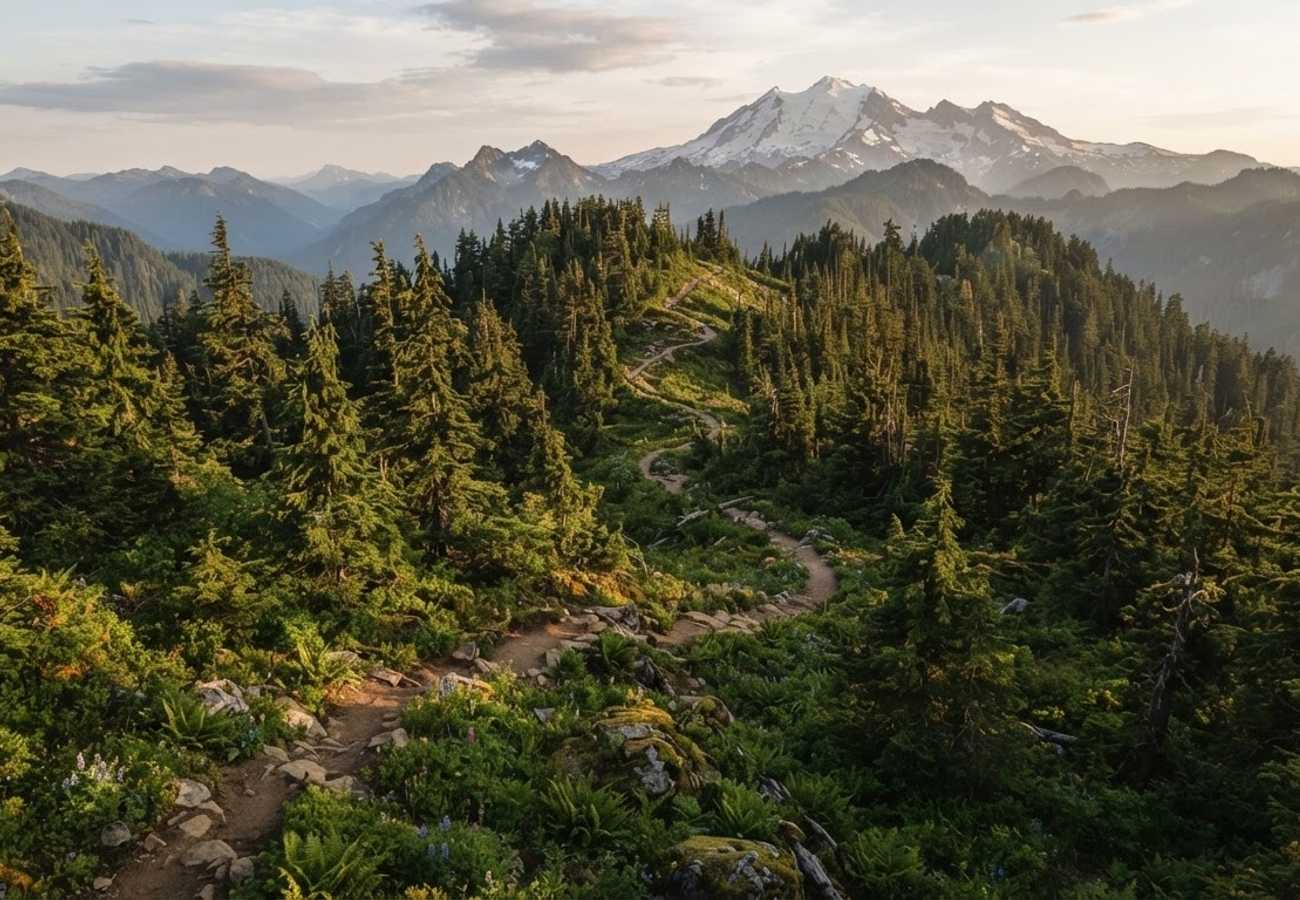
Image generated by AI
Digital creators are now the primary drivers of visitor traffic to US nature trails, replacing traditional brochures with viral storytelling. This shift is triggering a critical tension between rural economic expansion and the ecological preservation of fragile landscapes.
The Shift in Outdoor Tourism Discovery
The mechanism for discovering US hiking routes, forests, and protected areas has undergone a systemic change. Analysis indicates that a single short-form video or creator recommendation can now transform an obscure landscape into a global attraction overnight.
This digital transition is particularly potent in nature tourism due to the high visual appeal of waterfalls, coastal paths, and mountain peaks. For rural communities and small-scale tourism boards, this provides a competitive edge, allowing lesser-known destinations to bypass traditional marketing budgets and reach international audiences through authentic visual storytelling.
Data-Driven Visitor Management
Government agencies and conservation authorities are pivoting their monitoring strategies to account for social media-driven surges. Traditional metrics—such as ticketing and manual surveys—are often too slow to react to viral trends.
Our analysis of current tourism intelligence suggests that authorities are now utilizing location-based social media data to identify recreation patterns in real-time. This allows for more agile planning in several key areas:
- Infrastructure Scaling: Rapid deployment of trail maintenance in areas seeing sudden spikes.
- Flow Management: Redirecting visitors to alternative attractions to prevent bottlenecks.
- Safety Communication: Using the same platforms driving the traffic to issue urgent weather or terrain warnings.
- Conservation Campaigns: Partnering with influencers to disseminate "Leave No Trace" principles.
Environmental Risks of Viral Tourism
The "Instagram effect" creates a concentration of visitors at specific, photogenic viewpoints rather than distributing foot traffic across a broader region. This concentration leads to several documented ecological failures:
- Soil and Vegetation Damage: Severe erosion and the destruction of native flora due to overcrowding.
- Unauthorized Access: The creation of "social trails" as visitors deviate from marked paths to capture specific angles.
- Wildlife Disturbance: Increased human encroachment into sensitive habitats.
- Waste Management: Litter surges that exceed the capacity of remote site maintenance crews.
The debate over geotagging has become a central point of contention. While precise coordinates facilitate discovery, they often expose sensitive ecosystems to volumes of traffic they were never engineered to support.
Passenger and Visitor Advisory: Navigating the "Viral" Trail
For the traveler visiting a destination popularized by social media, the experience often differs from the curated content seen online. To ensure a legal and sustainable visit, we advise the following:
1. Verify Access and Permits Many "hidden gems" promoted by influencers are located on protected land requiring permits. Our analysis of park regulations suggests that visitors arriving without proper authorization face increasing fines and immediate expulsion from protected zones.
2. Adhere to Marked Trails Creating unofficial paths to reach a "perfect shot" is not only an environmental violation but can lead to liability issues. In many US jurisdictions, damaging protected vegetation can result in significant civil penalties.
3. Manage Expectations on Capacity If a location has gone viral, expect overcrowding. We recommend checking real-time crowd-sourced data or official park alerts before departing to avoid safety hazards associated with over-capacity trails.
4. Support Local Economies To mitigate the negative impact of "hit-and-run" tourism, visitors should utilize local guides and businesses, ensuring the economic benefit of the visit outweighs the environmental cost.
Industry Analyst View: The Balance of Visibility
The trajectory of outdoor tourism in 2026 is not a binary choice between promotion and preservation. The most successful destinations are those implementing a "Strategic Influence" model.
By partnering with creators to promote seasonal experiences and alternative, less-fragile routes, tourism boards can spread the economic windfall across a wider geographic area. The objective has shifted from maximizing raw visitor numbers to attracting "high-value, low-impact" travelers who prioritize conservation over content.
The future of the US trail system depends on whether digital visibility can be decoupled from ecological degradation. Without integrated visitor capacity planning and sustainable infrastructure, the very beauty that drives influencer content will be erased by the traffic it generates.
The era of the hidden gem is over; the era of managed visibility has begun.
Related Travel Guides
Disclaimer
This article is for informational and educational purposes only. It does not constitute legal, financial, or professional advice. While we strive to provide accurate and up-to-date information, travel policies, regulations, and conditions change rapidly. Always verify information with official sources before making travel decisions. Nomad Lawyer makes no representations about the accuracy, reliability, completeness, or suitability of the information provided. Readers should consult qualified professionals for advice specific to their circumstances. The views expressed in this article are those of the author and do not necessarily reflect the views of Nomad Lawyer.
Preeti Gunjan
Contributor & Community Manager
A passionate traveller and community builder. Preeti helps grow the Nomad Lawyer community, fostering engagement and bringing the reader experience to life.
Learn more about our team →