
Amsterdam Raises Tourist Tax to 20% by 2030 and Closes Cruise Terminal in Historic Overturn
Amsterdam's new coalition government is radically reshaping tourism with a 20% tax increase by 2030, cruise terminal closure, and business buyouts to combat overtourism and protect resident quality of life.

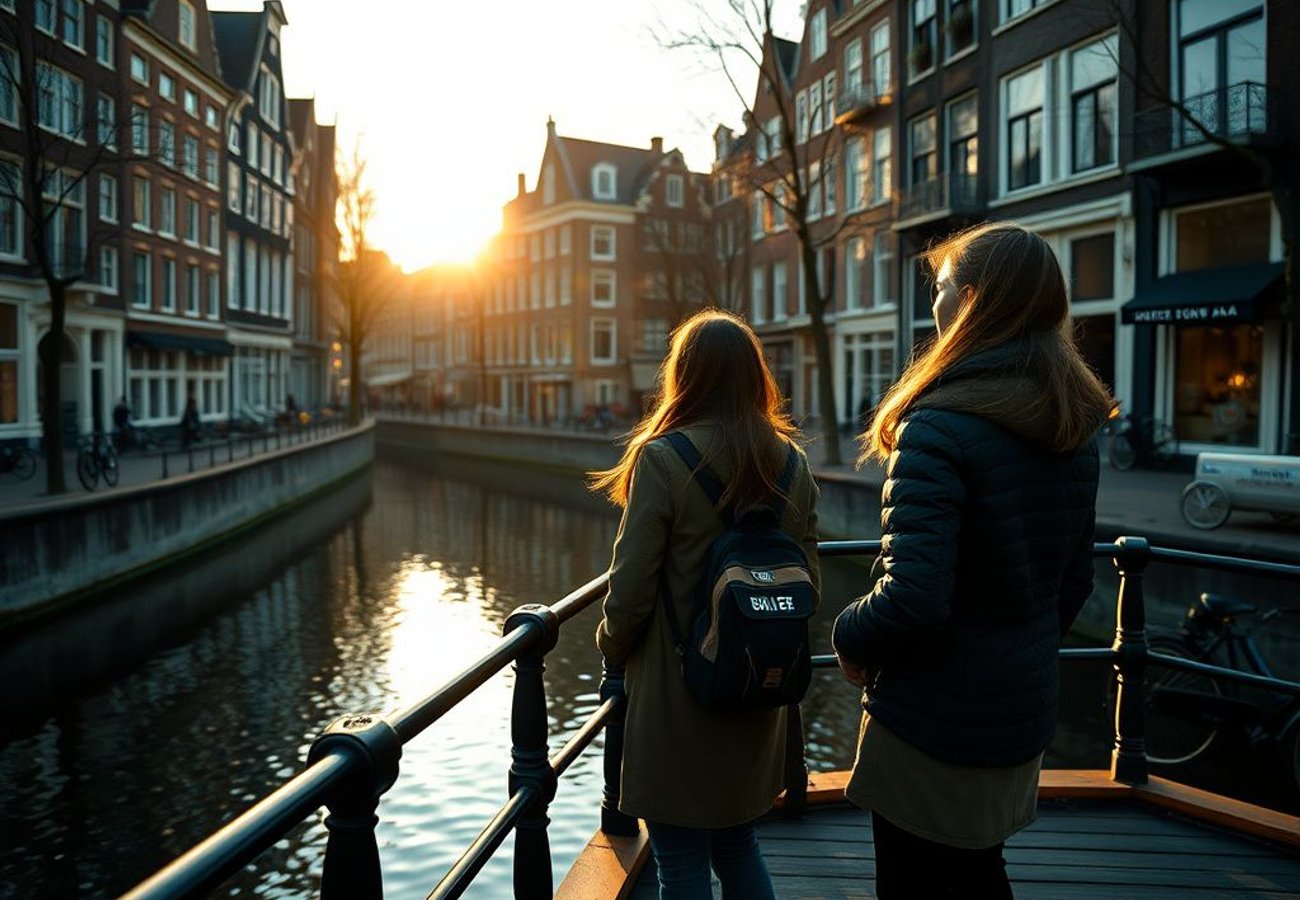
Image generated by AI
Amsterdam Takes Radical Stand Against Overtourism
Amsterdam is about to become significantly more expensive for visitors—and considerably quieter for residents. The Dutch capital's newly-formed coalition government unveiled sweeping tourism reforms this week that will fundamentally reshape how the city manages visitor volume and revenue.
The headline measure? Hiking the tourist tax from today's 12 percent to a staggering 20 percent by 2030. But that's just the opening move in what amounts to Europe's most aggressive overtourism crackdown to date.
The Tax Escalation Timeline
The increase isn't sudden—it's a calculated climb designed to gradually discourage mass tourism without creating economic shock.
The plan unfolds as follows: next year, the overnight accommodation tax jumps to 16 percent, then rises by one percentage point annually through 2030. Meanwhile, day visitors already pay a separate €15 tourist tax, which the city is now considering raising through an expanded entertainment levy targeting canal boat tours, rentals, and water-based activities.
Amsterdam currently levies one of Europe's highest tourist taxes. This new framework will make it the continent's most expensive destination for overnight stays—a deliberate strategy to reduce visitor numbers while funding cleaner, safer streets.
Reddit: "Amsterdam's basically pricing out middle-class tourists. Only trust fund kids and corporate retreats will afford it." — r/travel
The Cruise Terminal Closure: A First for Major Cities
Here's where Amsterdam gets radical: the city plans to close its cruise terminal entirely.
The coalition agreement explicitly states it wants to "end the option to reach Amsterdam by sea cruise" and will negotiate alternatives with national and regional authorities. This represents an extraordinary step for a major European port city—essentially saying: we don't want your massive floating hotels anymore.
Cruise ships have become symbolic of overtourism, dumping thousands of day-trippers into historic city centers. Amsterdam's move signals a decisive rejection of that model, even at the cost of docking fees and port revenue.
Buying Out the City Centre
Beyond taxation and terminal closure, Amsterdam plans to purchase buildings and businesses in the city centre as part of its broader transformation strategy. The coalition government views commercial property acquisition as a tool to reshape tourism geography—essentially taking control of what businesses operate where.
This is unusual territory for municipal policy. Rather than regulate through zoning or licensing alone, Amsterdam is putting capital directly into land and business ownership. The goal: reduce pressure from tourism by fundamentally restructuring the commercial landscape in historic areas.
What the Revenue Actually Funds
The coalition agreement is explicit about where money flows: additional tourist tax revenue will be dedicated to making Amsterdam "cleaner, safer and more liveable for residents and visitors."
This reframes tourism taxation as an infrastructure investment rather than pure revenue grab. City officials argue that tourism creates genuine costs—congestion, waste management, public space degradation, safety concerns—so visitors should help fund mitigation.
As the coalition stated: "Amsterdam remains an attractive destination for visitors from all over the world. Tourism contributes to the city's economy, but at the same time places significant pressure on public spaces, quality of life and municipal facilities."
The framing matters. Amsterdam isn't rejecting tourism—it's repositioning it as a premium, managed experience rather than mass-market commodity.
Why This Matters for Global Tourism Policy
Amsterdam's approach signals a critical shift in how European cities handle visitor saturation. Barcelona has experimented with visitor caps; Venice has implemented entry fees and crowd management; but Amsterdam is the first major city to combine aggressive taxation, terminal closure, and property acquisition into a coordinated anti-overtourism strategy.
The precedent could ripple across Europe. If Amsterdam successfully reduces cruise arrivals and day-tripper volumes while maintaining economic health, other saturated destinations will likely follow. If the policy tanks tourism revenue without improving livability, the political blowback could be equally dramatic.
The Resident Perspective
Amsterdam's long-suffering residents have been vocal about tourism impacts. Housing affordability has plummeted as short-term rentals cannibalize long-term stock. Noise, safety, and public space crowding have become political flashpoints.
The coalition's measures directly address these grievances. By pricing out budget travelers, eliminating cruise arrivals, and buying out tourist-focused businesses, the city is signaling that resident welfare takes priority over maximum visitor volume.
This represents a philosophical reversal from decades of tourism-as-growth-engine thinking. Amsterdam is essentially saying: we have enough tourists. What we need is livability.
When Does This Take Effect?
The timeline is gradual but certain. Tax increases begin next year and climb annually. The cruise terminal closure requires negotiation with national authorities but appears inevitable. Property acquisition can begin immediately, though large-scale purchases will take years.
Expect to see the full impact—reduced cruise ships, fewer budget day-trippers, higher accommodation costs—fully realized by 2030.
What This Means for Your Amsterdam Trip
If you're planning a visit, the math changes dramatically. Budget travelers should prioritize the next 2-3 years before the 16 percent tax hits. Premium travelers may find fewer crowds and improved public spaces as early as 2027-2028.
The cruise terminal closure won't affect air or rail travelers, but anyone arriving by ship should research alternatives immediately. River cruise itineraries will need fundamental redesign.
The Broader European Context
Amsterdam's moves aren't isolated. Across Europe, cities are reassessing tourism's true cost. Overtourism has become a measurable policy problem, not just local complaint.
Yet Amsterdam's approach is more confrontational than most. Rather than gentle capacity management, the city is using taxation and infrastructure denial to fundamentally reshape who visits and how they arrive.
Success requires political will. And success here would represent a watershed moment in global tourism governance.
Amsterdam just declared war on overtourism—and the whole world is watching.
Related Travel Guides
Disclaimer
This article is for informational and educational purposes only. It does not constitute legal, financial, or professional advice. While we strive to provide accurate and up-to-date information, travel policies, regulations, and conditions change rapidly. Always verify information with official sources before making travel decisions. Nomad Lawyer makes no representations about the accuracy, reliability, completeness, or suitability of the information provided. Readers should consult qualified professionals for advice specific to their circumstances. The views expressed in this article are those of the author and do not necessarily reflect the views of Nomad Lawyer.
Preeti Gunjan
Contributor & Community Manager
A passionate traveller and community builder. Preeti helps grow the Nomad Lawyer community, fostering engagement and bringing the reader experience to life.
Learn more about our team →