
Malaysia UNESCO Biospheres: Fourth Reserve Transforms Sustainable Tourism
Malaysia's Kinabatangan region earns UNESCO Biosphere Reserve status in 2026, becoming the country's fourth protected ecosystem. The designation positions Malaysia as a global leader in sustainable travel with interconnected conservation zones.

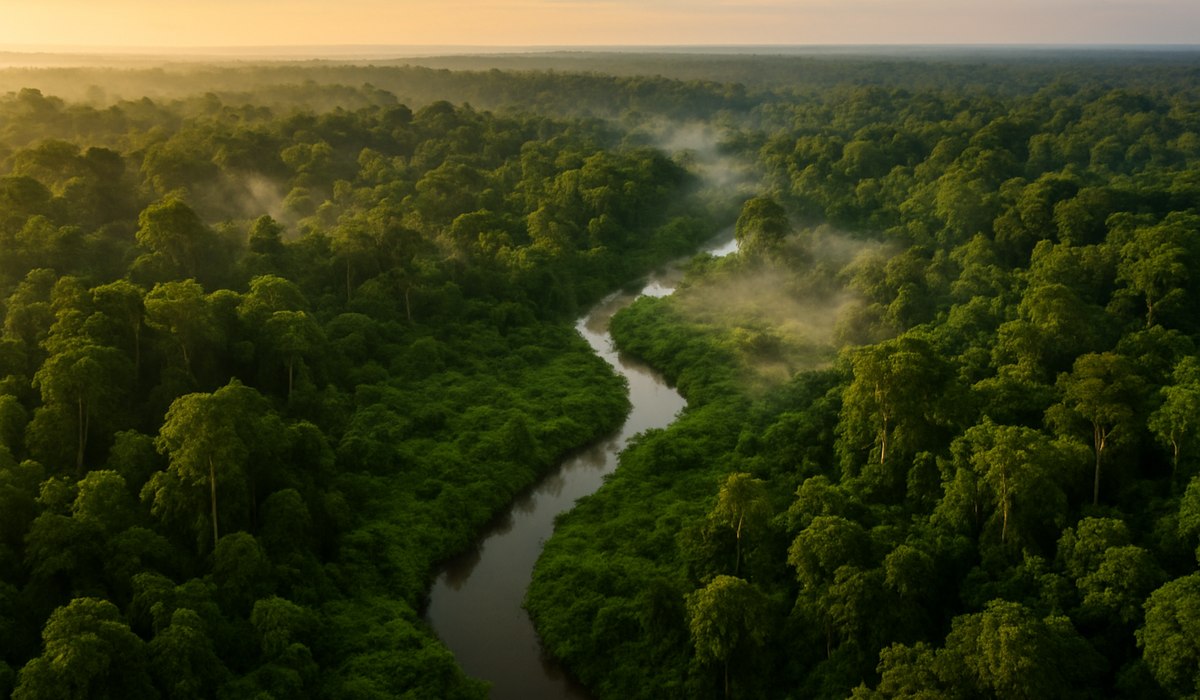
Image generated by AI
Malaysia's Fourth UNESCO Biosphere Reserve Redefines Eco-Tourism Leadership
The Kinabatangan region in Sabah officially joined Malaysia's UNESCO Biosphere Reserve network in late 2025, establishing the country as a premier sustainable travel destination. This designation makes Kinabatangan the fourth UNESCO-recognized biosphere reserve in Malaysia, complementing existing protected zones in Tasik Chini (Pahang), Crocker Range (Sabah), and Penang Hill (Penang Island). The recognition, endorsed during UNESCO's coordinating council session in Hangzhou, positions Malaysia at the forefront of international conservation tourism. The 400,000-hectare Kinabatangan reserve encompasses lowland rainforests, wetlands, and rural communities along one of Borneo's longest rivers—creating an interconnected ecosystem corridor that stretches from interior forests to coastal wetlands.
Kinabatangan Joins Malaysia's UNESCO Biosphere Reserve Network
The Kinabatangan Biosphere Reserve represents a watershed moment for Malaysia UNESCO biospheres and regional conservation. This protected landscape spans critical habitat corridors connecting the Heart of Borneo's pristine forests with eastern Sabah's biodiversity hotspots. The reserve was one of 26 new biosphere reserves designated globally during the UNESCO session, underscoring Malaysia's commitment to integrated conservation and sustainable development.
The designation recognizes Kinabatangan's exceptional ecological value and community-centered approach to protection. Local villages, research institutions, and tourism operators collaborate within UNESCO's zoning framework—combining strictly protected core areas with buffer zones where sustainable activities flourish. For travelers, this means access to regulated wildlife experiences designed to benefit both conservation and local economies simultaneously. The reserve's formal status establishes clear tourism guidelines, visitor capacity limits, and revenue-sharing mechanisms that strengthen community engagement and environmental stewardship throughout the region.
Four Interconnected Ecosystems Spanning Lowlands to Montane Forests
Malaysia's UNESCO biosphere reserves create a comprehensive network of protected landscapes representing diverse elevation zones and habitat types. This integrated system demonstrates the country's commitment to ecosystem connectivity and regional biodiversity preservation across Peninsular Malaysia and Sabah.
Tasik Chini in Pahang encompasses freshwater lakes, peat swamps, and lowland forests supporting endemic fish species and birdlife. The biosphere reserve has pioneered community-based eco-tourism models where indigenous Orang Asli communities guide visitors through traditional territories while maintaining cultural practices.
Crocker Range protects Borneo's montane forest block, safeguarding critical watershed functions and endemic plant species. Trekking routes traverse cloud forests and alpine meadows, offering travelers experiences linked directly to water security for downstream communities.
Penang Hill represents an innovative peri-urban biosphere reserve where forest fragments coexist with urban development. This model demonstrates sustainable tourism integration within densely populated regions, providing accessible nature experiences without compromising conservation objectives.
Kinabatangan completes the network with its lowland floodplain ecosystems, wildlife corridors, and primate habitats. Together, these four reserves span Malaysia's geographic and ecological diversity, offering sophisticated travelers curated itineraries across complementary protected landscapes.
Why UNESCO Biosphere Status Matters for Sustainable Tourism
UNESCO Biosphere Reserves function differently from World Heritage Sites. While Heritage designations emphasize outstanding universal values, biosphere reserves operate as living laboratories testing sustainable development alongside conservation. This distinction profoundly impacts visitor experiences and tourism sustainability.
The biosphere model recognizes that communities, agriculture, and tourism can coexist within protected areas through careful zoning. Core zones receive strict protection, buffer areas allow regulated research and limited tourism, and transition zones integrate human settlements and economic activity. For travelers, this translates into structured experiences—guided walks led by trained local naturalists, citizen science participation opportunities, and homestays integrated into conservation frameworks.
Periodic UNESCO evaluations create accountability mechanisms that encourage continuous improvement. Local managers and tourism operators maintain high standards knowing their biosphere status depends on demonstrated conservation outcomes. This built-in incentive system benefits visitors through reliable environmental credentials, transparent operations, and tourism revenue explicitly channeled into habitat restoration, species protection, and environmental education programs.
Malaysia UNESCO biospheres particularly excel at benefit-sharing models where visitor fees directly support indigenous communities and local conservation initiatives. This approach attracts purpose-driven travelers seeking authentic engagement and measurable positive impact, rather than passive observation.
Planning Your Visit to Malaysia's Protected Landscapes
Travelers interested in sustainable tourism across Malaysia's biosphere reserves should consider integrated multi-reserve itineraries maximizing conservation outcomes and regional development benefits.
Kinabatangan-focused experiences begin with river lodges offering guided dawn and dusk cruises. Bornean orangutans, proboscis monkeys, pygmy elephants, and eight hornbill species inhabit the floodplain forests. Professional wildlife guides trained in conservation principles lead boat expeditions focused on responsible viewing practices, photography, and habitat interpretation.
Multi-reserve circuits combine Kinabatangan's lowland ecosystems with Crocker Range's montane forests—accessible via Sabah's tourism infrastructure. This pairing demonstrates ecological connectivity while showcasing elevation-dependent biodiversity. Visitors experience both wildlife encounters and watershed conservation in singular coherent narratives.
Extended trips incorporating Tasik Chini and Penang Hill require regional planning. Tasik Chini's freshwater ecosystems offer birdwatching and indigenous-guided experiences, while Penang Hill provides accessible forest recreation near urban centers. Combining multiple reserves typically requires 2-3 weeks and professional itinerary planning through specialized eco-travel operators.
Booking through certified tourism providers affiliated with biosphere management authorities ensures revenue benefits local communities directly. Many reserves offer homestay accommodations, volunteer opportunities, and citizen science projects extending beyond conventional tourism services.
Malaysia UNESCO Biospheres: Key Facts and Figures
| Biosphere Reserve | Location | Designation Year | Total Area (hectares) | Primary Ecosystems | Key Species |
|---|---|---|---|---|---|
| Kinabatangan | Sabah | 2025 | 400,000+ | Lowland forests, floodplains, wetlands | Orangutans, proboscis monkeys, pygmy elephants, hornbills |
| Crocker Range | Sabah | 2008 | 139,919 | Montane forests, cloud forests, alpine meadows | Endemic plants, mountain eagles, wild boar |
| Tasik Chini | Pahang | 2009 | 135,075 | Freshwater lakes, peat swamps, lowland forests | Endemic fish species, migratory birds, water monitors |
| Penang Hill | Penang | 2014 | 4,863 | Peri-urban forests, mixed dipterocarp woodland | Flying lemurs, hornbills, endemic tree species |
| Global Biosphere Reserves (2025) | Worldwide | Ongoing | Varies | Diverse ecosystems | Multiple endemic species per reserve |
| Malaysia's Global Ranking | Southeast Asia | 2026 | — | 4 integrated reserves | Represents 2.4% of global network |
What This Means for Travelers
Malaysia's expanded UNESCO biosphere reserves network creates unprecedented opportunities for purpose-driven travelers seeking authentic conservation engagement. Here are actionable considerations for planning your visit:
1. Choose certified operators: Select tour companies officially recognized by biosphere management authorities. These operators maintain conservation standards and channel revenue directly to local communities and habitat protection programs.
2. Plan multi-reserve experiences: Combine 2-3 reserves for comprehensive ecosystem understanding. Kinabatangan's lowland forests paired with Crocker Range's montane zones demonstrate ecological connectivity and biodiversity across elevation zones.
3. Extend your timeline: Allocate 5-7 days minimum per reserve
Disclaimer
This article is for informational and educational purposes only. It does not constitute legal, financial, or professional advice. While we strive to provide accurate and up-to-date information, travel policies, regulations, and conditions change rapidly. Always verify information with official sources before making travel decisions. Nomad Lawyer makes no representations about the accuracy, reliability, completeness, or suitability of the information provided. Readers should consult qualified professionals for advice specific to their circumstances. The views expressed in this article are those of the author and do not necessarily reflect the views of Nomad Lawyer.
Preeti Gunjan
Contributor & Community Manager
A passionate traveller and community builder. Preeti helps grow the Nomad Lawyer community, fostering engagement and bringing the reader experience to life.
Learn more about our team →