
American Airlines Passengers Report Biohazard Cleanup Failure Using Vodka on Vomit-Soiled Seats
Passengers on an American Airlines flight report a disturbing cabin experience involving vomit-soiled seats and a cleanup attempt using Tito's vodka and aerosolized alcohol.

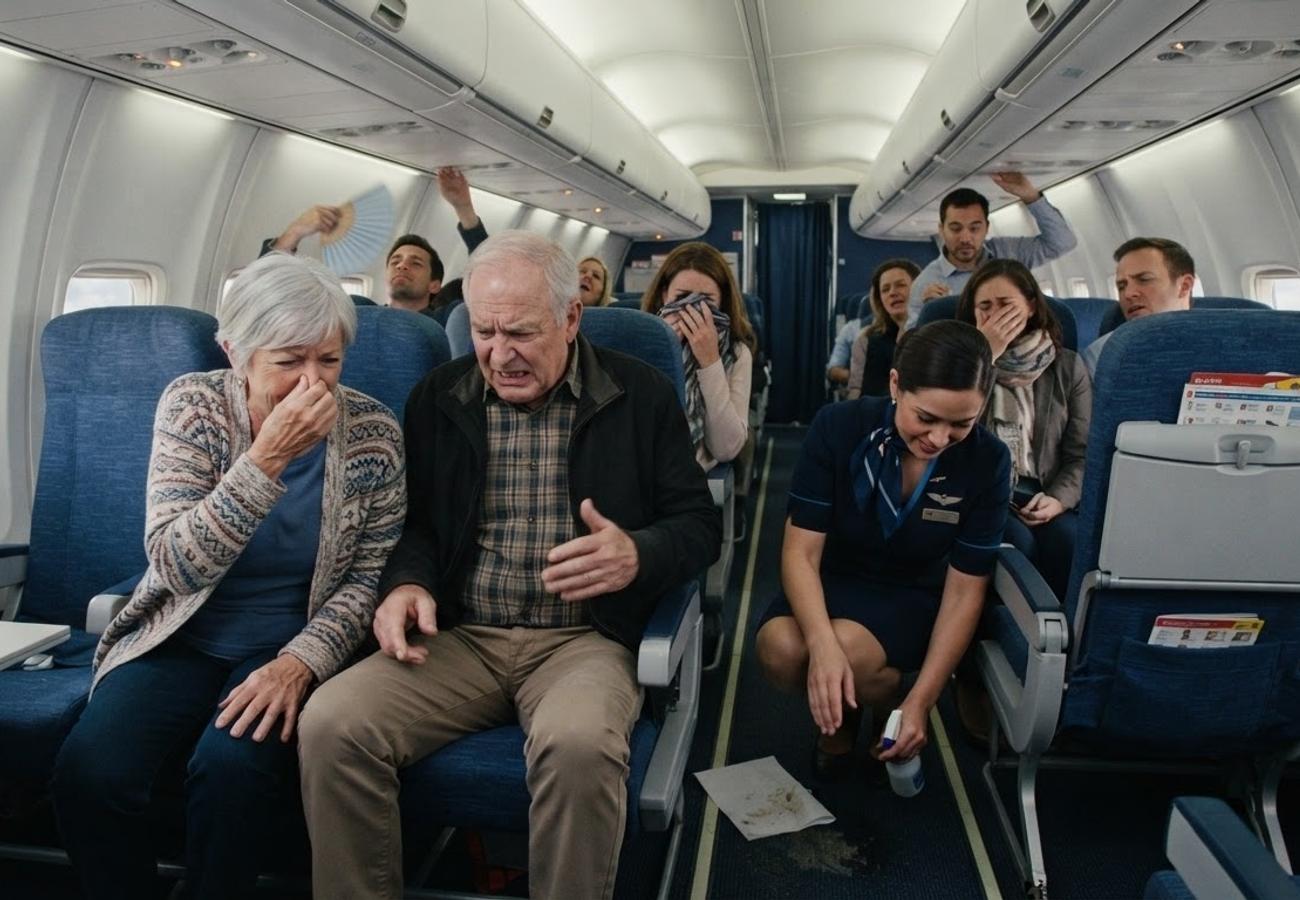
Image generated by AI
The expectation of a sanitary cabin is a baseline requirement for air travel, yet a recent incident on an American Airlines flight has raised serious questions regarding the carrier's adherence to biohazard protocols. A passenger report detailing the discovery of vomit-soiled seating and a subsequent unconventional cleaning attempt has sparked widespread concern over passenger health and safety.
The incident, which surfaced via a detailed Reddit account, describes a scenario where standard aviation hygiene was allegedly replaced by improvised and hazardous cleaning methods.
Biohazard Discovery and Improvised Cleaning
The situation began when a passenger and his pregnant wife boarded their flight and immediately noticed a pungent odor. Upon standing up, they discovered "chunks of vomit" on the seat. When a flight attendant inspected the area by lifting the seat cushion, they reportedly found vomit covering the underside and embedded within the metal hardware of the seat frame.
According to the passenger, the initial response from the crew was highly irregular. The traveler claims a flight attendant attempted to sanitize the area using a miniature bottle of Tito's vodka.
Escalation of Cabin Contamination
As the flight progressed, the cleanup efforts allegedly shifted from improvised spirits to industrial sprays, though the results were reportedly detrimental:
- Initial Maintenance Attempt: Workers used paper towels and a spray that the passenger claims caused the vomit to dissolve and drip onto the floor beneath the seats.
- Aerosolized Alcohol Application: Subsequent maintenance staff arrived with a pump sprayer containing a high-concentration alcohol solution.
- Passenger Respiratory Distress: The aerosolized fumes quickly saturated the cabin. The passenger described the air as "breathing Everclear," noting that several nearby travelers began coughing.
- Medical Concerns: The passenger's pregnant wife reportedly became lightheaded and distressed, while another passenger requested an oxygen mask due to the intensity of the fumes.
Because the flight was operating at full capacity, the affected passengers were not relocated and were instead instructed to remain in the soiled seats and file a formal complaint via the American Airlines website.
Industry Standards vs. Reported Reality
The reported actions contrast sharply with established health guidelines for aviation. According to the Centers for Disease Control and Prevention (CDC), vomit is treated as potentially infectious material.
Standard biohazard protocols require a specific sequence of actions to ensure passenger safety:
- Containment: Soft surfaces, such as seat cushions, must be covered with absorbent material and contained.
- Disinfection: Hard surfaces (tray tables, walls) must be cleaned and then disinfected using approved agents.
- Disposal: All contaminated materials must be placed in designated biohazard bags for professional disposal.
- Deep Cleaning: Flight crews must notify ground personnel to perform a comprehensive decontamination after landing.
American Airlines' Stated Hygiene Commitments
This incident occurs despite American Airlines holding Global Biorisk Advisory Council (GBAC) STAR accreditation for its fleet and Admirals Club lounges, a designation earned in December 2020.
The airline has previously stated that its cleaning program utilizes Environmental Protection Agency (EPA)-approved products to protect both team members and customers. Their official policy maintains that planes undergo careful cleaning before every flight—specifically targeting high-touch areas like seat buckles and tray tables—with deeper cleaning performed nightly on all aircraft.
However, the disparity between these corporate standards and the experience described by the passenger suggests a potential failure in the execution of these protocols during tight aircraft turnaround windows.
Passenger Impact and Industry Implications
The reaction from the travel community has been one of disbelief, with many questioning the "unhinged" logic of using vodka to treat a biohazard. This event, coupled with the airline's low water safety score for 2026, highlights a growing tension between airline efficiency (fast turnarounds) and the fundamental right to a sanitary travel environment.
For passengers, this serves as a reminder to inspect seating areas immediately upon boarding and to document any sanitary failures for potential compensation or formal complaints.
The gap between accreditation and actual cabin hygiene remains a critical point of contention for modern travelers.
Related Travel Guides
Disclaimer
This article is for informational and educational purposes only. It does not constitute legal, financial, or professional advice. While we strive to provide accurate and up-to-date information, travel policies, regulations, and conditions change rapidly. Always verify information with official sources before making travel decisions. Nomad Lawyer makes no representations about the accuracy, reliability, completeness, or suitability of the information provided. Readers should consult qualified professionals for advice specific to their circumstances. The views expressed in this article are those of the author and do not necessarily reflect the views of Nomad Lawyer.
Kunal K Choudhary
Co-Founder & Contributor
A passionate traveller and tech enthusiast. Kunal contributes to the vision and growth of Nomad Lawyer, bringing fresh perspectives and driving the community forward.
Learn more about our team →