
Delta Air Lines Passenger Safety Concerns Rise After Gold Medallion Member Forced Into Contorted Seating in 2026
A Gold Medallion member's experience with Delta Air Lines highlights growing tensions over seating policies and emergency evacuation risks involving plus-size passengers in 2026.

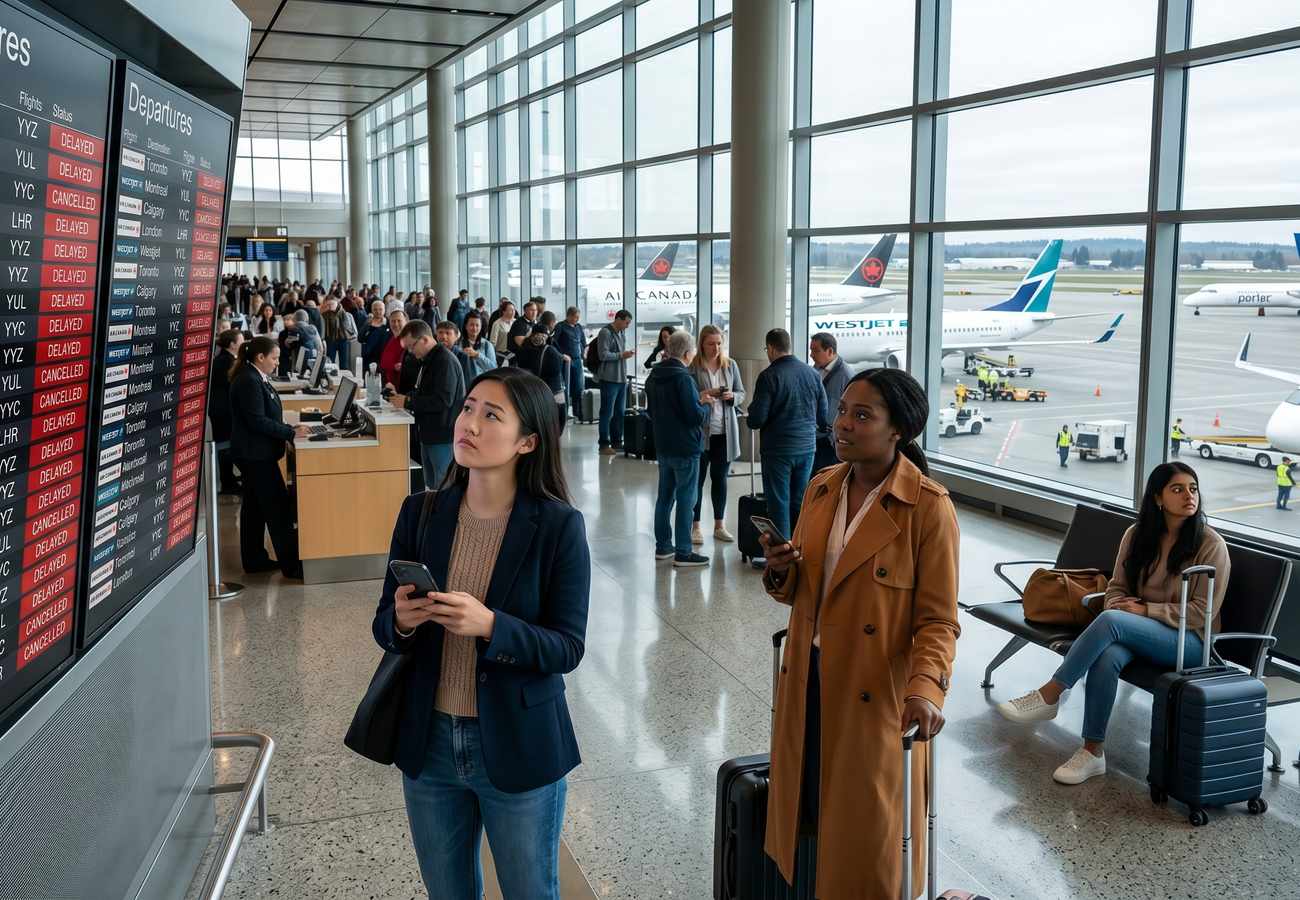
Image generated by AI
A high-tier loyalty member's recent flight experience has sparked a wider conversation about the intersection of passenger comfort, airline policy, and critical safety protocols during emergencies.
The incident occurred during a period of significant operational stress for Delta Air Lines, as severe weather conditions triggered widespread flight cancellations across the carrier's four major hubs. For one Gold Medallion member, the disruption extended beyond the schedule and into the cabin.
The Local Trend Revealed: The Conflict of Cabin Space
The passenger detailed an experience on Reddit where he found himself physically compressed against a seatmate described as being six feet tall and weighing between 450–500 lbs. According to the account, the passenger boarded first and immediately recognized the space constraint. Despite requesting a seat change from the flight attendant (FA) early in the boarding process, he was instructed to wait until all passengers had entered the aircraft.
Once the gates closed, the passenger observed vacant Comfort+ seats. However, the flight attendant denied the request to move, stating that all upgrades were finalized and the crew needed to prepare for takeoff. The passenger described his position as "contorted," sitting on his left hip with his body pressed against the window, unable to access under-seat luggage or deploy his tray table.
This situation highlights a growing trend of "seat audacity" and the friction between rigid crew instructions and the physical realities of passenger size in modern aircraft cabins.
Cultural & Environmental Value: Safety and Accessibility
The incident has shifted from a matter of comfort to a debate on aviation safety. Community responses and aviation enthusiasts have pointed out that seating arrangements are not merely about luxury but are tied to the Federal Aviation Administration (FAA) and international safety standards regarding emergency evacuations.
When a passenger is unable to move freely or requires assistance to stand, it creates a potential bottleneck during a time-critical evacuation. This raises questions about the effectiveness of current airline policies regarding "Customers of Size."
| Policy Aspect | Delta Air Lines Approach | Impact on Passenger Experience |
|---|---|---|
| Extra Seat Requirement | Not required; recommended if encroaching on others. | High variability in seat comfort and space. |
| Seatbelt Extenders | Provided upon request. | Ensures basic safety but not physical space. |
| Crew Discretion | Case-by-case basis via Contract of Carriage. | Can lead to inconsistent application of comfort rules. |
| Safety Threshold | Travel may be denied if safe evacuation is impossible. | Critical safety trigger that is rarely invoked at the gate. |
By referencing Delta’s own Contract of Carriage, critics argue that the airline's discretion should favor safety over "upgrade" logistics. The goal is to move toward a more inclusive and safe environment where both the plus-size traveler and their seatmate are positioned to exit the aircraft rapidly in an emergency.
Visitor Insider Tips: Navigating Cabin Constraints
For frequent flyers and nomads who often find themselves in tight cabin configurations, these practical strategies can mitigate seating stress:
- The Early Intervention Rule: If you notice a seating conflict during boarding, document the request immediately. If a flight attendant asks you to wait, politely ask for a specific empty seat number you have identified to make the transition easier once boarding closes.
- Understanding "Customer of Size" Policies: Be aware that different carriers have different rules. While some require the purchase of a second seat, others like Delta leave it as a recommendation. If you anticipate needing more space, purchasing an extra seat in advance is the only way to guarantee it.
- Safety First Language: When requesting a seat change for space reasons, frame the request around "safety and evacuation access" rather than "comfort." Crew members are trained to prioritize safety over preference.
- Documentation for Compensation: If you are forced to remain in a contorted or unsafe position despite available seating, take a photo of the empty seats and the situation. This is essential for filing a formal complaint or requesting mileage/voucher compensation post-flight.
Tourism Outlook
The long-term impact of these incidents is a push for more standardized "inclusive seating" across the US aviation industry. As passengers become more vocal about safety risks associated with overcrowding, airlines may be forced to move away from "recommendations" and toward mandatory seat-allocation protocols for oversized passengers.
The focus is shifting toward a model where the airline takes proactive responsibility at the gate—rather than leaving it to the flight crew in the final minutes before takeoff—to ensure that every passenger has a clear, unobstructed path to the exit.
The balance between airline profitability and passenger safety remains a volatile flight path for the industry in 2026.
Related Travel Guides
Disclaimer
This article is for informational and educational purposes only. It does not constitute legal, financial, or professional advice. While we strive to provide accurate and up-to-date information, travel policies, regulations, and conditions change rapidly. Always verify information with official sources before making travel decisions. Nomad Lawyer makes no representations about the accuracy, reliability, completeness, or suitability of the information provided. Readers should consult qualified professionals for advice specific to their circumstances. The views expressed in this article are those of the author and do not necessarily reflect the views of Nomad Lawyer.
Preeti Gunjan
Contributor & Community Manager
A passionate traveller and community builder. Preeti helps grow the Nomad Lawyer community, fostering engagement and bringing the reader experience to life.
Learn more about our team →