
Biological Travel Chaos: American Airlines Flight Triggers Massive Hazmat Response at Washington DCA Following Severe Onboard Service Dog Incident
As terrifying airport disruptions paralyze US hubs, American Airlines delivers urgent airline news as a severe onboard biological hazard forces a massive hazmat response upon landing at Washington National.

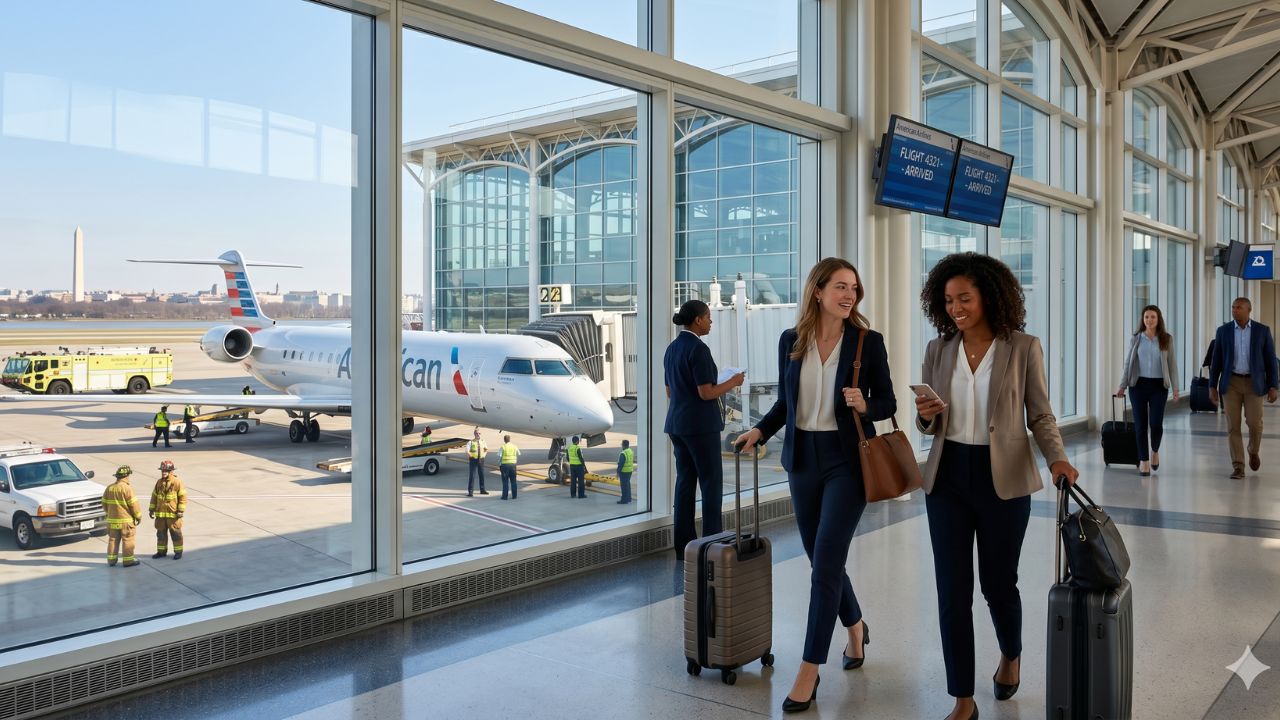
Image generated by AI
A Severe Biological Disruption Amidst Regional Terminal Panic
While massive sectors of the global passenger network frequently battle highly unpredictable extreme weather events, synchronized logistical bottlenecks, and horrific commercial fleet constraints, sudden onboard biological emergencies remain the absolute most terrifying catalyst for sudden airport disruptions. Delivering highly urgent, breaking airline news, verified North American aviation trackers confirm that a massive emergency protocol was actively triggered in the United States capital, aiming to completely secure vulnerable domestic commuters from severe travel chaos across the highly congested East Coast aviation network. Today, highly disruptive operational news forcefully emerged confirming that a regional American Airlines flight arriving at Ronald Reagan Washington National Airport (DCA) drew a massive, full-scale hazmat emergency response after a severe onboard service animal incident.
While desperate travelers usually attempt to navigate terrifying terminal friction caused by sudden flight cancellations and agonizing tarmac delays, these exclusive aviation updates reveal a highly systemic, incredibly intense logistical scramble attempting to contain a massive sanitary hazard within a confined aircraft. The flight, officially operated by PSA Airlines on behalf of American Airlines, originated from Nashville International Airport (BNA). Upon landing, the heavily compromised aircraft was immediately intercepted by specialized hazardous materials (hazmat) response units and rapid medical personnel to violently secure the cabin conditions and assess passenger health, completely shocking the terminal and highlighting the severe fragility of modern domestic air travel.
Expanded Overview: The Scale of the Onboard Crisis
The highly publicized execution of this massive regional emergency response serves as an undeniable example of how rapidly complex domestic transit can devolve into absolute terror when biological hazards erupt at altitude. During the highly pressurized flight between Nashville and Washington, a service dog reportedly experienced a sudden, severe medical episode and relieved itself directly inside the passenger cabin. Because the flight was actively utilizing a highly confined Bombardier CRJ700 regional jet, the limited internal airspace violently intensified the sanitary challenge.
The terrifying reality of modern transit in regional jets is the constant threat of total environmental collapse caused by foul odors spreading through the recycled air systems. The biological incident created an overwhelmingly strong, suffocating odor that severely affected multiple passengers trapped in the fuselage. Despite the massive discomfort and potential health risks, the incredibly professional crew members remained highly attentive, monitoring passengers’ deteriorating conditions while fighting to maintain standard in-flight safety protocols. The pilots immediately notified air traffic control and airline operations about the massive incident, fiercely requesting that emergency response personnel be fully staged and ready upon arrival.
Section-Wise Breakdown of the Biological Hazard Response
The Washington DCA Hazmat Interception
To completely contain the hazard, the pilots executed a massive operational push, landing the compromised Bombardier CRJ700 at Ronald Reagan Washington National Airport at exactly 2:37 p.m., achieving touchdown slightly ahead of schedule to expedite the rescue. Upon arrival at DCA, the aircraft did not experience standard disembarkation. Instead, elite emergency crews and heavily equipped medical personnel violently boarded the aircraft to secure the cabin environment. Individuals directly exposed to the massive sanitation incident were heavily examined on-site to detect any immediate respiratory distress or nausea. Miraculously, all passengers were found to be in stable condition, requiring absolutely no hospitalization, and were eventually allowed to safely evacuate the aircraft.
The Service Animal Policy Debate
Beyond the immediate travel chaos, this massive incident has violently sparked a renewed, highly aggressive discussion regarding service animal policies within the US airline industry. While legitimate service animals provide absolutely essential, life-saving support for travelers with severe disabilities, the regulatory landscape has become incredibly complex. Federal rules in the United States now place massive emphasis on verifying well-trained service animals while fiercely limiting the acceptance of highly unpredictable "emotional support" animals onboard. This terrifying incident violently underscores the absolute necessity of strict adherence to regulatory standards to prevent biological disasters from paralyzing massive commercial flights.
Seamless Operational Continuity
Despite the incredibly unusual and highly nauseating circumstances, American Airlines and PSA Airlines fiercely maintained total operational integrity. The massive victory in this chaotic event was that the aircraft’s scheduled landing was achieved without forcing a terrifying mid-air diversion, and the flight concluded without triggering massive cascading delays across the broader DCA network. The seamless collaboration between the cabin crew attempting to isolate the hazard at 30,000 feet and the ground responders waiting on the tarmac violently demonstrates the incredible preparedness of US carriers to handle biological threats without completely destroying network punctuality.
Verified Aviation Disruption and Response Data
To fully comprehend the massive operational scale and strategic deployment dictating this highly disruptive hazmat interception, the following mandatory table explicitly details the exact performance metrics dictating the American Airlines emergency response today:
Complete American Airlines Flight Disruption Breakdown
While regional networks suffer massive cancellations, this strategic response successfully contained an onboard biological hazard.
| Elite Fleet Upgrade Metric | Verified Aviation Data | Direct Impact on Passenger Logistics |
|---|---|---|
| Airline Operator | American Airlines (by PSA Airlines) | Regional carrier managed the massive biological incident. |
| Aircraft Model Deployed | Bombardier CRJ700 | Highly confined regional jet intensified the cabin odor. |
| Flight Routing | Nashville (BNA) to Washington (DCA) | Crucial domestic corridor hit by sudden sanitary crisis. |
| Emergency Catalyst | Service Dog Medical Episode | Animal relieved itself, creating a massive biological hazard. |
| Flight Landing Status | Landed 2:37 p.m. (Ahead of Schedule) | Pilots accelerated approach to expedite the hazmat rescue. |
| Operational Impact | No Mid-Air Diversion | Aircraft safely reached destination despite cabin conditions. |
| Ground Response Protocol | Hazmat Teams & Medical Personnel | Boarded immediately to assess and clear the contaminated cabin. |
| Passenger Health Status | No Hospitalizations Required | All exposed individuals stabilized and evacuated safely. |
Passenger Impact: Escaping the Contaminated Cabin
For the modern domestic commuter attempting to navigate this highly volatile network, the passenger impact of leveraging this highly disruptive emergency response is completely terrifying. Reliable, biologically safe cabin environments are the absolute backbone of surviving domestic transit, and this sudden biological hazard completely shattered that promise against the threat of in-flight disruptions.
Immediate Strategies for Global Passengers:
- Anticipate Hazmat Delays: By aggressively understanding that sudden biological events require massive hazmat interceptions, stranded corporate executives caught in similar situations must remain seated and physically avoid the contaminated zone until medical professionals officially clear the cabin for evacuation.
- Monitor Animal Policies: Corporate travelers are aggressively urged to actively report any suspicious or completely uncontrolled animal behavior to flight attendants prior to takeoff, as unverified support animals frequently trigger massive logistical nightmares at altitude.
- Prepare for Odor Hazards: Passengers traveling on highly confined regional jets like the CRJ700 should aggressively consider carrying personal N95 masks or essential oils, providing a vital first line of defense against sudden, suffocating biological odors that can completely ruin a flight.
Conclusion: A Highly Strategic Hazmat Triumph
The massive, highly publicized biological emergency executed on this American Airlines flight represents a massive, incredibly terrifying wake-up call for the US aviation sector. By actively demonstrating that aggressive strategic coordination between pilots, cabin crew, and elite airport hazmat teams can instantly shield passengers from the massive wave of health hazards destroying confined aircraft, this initiative completely validates domestic safety protocols. As executive leadership continues to heavily debate massive revisions to service animal regulations, high-tier corporate travelers are heavily urged to actively prepare for their journeys by fiercely adapting to the reality of unexpected biological disruptions, completely trusting the massive emergency networks designed to rescue them from unprecedented travel chaos.
Key Takeaways
- Massive Biological Hazard: An American Airlines flight (operated by PSA Airlines) suffered a severe onboard sanitary crisis after a service dog relieved itself during transit.
- Confined Cabin Crisis: The incident occurred on a Bombardier CRJ700 regional jet, violently intensifying the suffocating odor for all passengers onboard.
- Aggressive Hazmat Interception: The flight landed at Washington DCA at 2:37 p.m., where it was immediately boarded by elite hazmat and medical teams.
- Total Operational Success: Despite the terrifying cabin conditions, the pilots successfully completed the flight without a mid-air diversion, and absolutely no passengers required hospitalization.
- Passenger Survival Tactics: Travelers caught in sudden biological aviation disruptions are aggressively urged to remain calm, avoid the hazard zone, and strictly follow hazmat evacuation orders to completely avoid secondary contamination.
Disclaimer: The specific flight landing times, aircraft models, and emergency response protocols presented in this report are based on verified operational data released regarding the American Airlines incident in June 2026. Official airline animal policies, specific emergency operations, and hazmat staging procedures are highly volatile and subject to continuous, real-time update based on active federal investigations and airport regulatory changes. Prospective passengers are urgently advised to fiercely monitor active airline service animal regulations directly via official carrier portals prior to airport arrival.
Disclaimer
This article is for informational and educational purposes only. It does not constitute legal, financial, or professional advice. While we strive to provide accurate and up-to-date information, travel policies, regulations, and conditions change rapidly. Always verify information with official sources before making travel decisions. Nomad Lawyer makes no representations about the accuracy, reliability, completeness, or suitability of the information provided. Readers should consult qualified professionals for advice specific to their circumstances. The views expressed in this article are those of the author and do not necessarily reflect the views of Nomad Lawyer.
Kunal K Choudhary
Co-Founder & Contributor
A passionate traveller and tech enthusiast. Kunal contributes to the vision and growth of Nomad Lawyer, bringing fresh perspectives and driving the community forward.
Learn more about our team →