
Europe Tightens Short-Term Rental Laws as Croatia and Spain Combat Housing Crises
Croatia joins Spain and Portugal in implementing strict short-term rental controls to combat overtourism and rising housing costs for local residents.

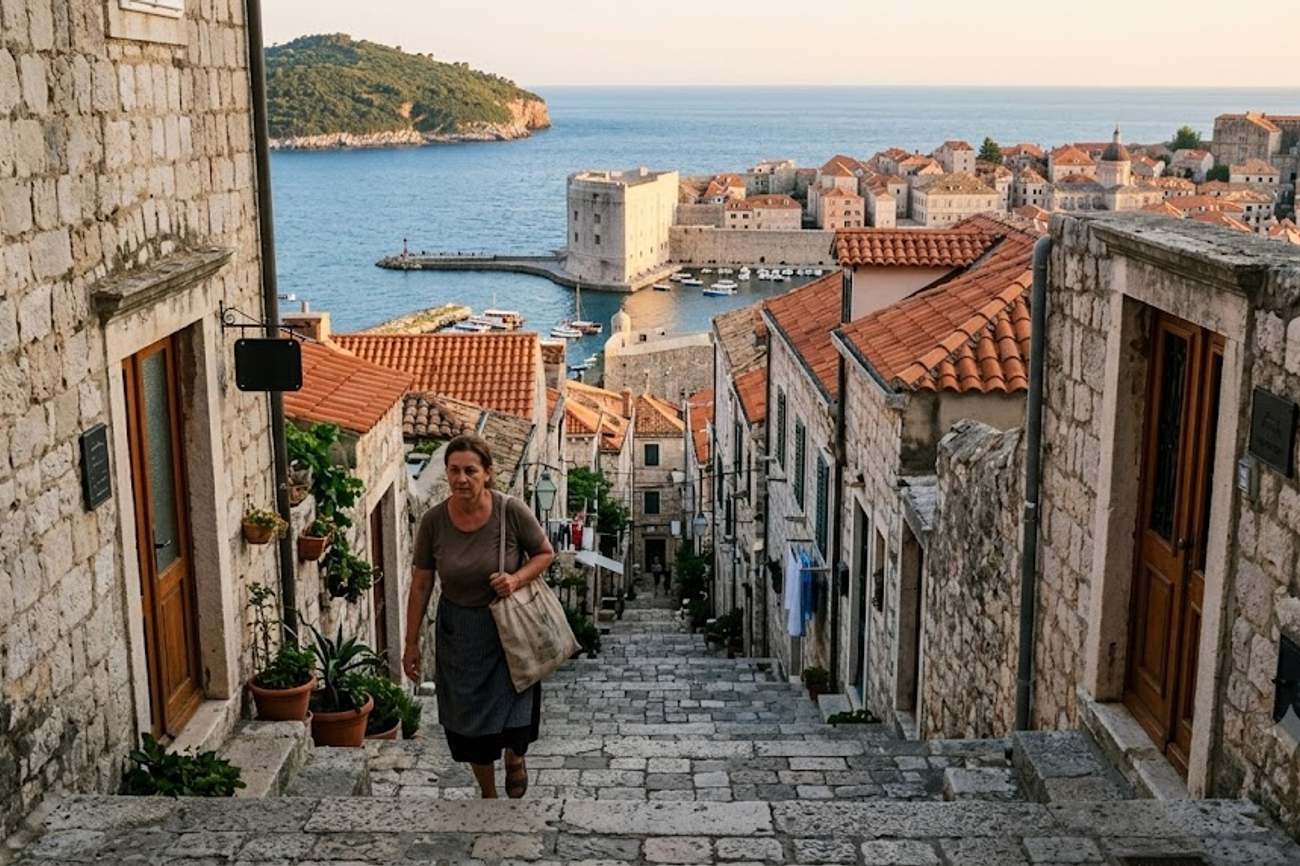
Image generated by AI
Europe Shifts Toward Managed Tourism Models
A systemic shift is occurring across Europe's primary tourism hubs. Governments are moving away from a "growth at all costs" approach toward a regulated model that prioritizes housing availability for permanent residents over the expansion of short-term rentals (STRs).
The European Commission is currently developing a framework that empowers national and local authorities to apply targeted restrictions. Rather than implementing blanket bans, the EU intends to allow cities to intervene specifically in zones experiencing severe housing stress.
The primary objective is not the elimination of the STR market, but the introduction of rigorous registration, increased transparency, and the ability for municipalities to curb growth in saturated markets.
Croatia Implements New Consent and Registration Rules
Croatia, where tourism is a fundamental economic pillar—particularly along the Adriatic coast—is now integrating stricter controls to protect its residential markets. In hubs like Split and Dubrovnik, the surge in investor demand and tourist rentals has driven property prices to levels that often exclude younger local residents.
To mitigate this, Croatia is introducing two primary regulatory shifts:
- Co-owner Consent: Owners of apartments within residential buildings must now obtain approval from other property owners and neighbors before starting a short-term rental business.
- Mandatory Digital Identification: A registration reform will require all rooms and apartments listed on digital booking platforms to display an official registration ID.
These measures aim to eliminate illegal accommodations and provide the government with accurate data to manage tourism flow without dismantling the family-run rental businesses that support the economy.
Spain and Portugal Target Overtourism Hotspots
Spain remains one of the most aggressive regulators of the STR market. In Barcelona, authorities are moving toward the complete removal of tourist apartment licenses to force properties back into the long-term residential market.
Spanish efforts are concentrated in the Canary Islands, the Balearic Islands, and Barcelona, focusing on:
- The eradication of unlicensed tourist apartments.
- Strict monitoring of booking platforms.
- Caps on new rental licenses in high-pressure zones.
Similarly, Portugal is tightening the grip on Lisbon and Porto. The Portuguese government is focusing on controlling the issuance of new local accommodation permits to prevent the erosion of residential neighborhoods.
Identifying Housing Stress
The European approach to determining where restrictions are necessary relies on specific data indicators. Authorities are monitoring these metrics to justify intervention:
| Housing Pressure Indicator | Impact on Local Community |
|---|---|
| Rapid property price growth | Decreased affordability for permanent residents |
| Rising rent costs | Shrinking supply of long-term housing |
| Low housing availability | Increased competition between visitors and residents |
| Strong tourism demand | Rapid expansion of holiday rentals over homes |
| Population growth pressure | Heightened demand for stable residential housing |
Key Takeaways
- Shift in Strategy: Europe is moving from unregulated growth to "targeted restrictions" based on housing stress indicators.
- Croatia's New Mandates: New rules require neighbor consent for rentals in shared buildings and official registration IDs for all digital listings.
- Spanish Extremes: Barcelona is leading the way by actively removing tourist licenses to reclaim residential housing.
- EU-Wide Coordination: The European Commission is creating a standardized framework to help cities manage overtourism without killing the tourism economy.
FAQ
Are short-term rentals being banned in Europe? No. The goal is regulation, not elimination. The focus is on registration, transparency, and limiting growth in areas where residents can no longer afford housing.
How does the new Croatian law affect homeowners? Homeowners in shared residential buildings may now need consent from their neighbors to operate a rental. Additionally, all listings on platforms like Airbnb or Booking.com must have an official registration ID.
Which cities are most affected by these changes? Major hotspots including Barcelona, Lisbon, Porto, Split, and Dubrovnik are seeing the most significant regulatory shifts.
Related Travel Guides
Disclaimer
This article is for informational and educational purposes only. It does not constitute legal, financial, or professional advice. While we strive to provide accurate and up-to-date information, travel policies, regulations, and conditions change rapidly. Always verify information with official sources before making travel decisions. Nomad Lawyer makes no representations about the accuracy, reliability, completeness, or suitability of the information provided. Readers should consult qualified professionals for advice specific to their circumstances. The views expressed in this article are those of the author and do not necessarily reflect the views of Nomad Lawyer.
Naina Thakur
Contributor & Travel Specialist
Travel enthusiast and legal writer covering visa regulations, responsible tourism, and cultural journeys across global destinations.
Learn more about our team →