
ADTOI Launches Karnataka Chapter to Scale Domestic Tourism
ADTOI expands into Karnataka with a new chapter to drive sustainable domestic travel, led by Roshan Pinto and supported by KSTDC.
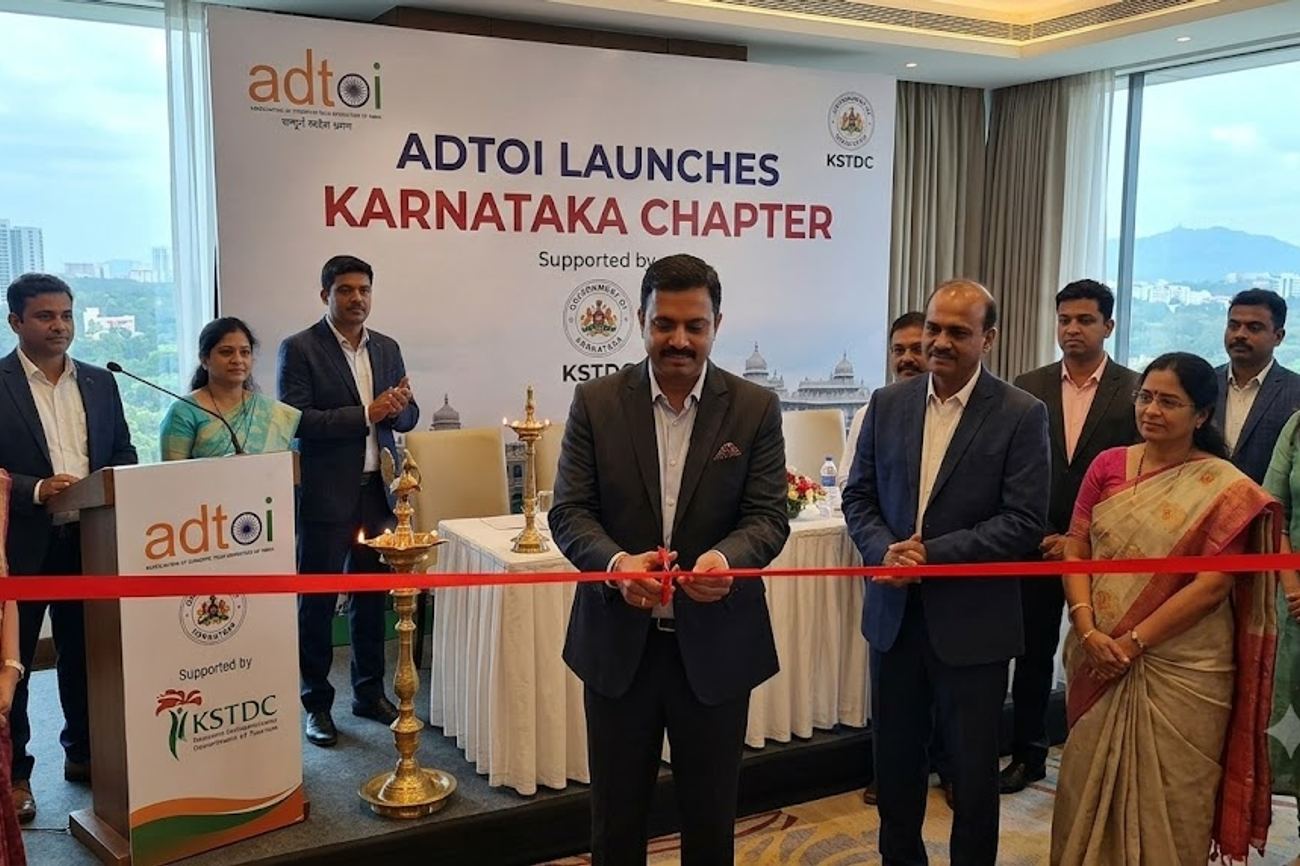
Image generated by AI
The domestic travel sector in Southern India is seeing a strategic shift toward professional unification. On August 19, 2026, the Association of Domestic Tour Operators of India (ADTOI) formally inaugurated its Karnataka Chapter during an installation ceremony at Hotel Maurya, Race Course Road, Bengaluru. This move transitions Karnataka’s tourism approach from fragmented local operations to a coordinated regional strategy.
The new chapter is governed by a leadership team comprising Chairman Mr. Roshan Pinto, Secretary Ms. Poonam Shetty, and Treasurer Ms. Bhavana Jalan. Supporting the strategic rollout are Ms. Neena L. Pereira (Lady Entrepreneur Officer), Mr. H. Jagadeesh (National Growth Committee for Chapter), and Mr. Ramananda K. S. (State Chapter Advisor).
This expansion is not merely administrative; it is a targeted effort to integrate Karnataka’s diverse assets—ranging from coastal stretches to highland wildlife reserves—into more accessible circuits for Indian travelers.
Cultural & Environmental Value
For the visitor, the real impact of this professionalization is the shift toward "responsible travel." By aligning local operators under the ADTOI umbrella, the region is moving away from mass tourism and toward curated, experiential journeys that protect regional heritage.
The launch saw critical backing from the Karnataka State Tourism Development Corporation (KSTDC) and the Government of Karnataka, represented by Shri M. Srinivas (Chairman, KSTDC) and Shri Manoj Kumar, IFS (Principal Secretary for Forests). This synergy between government forest departments and tour operators suggests a future where wildlife tourism in Karnataka is managed with stricter conservation standards and a higher focus on community-led eco-tourism.
Visitor Insider Tips
To experience Karnataka beyond the standard tour packages, consider these local insights:
- The Off-Peak Window: While most visit during the winter, the monsoon season (June to September) transforms the Western Ghats into a lush, emerald paradise, ideal for those seeking solitude and nature photography.
- Cultural Etiquette: When visiting the spiritual centers of Hampi or the temples of Belur and Halebidu, remember that modest dress is mandatory. Carrying a light shawl is a practical way to respect local customs.
- Dining Specialty: Move beyond the standard meals and seek out Bisi Bele Bath and Akki Rotti at local "darshinis" (small eateries) in Bengaluru for an authentic taste of the region.
- Hidden Spot: While Coorg is popular, explore the quieter forests of Agumbe for some of the best rainforest experiences in India.
Tourism Outlook
The establishment of this chapter provides a formal voice for local operators at a national level. By fostering collaboration between the South Indian Hotel & Restaurant Association (SIHRA) and the Karnataka Tourism Society (KTS), the state is positioned to increase its share of the domestic market. The long-term goal is to transform Karnataka from a transit point into a primary destination, emphasizing sustainable growth that benefits rural artisans and local guides.
Explore more on nomadlawyer.org:
- [Sustainable Travel Guides for South India]
- [Navigating India's Emerging Tourism Circuits]
- [Legal Frameworks for International Nomads in Asia]
Related Travel Guides
Disclaimer
This article is for informational and educational purposes only. It does not constitute legal, financial, or professional advice. While we strive to provide accurate and up-to-date information, travel policies, regulations, and conditions change rapidly. Always verify information with official sources before making travel decisions. Nomad Lawyer makes no representations about the accuracy, reliability, completeness, or suitability of the information provided. Readers should consult qualified professionals for advice specific to their circumstances. The views expressed in this article are those of the author and do not necessarily reflect the views of Nomad Lawyer.