
Young Travellers Drive 60% of Delhi Bus Bookings During May-June Pilgrimage Season
Delhi bus bookings surge 28% as young travellers aged 18-30 dominate intercity travel during Ganga Dussehra and summer holidays in 2026.

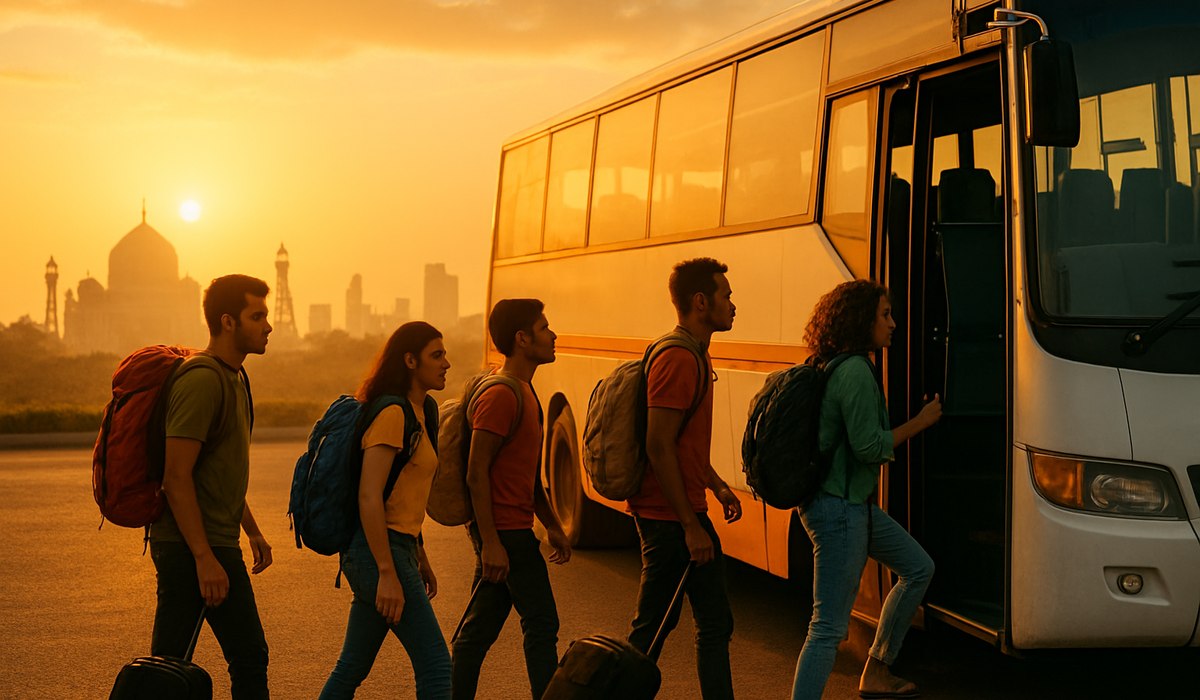
Image generated by AI
Young Travellers Drive Delhi Bus Bookings to Record Heights
Delhi's intercity bus bookings are experiencing unprecedented growth as young travellers aged 18–30 take centre stage during the May-June 2026 travel season. The surge, projected at 28 percent between May 1 and June 2, is fuelled by religious pilgrimages during Ganga Dussehra and Nirjala Ekadashi, combined with summer holiday plans. Young travellers are expected to command 60 percent of total seat share, marking a significant shift in intercity travel demographics and reshaping how bus operators and booking platforms approach capacity planning.
This trend reflects broader changes in how millennials and Gen Z approach experiential travel, blending spiritual tourism with seasonal adventures. The convergence of religious observances and vacation periods has created the perfect storm for bus travel demand, particularly among younger demographics seeking affordable, socially connected journey options.
Young Travellers Dominate Delhi Bus Bookings During Pilgrimage Season
The prominence of young travellers in Delhi bus bookings reflects evolving travel patterns across India's intercity transport sector. Travellers aged 18–30 represent the fastest-growing segment of bus passengers, driven by increasing digital literacy, smartphone penetration, and easy access to booking platforms. This demographic prioritises flexible travel options, affordable fares, and social experiences—qualities that intercity bus services provide effectively.
During the May-June period, young travellers leverage bus travel as a cost-effective alternative to air transport while maintaining schedule flexibility. Many are students returning home for summer break or young professionals using holidays for pilgrimage journeys. The Ganga Dussehra festival in May particularly attracts younger pilgrims heading to Varanasi and surrounding holy sites, driving consistent booking momentum across multiple routes from Delhi.
Digital-first booking platforms have democratised intercity travel for this age group, offering real-time seat availability, competitive pricing, and cashless transactions that align with their preferences.
Religious Festivals and Summer Holidays Drive 28% Booking Increase
The 28 percent surge in Delhi bus bookings stems directly from the convergence of two major travel catalysts: religious festivals and academic calendars. Ganga Dussehra, celebrated in late May, draws pilgrims across North India to sacred river ghats, while Nirjala Ekadashi (an important fasting observance) motivates devotional journeys. Simultaneously, summer holidays beginning in mid-May prompt families and students to plan trips, extending the high-demand period.
This dual-driver phenomenon creates sustained booking activity rather than sharp spikes, allowing bus operators to optimize fleet deployment and maintain service quality. The 28 percent increase translates to thousands of additional journeys across popular Delhi routes, with destinations like Varanasi, Haridwar, Agra, and Mathura experiencing disproportionately high demand.
Bus operators have responded by increasing frequency on pilgrimage-heavy routes and introducing premium services targeting young travellers seeking comfort during longer journeys. This expansion directly benefits the broader travel ecosystem, supporting local economies at pilgrimage destinations and creating employment across transport logistics.
Why Millennials and Gen Z Are Leading Intercity Travel Trends
Younger travellers have fundamentally reshaped intercity bus travel through their values, preferences, and digital behaviours. Unlike previous generations, millennials and Gen Z view budget bus travel not as a compromise but as a conscious choice aligned with sustainable tourism and community connection. This cohort actively shares travel experiences on social media, creating peer-to-peer recommendations that drive bookings organically.
Several factors explain their dominance in intercity travel patterns:
Affordability and Value: Young travellers operate with tighter budgets than older demographics, making 28 percent cheaper bus fares significantly attractive compared to flights or personal vehicles.
Flexibility: Intercity buses accommodate spontaneous travel changes, cancellations, and last-minute bookings through digital platforms—essential for younger travellers managing unpredictable schedules.
Eco-Consciousness: Sustainability concerns resonate strongly with Gen Z, who actively choose shared transport over individual vehicles to reduce carbon footprints.
Social Experience: Bus travel provides opportunities for meeting fellow travellers, networking, and creating shared experiences—highly valued by younger demographics.
Digital Proficiency: Young travellers seamlessly navigate booking apps, compare fares, and manage reservations entirely through smartphones, reducing friction in the booking process.
These behavioural patterns position young travellers as trendsetters in the intercity transport sector, influencing service design, pricing strategies, and technological innovation.
What This Means for Bus Operators and Travel Platforms
The 60 percent seat share captured by young travellers creates both opportunities and operational challenges for bus operators and digital travel platforms. Understanding and serving this demographic effectively becomes strategically essential for long-term market share growth.
Capacity Planning and Route Optimization: Bus operators must increase frequency on routes popular with young travellers, particularly during May-June. This requires fleet expansion, driver recruitment, and maintenance scheduling aligned with peak demand periods.
Digital Infrastructure Investment: Travel platforms must ensure their apps, websites, and payment systems handle increased transaction volume without performance degradation. Real-time seat availability, dynamic pricing, and personalized recommendations become critical service differentiators.
Service Enhancement: Young travellers expect modern amenities including USB charging ports, WiFi connectivity, entertainment systems, and clean facilities. Operators upgrading their fleets to meet these expectations gain competitive advantages in attracting younger passengers.
Revenue Management: Dynamic pricing algorithms must balance affordability expectations of young travellers with revenue optimization for operators. Balancing discounts for early bookers against last-minute surge pricing requires sophisticated data analytics.
Customer Engagement: Direct engagement through social media, influencer partnerships, and community-building initiatives helps platforms and operators build loyalty among younger demographics who value authentic brand connections.
The 28 percent booking increase during May-June 2026 demonstrates that catering effectively to young travellers translates directly to revenue growth, capacity utilization, and market expansion.
Key Data on Delhi Bus Bookings and Young Traveller Trends
| Metric | Value | Impact |
|---|---|---|
| Overall Booking Increase | 28% | Delhi intercity routes experience significant surge from May 1-June 2, 2026 |
| Young Traveller Market Share | 60% | Travellers aged 18-30 dominate seat bookings during pilgrimage season |
| Age Group Targeted | 18-30 years | Millennials and early Gen Z drive majority of travel activity |
| Primary Catalyst | Ganga Dussehra & Nirjala Ekadashi | Religious festivals trigger pilgrimage journeys across North India |
| Secondary Driver | Summer Holidays | Academic calendars align with travel demand, extending booking period |
| Popular Destinations | Varanasi, Haridwar, Agra | Sacred sites and tourist attractions receive highest passenger volume |
| Booking Platform Impact | Digital-First | Smartphone apps drive convenience-driven bookings among young travellers |
What This Means for Travellers
Young travellers planning journeys during May-June 2026 should anticipate both opportunities and challenges as Delhi bus bookings reach peak levels:
-
Book Early for Peace of Mind: With 28 percent more bookings expected, advance reservations guarantee seat availability on preferred routes and travel dates. Last-minute bookings risk limited options on popular pilgrimage routes.
-
Compare Multiple Platforms: Digital travel platforms compete aggressively for young traveller market share, creating opportunities for better fares, cashback offers, and loyalty rewards. Shopping across 3-4 platforms typically yields significant savings.
-
**
Disclaimer
This article is for informational and educational purposes only. It does not constitute legal, financial, or professional advice. While we strive to provide accurate and up-to-date information, travel policies, regulations, and conditions change rapidly. Always verify information with official sources before making travel decisions. Nomad Lawyer makes no representations about the accuracy, reliability, completeness, or suitability of the information provided. Readers should consult qualified professionals for advice specific to their circumstances. The views expressed in this article are those of the author and do not necessarily reflect the views of Nomad Lawyer.
Kunal K Choudhary
Co-Founder & Contributor
A passionate traveller and tech enthusiast. Kunal contributes to the vision and growth of Nomad Lawyer, bringing fresh perspectives and driving the community forward.
Learn more about our team →