
Central South America Travel Forecast to Outpace Global Growth in 2026
Central and South America's travel sector will expand 4.1% in 2026, exceeding the global average of 3.2%. Strong domestic demand and geopolitical resilience drive regional tourism recovery.

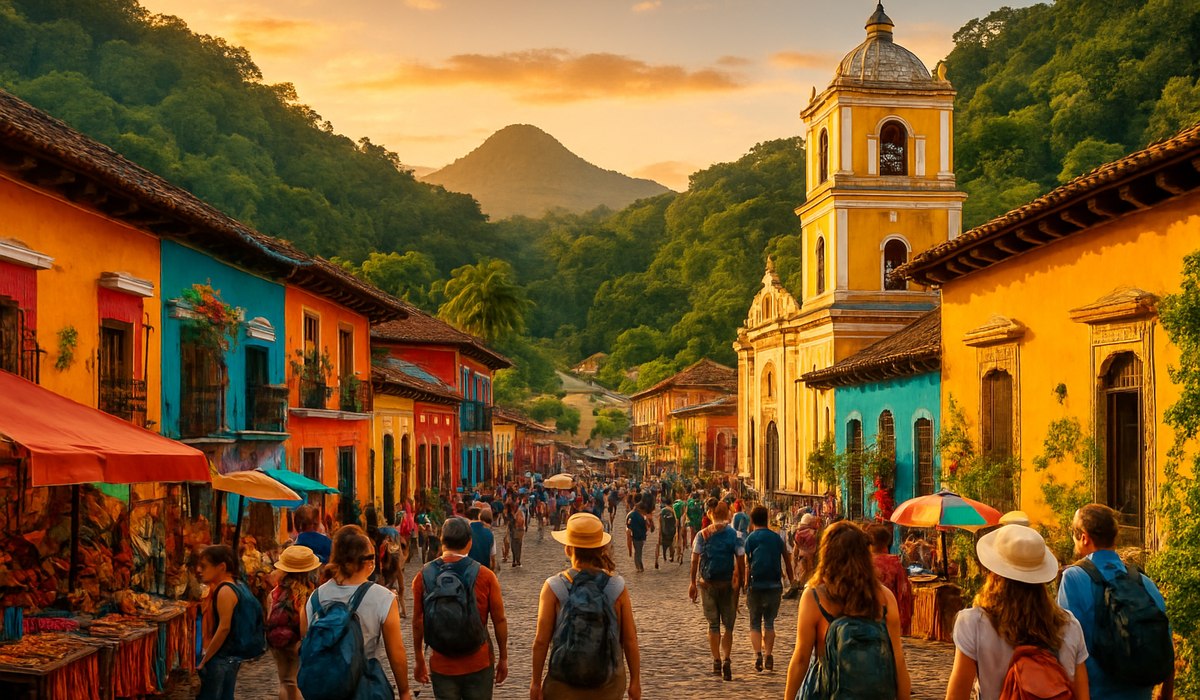
Image generated by AI
Central and South America Poised to Lead Global Travel Recovery in 2026
Central and South America's travel sector is set to significantly outperform worldwide tourism trends in 2026, with projections showing growth of 4.1 percent compared to the sluggish global average of 3.2 percent. This regional momentum reflects robust domestic demand, limited geopolitical exposure, and increasing international visitor spending across destinations ranging from the Amazon Basin to Andean mountain regions. The forecast, supported by comprehensive sector analysis, signals a pivotal moment for nomadic professionals, remote workers, and traditional tourists planning their 2026 itineraries in this diverse hemisphere.
Why Central and South America Will Lead Global Travel Growth
The travel sector growth story in Central and South America stands apart from global patterns due to several converging factors. Regional economies are experiencing faster recovery trajectories than North American and European counterparts, fueling disposable income among middle-class populations. Additionally, infrastructure investments in countries like Colombia, Peru, and Costa Rica are opening previously underutilized destinations to international travelers.
Domestic tourism represents the region's strongest growth engine. Local travelers filling resort occupancy, restaurant tables, and adventure tour bookings create consistent revenue streams independent of international fluctuations. This internal demand cushions the sector against external shocks that typically destabilize tourism-dependent economies. The World Travel & Tourism Council's latest research provides granular data supporting this regional resilience narrative.
Key Growth Drivers: Domestic Demand and Geopolitical Advantages
Domestic tourism spending across Central and South America surged as middle-income households discovered nearby destinations they'd previously overlooked. Brazilian families exploring the Pantanal, Colombian city-break travelers visiting Bogotá's cultural districts, and Peruvian adventure seekers conquering the Inca Trail represent millions of regional trips generating substantial accommodation and service revenue.
Geopolitical insulation offers another critical advantage. Unlike Europe contending with post-conflict recovery or Asia managing trade tensions, Central and South America maintains relative stability for tourism operations. This doesn't suggest immunity from global challenges, but rather lower exposure to conflicts directly affecting traveler safety perceptions and airline routing decisions.
Currency fluctuations across the region present additional complexities and opportunities. Weaker local currencies against the US dollar and Euro make the region exceptionally attractive for international visitors. This exchange rate advantage drives bookings from North America and Europe, supplementing strong domestic demand. The combined effect positions the central south america travel sector for above-average expansion throughout 2026.
International Visitor Spending Outlook for 2026
International arrivals and spending patterns indicate accelerating growth momentum entering the second half of 2026. The region anticipates record-breaking visitor expenditures in premium accommodations, adventure tourism, cultural experiences, and culinary tourism. Markets like Peru, with its iconic Machu Picchu drawcard, and Ecuador, offering unparalleled biodiversity, expect capacity pressures as demand outpaces supply.
Luxury travel represents a particular growth segment. High-net-worth individuals and remote professionals seeking extended stays in safe, culturally rich environments are driving bookings in boutique hotels, private lodges, and exclusive wellness retreats across the region. This premium segment's higher spending per visitor amplifies economic impact despite potentially lower volume increases. Airlines expanding routes to secondary cities—including Cartagena, Arequipa, and Quito—indicate confidence in sustained visitor demand.
Regional Tourism Implications for Nomadic Professionals
For location-independent professionals and digital nomads, the 2026 growth forecast carries significant implications. Expanding tourism infrastructure means improved accommodation options, faster internet connectivity, and enhanced amenities at lower price points than saturated European and Southeast Asian destinations. Co-working spaces are proliferating in major hubs, making extended stays increasingly viable for remote workers seeking cultural immersion.
Visa policy developments across the region increasingly favor longer stays for remote professionals. Several countries have introduced digital nomad visas or extended tourist permits, acknowledging the economic value these travelers represent. Combined with favorable currency positioning and lower cost-of-living comparisons, central south america travel destinations become compelling financial choices for budget-conscious nomadic professionals managing annual travel expenses.
Central and South America Tourism Growth Metrics
| Metric | 2026 Projection | Global Average | Regional Advantage |
|---|---|---|---|
| Sector Growth Rate | 4.1% | 3.2% | +0.9 percentage points |
| Domestic Tourism Contribution | 62% | 48% | 14% higher internal demand |
| International Visitor Spending | +3.8% | +2.9% | Stronger international appeal |
| Average Daily Expenditure | $145-210 | $120-185 | 8-12% premium spending |
| Infrastructure Investment Growth | 5.2% | 2.8% | Faster capacity expansion |
| Digital Nomad Visa Adoption | 8 countries | 22 globally | Rising regional appeal |
What This Means for Travelers
The 2026 outlook for Central and South America carries direct consequences for trip planning and destination selection:
-
Book accommodations early – Premium properties in peak destinations face occupancy pressures as growth accelerates, potentially reducing last-minute availability and driving rate increases.
-
Explore secondary cities – Distribute travel across lesser-known destinations like Mérida, Sucre, and Santa Rosa de Cabal to avoid crowding while discovering authentic regional experiences.
-
Leverage favorable currency exchange – Extended stays maximize purchasing power; consider month-long stays rather than one-week visits to capture currency advantages.
-
Schedule during shoulder seasons – Traveling in May or September-October provides superior availability and pricing compared to peak summer months.
-
Invest in travel insurance – Regional growth means increased tourism infrastructure usage; comprehensive coverage protects against service disruptions.
-
Plan transportation flexibility – Expanding flight routes and bus services offer alternative routing options; build schedule margins accommodating network evolution.
FAQ: Central and South America Travel Growth 2026
What's driving Central and South America's faster travel growth compared to global trends?
Robust domestic demand combined with geopolitical insulation creates regional resilience. Middle-class tourism within countries is supplemented by strong international visitation, while the region avoids conflicts directly impacting traveler safety perceptions. Currency advantages against major international currencies further attract visitors from developed markets.
Which countries offer the best value for travelers in 2026?
Peru, Colombia, and Ecuador deliver exceptional value through favorable currency positioning and expanding infrastructure. Peru's archaeological richness, Colombia's cultural renaissance, and Ecuador's biodiversity attract visitors across budget categories while maintaining lower costs than Mexico or Central American premium markets.
How will increased travel sector growth affect accommodation availability and pricing?
Expect tighter availability in primary destinations with potential 5-8% rate increases during peak seasons. Secondary cities and emerging destinations maintain better availability and stable pricing as development projects distribute traveler flows geographically. Booking 8-12 weeks ahead secures optimal rates.
Are digital nomad visas becoming more prevalent in the region?
Yes, eight Central and South American countries now offer digital nomad visa programs, recognizing remote professional economic contributions. Costa Rica, Colombia, Peru, and Ecuador lead adoption, with more countries developing similar programs as competition for location-independent talent intensifies.
Related Travel Guides
- LaGuardia Airport Sinkhole Shuts Down Runway 4/22, Triggering Hundreds of Flight Cancellations and Massive Delays Across New York, Chicago, Atlanta and Dallas on May 21, 2026
- Flight Disruptions Deepen as Global Jet Fuel Crunch Bites Hard
- Kansas City International Airport Hit by 25 Flight Delays to Chicago, Denver, and Atlanta: Southwest, American, and Delta Air Lines Struggle with Airspace Squeezes and Security Postures
Disclaimer
This analysis synthesizes data from the World Travel & Tourism Council and regional tourism authorities.
Disclaimer
This article is for informational and educational purposes only. It does not constitute legal, financial, or professional advice. While we strive to provide accurate and up-to-date information, travel policies, regulations, and conditions change rapidly. Always verify information with official sources before making travel decisions. Nomad Lawyer makes no representations about the accuracy, reliability, completeness, or suitability of the information provided. Readers should consult qualified professionals for advice specific to their circumstances. The views expressed in this article are those of the author and do not necessarily reflect the views of Nomad Lawyer.
Preeti Gunjan
Contributor & Community Manager
A passionate traveller and community builder. Preeti helps grow the Nomad Lawyer community, fostering engagement and bringing the reader experience to life.
Learn more about our team →