
Gen Z Accounts for 53% of Spiritual Travel Bookings in India
Gen Z accounts for 53% of spiritual travel bookings across India in 2026, with younger travelers reshaping pilgrimage tourism through digital platforms and last-minute bookings.

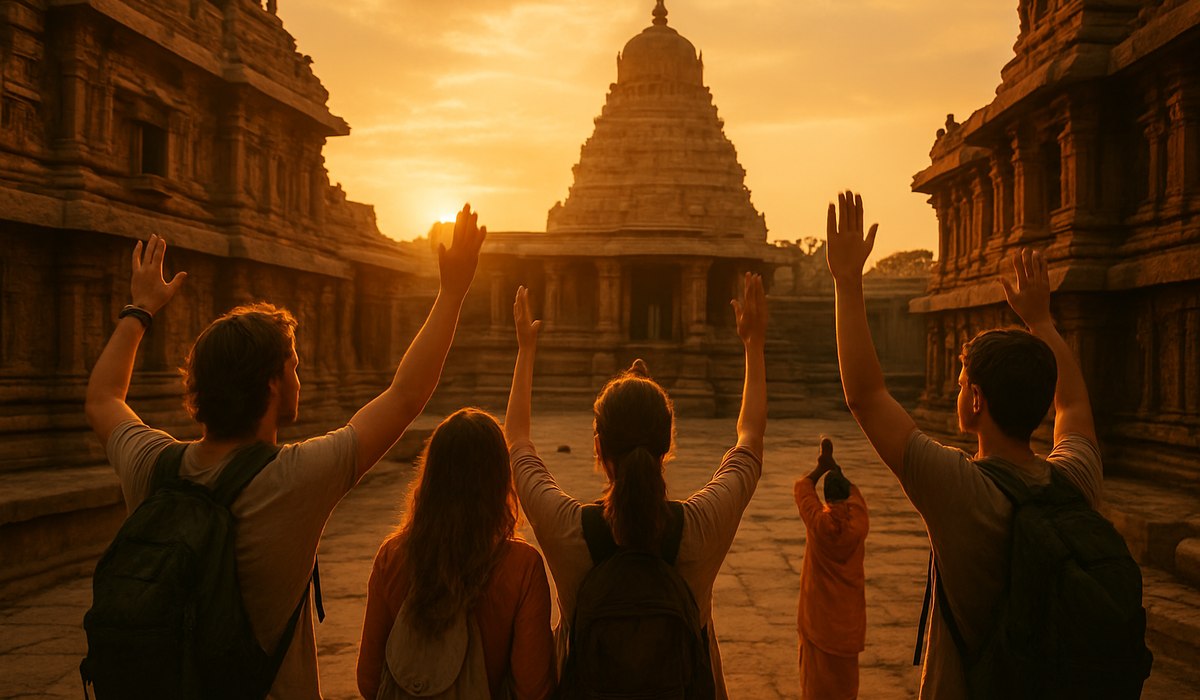
Image generated by AI
Young Indians Are Redefining Pilgrimage Tourism
Gen Z travelers now accounts for spiritual travel bookings at a remarkable 53% share across India during fiscal year 2026, according to major transit data. This demographic shift signals a fundamental transformation in how younger generations engage with India's sacred destinations. The surge reflects changing travel preferences, with Gen Z prioritizing experiential and culturally meaningful journeys over conventional leisure tourism patterns.
Gen Z Dominates India's Spiritual Tourism Segment
The rapid rise of Gen Z within India's spiritual tourism landscape represents one of the year's most significant travel industry developments. Young adults aged 18-26 are increasingly drawn to pilgrimage destinations, combining spiritual exploration with social media documentation and peer-influenced travel decisions.
This generational cohort demonstrates distinct booking patterns compared to older travelers. They prioritize flexibility, favor digital platforms for research and reservation, and often plan journeys around festival calendars and auspicious dates. The accounts spiritual travel bookings data reveals that Gen Z travelers contribute substantially to revenue streams for bus operators, hospitality providers, and ancillary services along major pilgrimage corridors.
Transportation companies have responded to this trend by expanding fleet capacity on high-demand routes and implementing digital-first booking experiences. The shift reflects broader millennial and Gen Z preferences for authentic cultural engagement rather than mass-market tourism offerings.
Popular Pilgrimage Routes Among Younger Travelers
Certain routes have emerged as Gen Z favorites within India's spiritual tourism infrastructure. The Bengaluru-Tirupati corridor consistently ranks as the most popular bus route, attracting thousands of young devotees monthly. Similarly, the Hyderabad-Tirupati journey has experienced substantial passenger growth, with younger travelers seeking accessible pilgrimage experiences.
Beyond these primary corridors, secondary routes to Varanasi, Rishikesh, and Haridwar are witnessing increased youth participation. These destinations offer multi-day spiritual experiences that align with Gen Z's desire for immersive travel. The sacred sites along the Ganges River particularly appeal to younger travelers interested in yoga, meditation, and wellness-focused spirituality.
Regional pilgrimage centers like Ujjain, Mathura, and Shirdi have also reported increased bookings from Gen Z travelers. These destinations provide authentic spiritual experiences without requiring extensive international travel, making them economically accessible for younger budget-conscious pilgrims. Digital platforms have simplified route discovery and comparison, enabling younger travelers to identify optimal journey combinations.
Digital Discovery and Last-Minute Booking Trends
Gen Z's approach to spiritual travel booking differs markedly from previous generations, with digital platforms driving decision-making processes. Social media platforms, travel review sites, and peer recommendations significantly influence route selection and accommodation choices. Last-minute booking behavior characterizes this demographic, with many young travelers reserving seats within 48 hours of departure.
Mobile applications have become essential tools for Gen Z pilgrims. Real-time seat availability, instant payment options, and digital receipt management appeal to younger travelers accustomed to seamless digital experiences. This behavioral pattern has prompted bus operators and travel platforms to invest heavily in mobile-first infrastructure and payment gateway optimization.
Festival seasons and auspicious dates trigger booking surges from younger demographics. The accounts spiritual travel segment experiences predictable peaks during Navratri, Shivaratri, and other significant religious observances. Understanding these temporal patterns enables platforms to implement targeted marketing campaigns and dynamic pricing strategies that resonate with Gen Z travelers' budget constraints and timing preferences.
What This Shift Means for India's Tourism Industry
The generational transformation in spiritual tourism carries substantial implications for India's broader travel and hospitality sector. Increased Gen Z participation signals sustained long-term demand for pilgrimage-related services and infrastructure development. State governments and private operators are responding by enhancing accommodations, dining facilities, and transportation amenities at major spiritual destinations.
This demographic shift also demonstrates growing cultural consciousness among younger Indians. Many Gen Z travelers seek meaningful connections to heritage and spirituality, moving beyond purely recreational tourism. This trend supports local economies through direct spending on accommodation, food, transportation, and ancillary services within pilgrimage communities.
The accounts spiritual travel data reveals opportunities for emerging startups focused on pilgrimage tourism. Digital platforms specializing in spiritual journey planning, cultural guidance, and experiential booking have gained traction among Gen Z users. Traditional tourism operators must adapt to younger travelers' expectations regarding digital accessibility, sustainable practices, and authentic experience delivery.
Spiritual Travel Bookings Data Table
| Metric | Value | Growth Rate | Primary Route |
|---|---|---|---|
| Gen Z Market Share (FY26) | 53% | +18% YoY | Bengaluru-Tirupati |
| Hyderabad-Tirupati Passengers | 234,000 | +22% YoY | Secondary Hub |
| Average Booking Lead Time | 36 hours | -15% YoY | Digital First |
| Mobile Booking Percentage | 71% | +28% YoY | All Routes |
| Average Trip Duration | 3.2 days | +8% YoY | Multi-Day Trips |
| Annual Gen Z Pilgrimage Spending | ₹847 crores | +35% YoY | All Categories |
What This Means for Travelers
Understanding these emerging spiritual tourism trends empowers individual travelers to optimize their pilgrimage experiences:
-
Book strategically during off-peak periods to access lower fares and less crowded conditions, especially on popular Bengaluru-Tirupati and Hyderabad-Tirupati routes. Mid-week departures typically offer 15-25% savings compared to weekend schedules.
-
Leverage mobile-first platforms for real-time information, seat selection, and payment processing. Gen Z-oriented apps provide superior user experiences and frequently offer early-bird discounts or loyalty rewards unavailable through traditional channels.
-
Plan around festival calendars strategically. While Navratri and Shivaratri attract massive crowds, shoulder periods around these festivals provide meaningful spiritual experiences with manageable passenger volumes and premium service availability.
-
Combine multiple pilgrimage destinations within single journeys to maximize spiritual experience and optimize transportation costs. Secondary routes to Varanasi, Rishikesh, and Haridwar connect efficiently with primary Tirupati corridors.
-
Book accommodations simultaneously with transportation using integrated platform solutions. Gen Z travelers increasingly benefit from bundled offerings combining bus travel, hotel stays, and meal packages at discounted rates.
Frequently Asked Questions
What percentage of India's spiritual travel bookings does Gen Z represent in 2026?
Gen Z accounts for 53% of spiritual travel bookings across India during FY26, according to transportation platform data. This represents an 18% year-over-year increase, establishing younger demographics as the dominant consumer segment within India's pilgrimage tourism sector. This shift reflects broader cultural trends emphasizing authentic, experiential travel among younger populations.
Which pilgrimage routes attract the most Gen Z travelers?
The Bengaluru-Tirupati and Hyderabad-Tirupati corridors consistently rank as top Gen Z pilgrimage routes. These destinations offer accessible spiritual experiences, well-developed transportation infrastructure, and accommodation options catering to younger travelers' budgets. Secondary routes to Varanasi, Rishikesh, and regional centers like Ujjain also experience increasing youth participation.
How do Gen Z travelers prefer to book spiritual travel experiences?
Gen Z overwhelmingly favors mobile-first digital platforms for booking pilgrimage journeys. Approximately 71% of spiritual travel bookings from younger demographics occur through smartphone applications. Last-minute booking behavior characterizes this segment, with many travelers reserving transportation within 48 hours of departure, reflecting flexible travel planning and spontaneous decision-making patterns.
What factors drive spiritual tourism preferences among younger Indian travelers?
Gen Z travelers prioritize authentic cultural experiences, social media sharing opportunities, and wellness-focused spirituality when selecting pilgrimage destinations.
Disclaimer
This article is for informational and educational purposes only. It does not constitute legal, financial, or professional advice. While we strive to provide accurate and up-to-date information, travel policies, regulations, and conditions change rapidly. Always verify information with official sources before making travel decisions. Nomad Lawyer makes no representations about the accuracy, reliability, completeness, or suitability of the information provided. Readers should consult qualified professionals for advice specific to their circumstances. The views expressed in this article are those of the author and do not necessarily reflect the views of Nomad Lawyer.
Raushan Kumar
Founder & Lead Developer
Full-stack developer with 11+ years of experience and a passionate traveller. Raushan built Nomad Lawyer from the ground up with a vision to create the best travel and law experience on the web.
Learn more about our team →