
Yosemite National Park Cancels Timed-Entry System in 2026 Amidst Conflicting Reports on Traffic and Crowd Control
Yosemite National Park officials claim the removal of the timed-entry reservation system has streamlined access, despite rising visitor numbers and warnings from U.S. senators regarding gridlock.

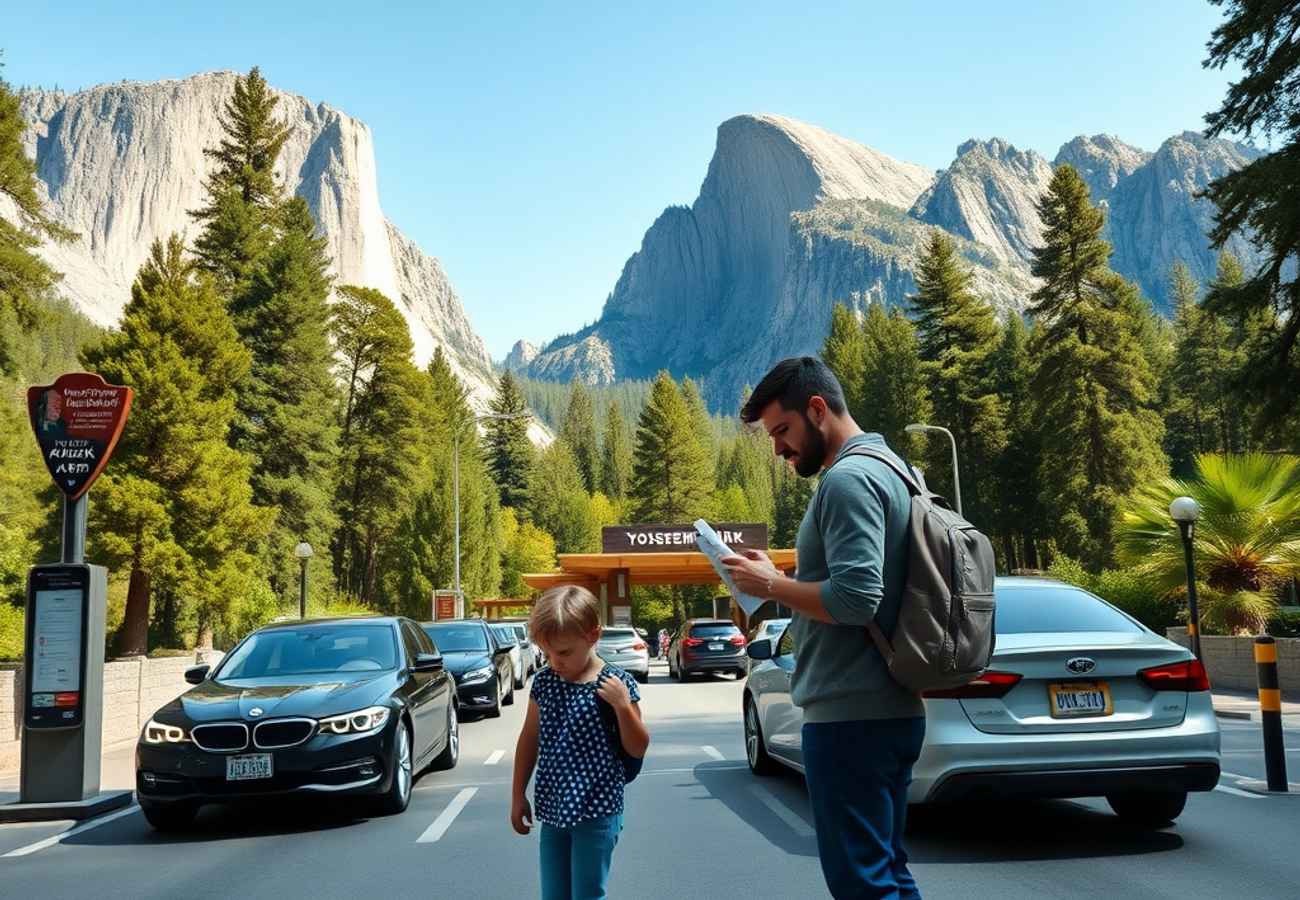
Image generated by AI
Yosemite National Park officials report a significant reduction in entry delays following the cancellation of the timed-entry reservation system, though critics and former staff argue the data ignores peak-season congestion.
The National Park Service (NPS) has shifted its operational strategy at Yosemite, moving away from the restrictive timed-entry system that previously regulated vehicle access to limit crowds. According to a July 13 announcement via the park's official channels, the Fourth of July weekend was one of the "smoothest holiday periods in recent memory," with officials attributing the success to a streamlined entry process.
Park representatives state that the removal of the reservation mandate, combined with the implementation of digital passes, new fast lanes, and expanded public Wi-Fi, has reduced Saturday morning wait times to less than 30 minutes. This is a sharp contrast to previous years, where visitors reportedly waited up to three hours to enter.
Traffic and Visitation Metrics
The park administration claims a dramatic decline in gridlock. While Yosemite Valley historically experienced over 120 gridlock days per year, officials report only two days of delays so far in 2026. These improvements are cited despite a 12% increase in overall visitor numbers.
However, the National Parks Conservation Association (NPCA) and various former rangers have challenged these assertions. Critics argue that the Fourth of July is an atypical benchmark, as many families opt for home-based celebrations rather than national park visits, resulting in artificially lower crowds.
The following data outlines the rise in recreation visits for the first half of 2026 compared to the previous year:
| Month | 2025 Visits | 2026 Visits |
|---|---|---|
| March | 155,758 | 225,817 |
| April | 297,621 | 303,860 |
| May | 454,491 | 511,587 |
| June | 584,333 | 610,463 |
Infrastructure Impact Assessment
The removal of the timed-entry system has created a divide between administrative goals and the on-the-ground reality for visitors. In May 2026, reports surfaced of hour-long wait times and trailhead parking lots reaching capacity early in the morning.
The lack of entry regulation has led to several critical infrastructure and safety concerns:
- Environmental Damage: U.S. Senators Alex Padilla and Adam Schiff have noted an increase in illegal off-road parking, where vehicles are driven over meadows and native vegetation.
- Pedestrian Safety: Footage from the popular Mist Trail shows extreme overcrowding, with hikers forced to navigate narrow cliff edges due to the volume of traffic.
- Staffing Strain: The NPCA has highlighted that a 25% cut in park staff nationwide, coupled with the removal of the reservation tool, has created a "perfect storm" of overcrowding and resource risk.
Traveler Logistics Guide: Navigating Yosemite in 2026
With the absence of a mandatory timed-entry system, visitors must adopt a more proactive strategy to avoid the "L.A. rush hour" conditions reported in the valley.
Optimal Arrival and Parking To secure parking at popular trailheads (such as the Mist Trail or Yosemite Falls), vehicles should arrive before 8:00 AM. Once valley parking lots reach capacity, the park often implements restrictive traffic flows that can lead to hours of idling.
Digital Transit Tools Utilize the park's new digital passes and fast lanes to expedite the fee payment process. Ensure all permits and passes are downloaded offline, as public Wi-Fi can be inconsistent in high-density areas.
Connection and Transport Advice
- Yosemite Valley Shuttle: To avoid the gridlock mentioned by senators, park your vehicle in a designated lot and use the internal shuttle system for all valley floor movements.
- Alternative Entry Points: Consider entering via the South Entrance or Tioga Pass (seasonal) to avoid the primary bottlenecks at the Arch Rock and Big Oak entrances.
- Customs and Regulations: While no longer requiring timed entry, ensure you are compliant with the latest NPS safety guidelines regarding wildlife distances and trail etiquette.
Despite formal requests from U.S. senators to the Secretary of the Interior, Doug Burgum, and Acting NPS Director Jessica Bowron to reinstate reservations, park officials currently have no plans to return to the timed-entry model.
Visitors are advised to monitor real-time traffic updates via the official NPS app to avoid peak congestion windows.
Related Travel Guides
Disclaimer
This article is for informational and educational purposes only. It does not constitute legal, financial, or professional advice. While we strive to provide accurate and up-to-date information, travel policies, regulations, and conditions change rapidly. Always verify information with official sources before making travel decisions. Nomad Lawyer makes no representations about the accuracy, reliability, completeness, or suitability of the information provided. Readers should consult qualified professionals for advice specific to their circumstances. The views expressed in this article are those of the author and do not necessarily reflect the views of Nomad Lawyer.
Preeti Gunjan
Contributor & Community Manager
A passionate traveller and community builder. Preeti helps grow the Nomad Lawyer community, fostering engagement and bringing the reader experience to life.
Learn more about our team →