
US Government Reduces Bears Ears and Grand Staircase-Escalante National Monuments by 2.93 Million Acres in 2026
President Trump has signed proclamations slashing the size of two major Utah national monuments by nearly 3 million acres, sparking legal challenges from Tribal leaders and conservationists.

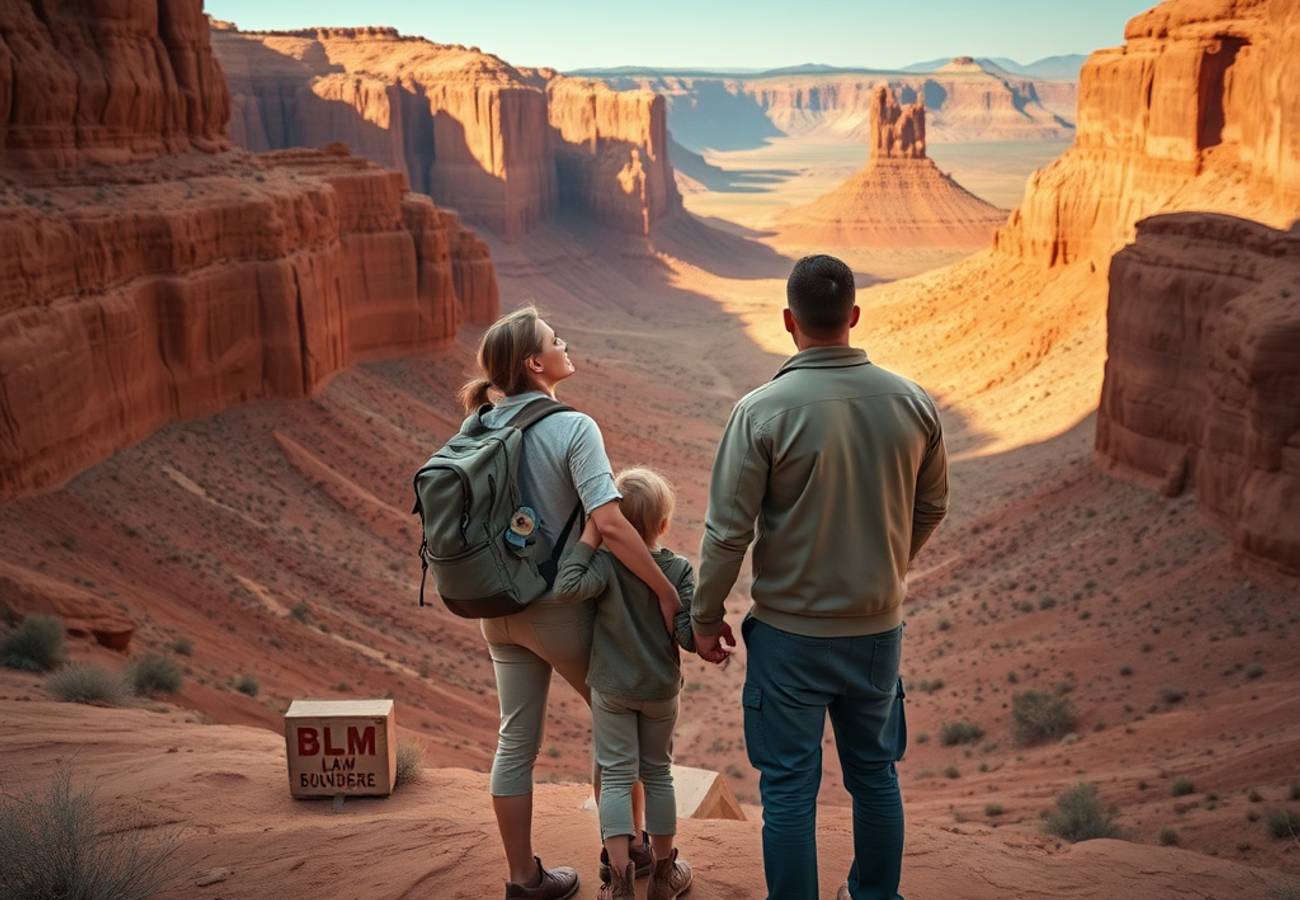
Image generated by AI
On July 13, 2026, the U.S. federal government announced a drastic reduction in the size of two iconic southern Utah landmarks: Bears Ears National Monument and Grand Staircase–Escalante National Monument. The decision, enacted via two presidential proclamations signed by President Donald Trump, removes approximately 2.93 million acres of protected land from these designations.
This move represents a significant shift in land management strategy, effectively reducing the footprint of both monuments by roughly 90%. While the sites remain open to the public, the decision has triggered immediate backlash from indigenous communities and environmental advocacy groups.
The Scale of Land Reduction in Southern Utah
The administration's decision fundamentally alters the map of Red Rock Country. By shrinking the boundaries, the government is transitioning millions of acres from strict monument protection to a "multiple-use" framework.
The following data outlines the exact acreage lost under the new proclamations:
| National Monument | Previous Size | New Size | Acreage Removed |
|---|---|---|---|
| Bears Ears | 1.36 million | 121,100 | 1.24 million |
| Grand Staircase–Escalante | 1.87 million | 181,500 | 1.69 million |
| Combined | 3.23 million | 302,600 | 2.93 million |
Legal Justification and the Antiquities Act
The White House justifies these reductions by citing the Antiquities Act, arguing that previous boundaries were unnecessarily expansive. According to the administration, the law mandates that monuments should cover only the "smallest area compatible with the proper care and management of the objects to be protected."
Utah Governor Spencer Cox supported this view during the signing event, noting that multimillion-acre designations—some larger than the state of Delaware—exceeded the original intent of the Antiquities Act.
Future Land Use and Industrial Implications
The land excluded from the monument boundaries remains under federal management, but its legal status changes significantly. Starting 60 days after the signing of the proclamations, these areas may be opened for:
- Mining and mineral extraction
- Geothermal leasing
- Livestock grazing and hunting
- Motorized recreation
- Infrastructure development
This "multiple-use" approach has raised concerns among travelers and conservationists. Public discourse on platforms like Reddit suggests a growing fear that these wild areas may eventually be repurposed for corporate interests, including the construction of large-scale data centers.
Tribal and Environmental Opposition
The decision has been described as "heartbreaking" by Tribal leaders. Davina Smith-Idjesa, co-chair of the Bears Ears Inter-Tribal Coalition and a Navajo Nation citizen, emphasized that Bears Ears is a living cultural site containing ancestral footprints, traditional medicines, and sacred ceremonial grounds.
Legal challenges are already mounting. Earthjustice, through managing attorney Heidi McIntosh, argues that while the Antiquities Act grants presidents the power to create monuments, it does not explicitly authorize the reduction of existing ones. Similarly, the Southern Utah Wilderness Alliance (SUWA) has vowed to challenge the decision in federal court, labeling the act as "reckless and unlawful."
Impact on Visitors and Tourism
For the average traveler, the immediate impact is minimal, as neither monument is closed to visitors. However, the long-term experience of visiting these landscapes may change as federal agencies develop new transportation and management plans.
Key points for travelers:
- Access: Visitors can still enter both monuments.
- Artifact Protection: The Department of the Interior asserts that all petroglyphs, dinosaur fossils, and Native American artifacts remain protected under the Archaeological Resources Protection Act and the National Historic Preservation Act, regardless of boundary changes.
- Infrastructure: New roads and trails for motorized vehicles may be designated in the excluded areas.
- Planning: Travelers are advised to consult the Bureau of Land Management (BLM) for updated permits, road conditions, and boundary maps.
The tension between industrial utility and cultural preservation continues to reshape the American West.
Related Travel Guides
Disclaimer
This article is for informational and educational purposes only. It does not constitute legal, financial, or professional advice. While we strive to provide accurate and up-to-date information, travel policies, regulations, and conditions change rapidly. Always verify information with official sources before making travel decisions. Nomad Lawyer makes no representations about the accuracy, reliability, completeness, or suitability of the information provided. Readers should consult qualified professionals for advice specific to their circumstances. The views expressed in this article are those of the author and do not necessarily reflect the views of Nomad Lawyer.
Raushan Kumar
Founder & Lead Developer
Full-stack developer with 11+ years of experience and a passionate traveller. Raushan built Nomad Lawyer from the ground up with a vision to create the best travel and law experience on the web.
Learn more about our team →