
Wyndham Unveils Dolce Nova as New Upper-Upscale Lifestyle Brand Across EMEA
Wyndham Unveils Dolce Nova as New Upper-Upscale Lifestyle Brand Across EMEA

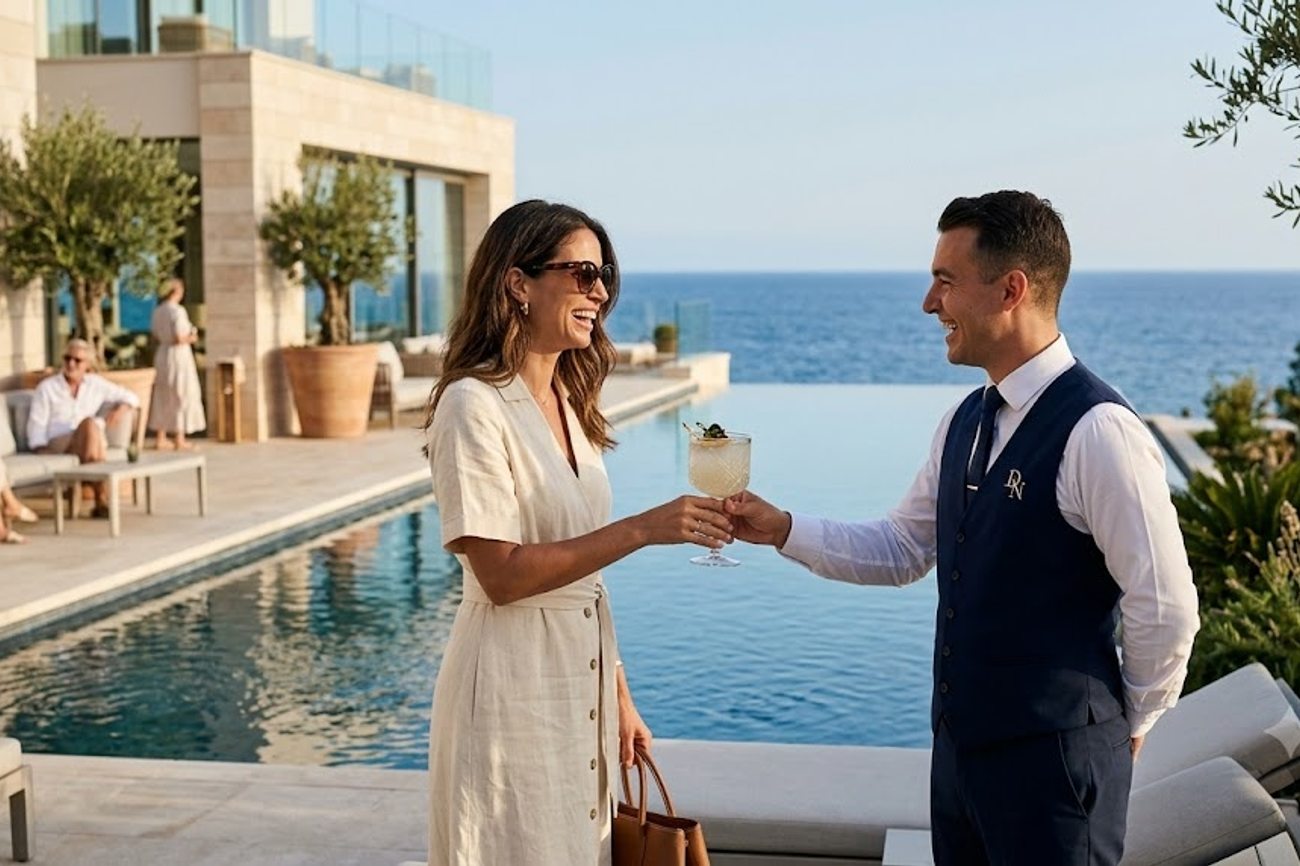
Image generated by AI
126 million enrolled members in the Wyndham Rewards program now serve as the primary commercial engine for the launch of Dolce Nova, a new upper-upscale lifestyle brand. This strategic expansion by Wyndham Hotels & Resorts marks a pivot away from traditional luxury markers toward a philosophy rooted in "il dolce far niente"—the Italian art of purposeful inactivity. By leveraging a massive existing loyalty base, Wyndham is attempting to institutionalize "slow travel," transforming the concept of doing nothing from a leisure activity into a scalable, revenue-generating hospitality product.
The Pivot to Intentional Inactivity
The emergence of Dolce Nova is not a random brand extension but a calculated response to a structural shift in the affluent travel market. For decades, upper-upscale hospitality was defined by "more": more amenities, more concierge services, and more high-speed efficiency. However, current consumer data suggests a reversal. Travelers are now prioritizing restorative experiences and local authenticity over the standardized opulence of global chains.
Wyndham is positioning Dolce Nova as the antidote to the "checklist" style of tourism. While the existing Dolce Hotels & Resorts portfolio remains anchored in the high-revenue sectors of corporate meetings, events, and traditional resort stays, Dolce Nova is designed for the leisure-led, experience-seeking demographic. This creates a dual-track strategy for the parent company: maintaining the lucrative B2B meetings market through the original Dolce brand while capturing the growing B2C "wellness and lifestyle" segment through Nova.
The brand's operational framework is built on five specific architectural and experiential touchpoints:
- Arrive & Belong: Transitioning guests from travel stress to local immersion via curated lounges and cafés.
- Restore & Revive: Dedicated wellness, fitness, and spa zones focused on biological and mental balance.
- Rest & Retreat: A redesign of the guestroom as a sanctuary of silence rather than just a place to sleep.
- Pass & Pause: The utilization of corridors and transitional spaces to encourage reflection and a slower pace of movement.
- Connect & Create: Hybrid social and co-working environments designed to bridge the gap between the guest and the local community.
Market Positioning and EMEA Expansion
Wyndham is targeting the EMEA (Europe, Middle East, and Africa) region for its initial rollout, focusing on a mix of ground-up new builds and the conversion of existing independent properties. This conversion strategy is particularly aggressive, as it allows Wyndham to rapidly scale the brand by absorbing boutique hotels that possess the "soul" of a lifestyle property but lack the global distribution power of a major conglomerate.
The financial appeal for developers lies in the marriage of "boutique identity" and "corporate infrastructure." A developer can build a property that feels like a unique Italian-inspired retreat while plugging into a global reservation system and a loyalty program with over 126 million members. This reduces the primary risk of lifestyle hotels: the struggle for visibility in a crowded digital marketplace.
| Feature | Dolce Hotels & Resorts | Dolce Nova |
|---|---|---|
| Primary Segment | MICE (Meetings, Incentives, Conferences, Exhibitions) | Upper-Upscale Lifestyle |
| Core Philosophy | Professionalism & Event Excellence | Il Dolce Far Niente (Slow Travel) |
| Guest Focus | Corporate Groups & Resort Vacationers | Wellness Seekers & Cultural Explorers |
| Key Infrastructure | Event Halls & Large-Scale Resorts | Social Hubs & Restorative Spaces |
| Primary Goal | Productivity & Leisure | Connection & Wellbeing |
Expert Analysis: The Industrialization of Slow Travel
For the modern traveler, the launch of Dolce Nova signals a paradox: the "sweetness of doing nothing" is being packaged as a premium, branded product. From a regulatory and market perspective, this is a move toward "experience commoditization." When a global giant like Wyndham enters the lifestyle space, it puts immense pressure on independent boutique hotels that have historically owned the "authentic" narrative.
Wyndham Hotels & Resorts has officially launched Dolce Nova, a new upper-upscale lifestyle brand, across Europe, the Middle East, and Africa (EMEA). The brand is expected to cater to the growing demand for unique and immersive travel experiences, with a focus on wellness, sustainability, and community engagement, as outlined on the Wyndham Hotels & Resorts website. This launch is part of Wyndham's broader strategy to expand its portfolio and strengthen its presence in the region.
The direct consequence for travelers booking these routes in EMEA will be a standardization of the "slow travel" experience. While the design will be "design-led," the backend—the booking process, the loyalty points, and the service standards—will be governed by International Air Transport Association (IATA) aligned travel patterns and corporate hospitality metrics.
The pricing pressure created by this move is significant. By integrating Dolce Nova into the Wyndham Rewards ecosystem, Wyndham can drive high occupancy rates through its member base, allowing them to maintain premium "upper-upscale" pricing even in volatile economic climates. They are essentially hedging their bets; if corporate travel dips, the "wellness" and "meaningful connection" market—which is currently seeing a surge in demand—will sustain the assets. For the nomad or the high-net-worth traveler, this means more consistent quality across EMEA, but potentially less raw, unbranded discovery.
Key Takeaways
- Strategic Shift: Wyndham is moving into the upper-upscale lifestyle market to capture the "slow travel" and wellness trend.
- Loyalty Leverage: The brand will use the 126 million members of Wyndham Rewards to ensure rapid occupancy and commercial viability.
- EMEA Focus: Expansion is currently centered on Europe, the Middle East, and Africa through both new builds and property conversions.
- Brand Differentiation: Unlike the original Dolce brand (focused on meetings/events), Dolce Nova prioritizes personal wellbeing and local cultural immersion.
- Operational Model: The guest experience is segmented into five pillars: Arrive & Belong, Restore & Revive, Rest & Retreat, Pass & Pause, and Connect & Create.
FAQ: Dolce Nova Hospitality 2024
How does Dolce Nova differ from a standard luxury hotel? Unlike standard luxury, which emphasizes opulence and service speed, Dolce Nova focuses on "slow travel." It prioritizes wellness, local cultural connection, and the philosophy of il dolce far niente, encouraging guests to spend time intentionally rather than filling schedules.
Can I use Wyndham Rewards points at Dolce Nova properties? Yes. Because Dolce Nova is integrated into the broader Wyndham Hotels & Resorts infrastructure, it leverages the Wyndham Rewards program, allowing its 126 million members to engage with the brand.
Where can I find Dolce Nova hotels? The brand is currently focusing its expansion on the EMEA region (Europe, Middle East, and Africa). Wyndham is currently in discussions with developers for both new constructions and the conversion of existing hotels.
What is "il dolce far niente"? It is an Italian phrase translating to "the sweetness of doing nothing." In the context of Dolce Nova, it is treated as a luxury experience where inactivity is viewed as a way to achieve personal wellbeing and connection.
The luxury of the future isn't about what you can buy, but how much of your time you can actually reclaim.
Tags: Wyndham Hotels & Resorts, Dolce Nova, EMEA Hospitality, Slow Travel 2024, Upper-Upscale Lifestyle Hotels, Wyndham Rewards
Related Travel Guides
Disclaimer
This article is for informational and educational purposes only. It does not constitute legal, financial, or professional advice. While we strive to provide accurate and up-to-date information, travel policies, regulations, and conditions change rapidly. Always verify information with official sources before making travel decisions. Nomad Lawyer makes no representations about the accuracy, reliability, completeness, or suitability of the information provided. Readers should consult qualified professionals for advice specific to their circumstances. The views expressed in this article are those of the author and do not necessarily reflect the views of Nomad Lawyer.
Naina Thakur
Contributor & Travel Specialist
Travel enthusiast and legal writer covering visa regulations, responsible tourism, and cultural journeys across global destinations.
Learn more about our team →