
Massive 2026 World Cup Fleet Overhauls Trigger Severe Travel Chaos and Flight Cancellations as Global Airlines Deploy Specialized Football Liveries: Latest Airline News
As a massive wave of 2026 FIFA World Cup aircraft repainting removes critical capacity from the skies, surging sports tourism demand triggers severe travel chaos and rolling flight cancellations.

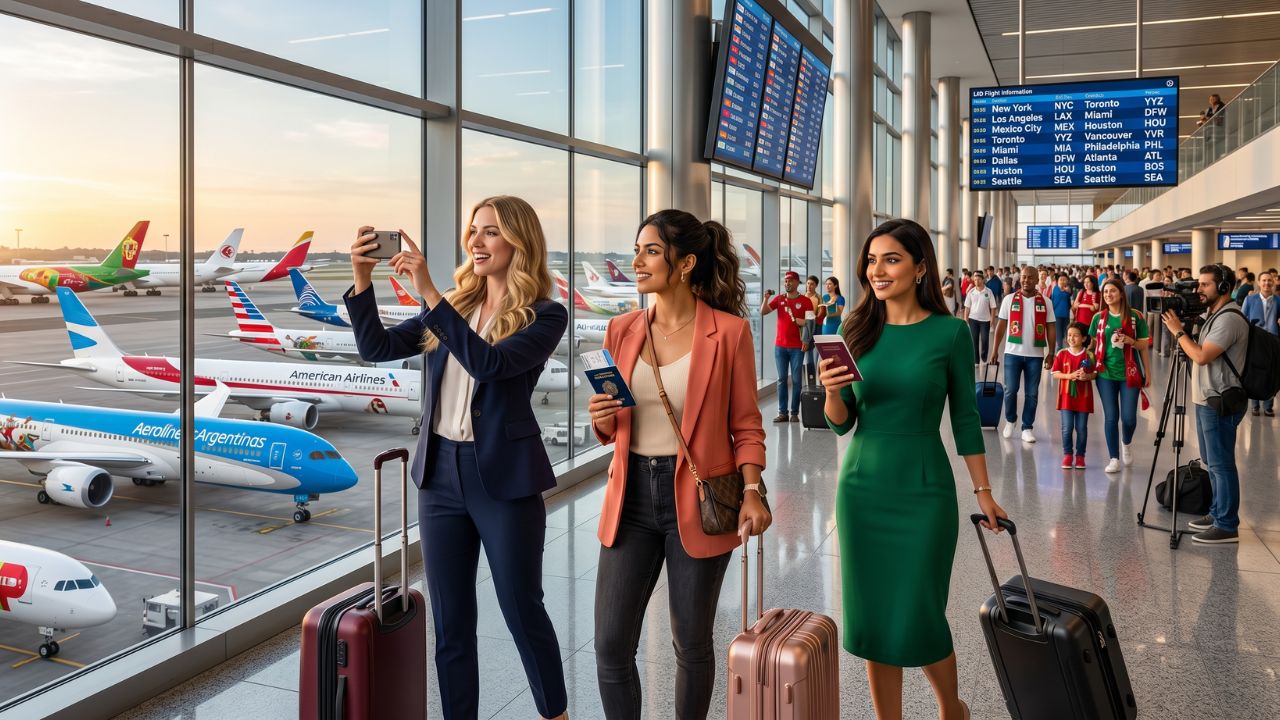
Image generated by AI
In a massive, highly disruptive global aviation transformation that is actively removing critical fleet capacity from an already congested international network, the deployment of 2026 FIFA World Cup special aircraft liveries is triggering severe travel chaos. To execute this massive sports marketing campaign, global titans including Aerolíneas Argentinas, Air Algérie, American Airlines, Avianca, Copa Airlines, Divi Divi Air, Iberia, Qatar Airways, Royal Air Maroc, and TAP Air Portugal are systematically grounding portions of their fleets for extensive, highly regulated repainting cycles. This aggressive visual transformation, combined with the explosive surge in early football tourism demand, has resulted in crippling capacity crunches, rolling flight cancellations, and severe airport disruptions across North America, Europe, and the Middle East. As aviation branding strategies physically collide with unprecedented passenger volume, navigating this heavily disrupted, football-themed global air transport network represents the premier headline in today's breaking airline news and essential aviation updates.
By introducing direct passenger coordination and dynamic scheduling backups, the regional aviation hubs target growing passenger demand across vital commerce sectors. The choice to coordinate flight departures in phases helps to manage gate capacity, supporting the country's broader regional transportation network.
Context: The Global Capacity Meltdown
For the millions of everyday tourists and corporate travelers attempting to navigate the 2026 summer transit grid, the massive World Cup marketing integration has degenerated into an absolute nightmare of travel chaos.
Historically, applying special liveries to commercial aircraft was done in isolated, low-impact batches. However, ahead of the 2026 FIFA World Cup, a massive global coalition of airlines is simultaneously executing fleet-wide visual adaptations. Because these visual transformations are being executed under strict regulatory aviation authority oversight, aircraft must be completely removed from service for structural inspections, regulated repainting schedules, and rigorous safety certification protocols. This coordinated grounding removes a staggering amount of wide-body and narrow-body capacity from the sky at the exact moment global sports tourism is surging. Consequently, a structural capacity crunch has emerged. Airlines lack the reserve aircraft necessary to cover mechanical delays, leading to cascading flight cancellations and paralyzing airport disruptions across major transit corridors spanning the Americas, Europe, and Africa.
To view live flight schedules, specific route capacity updates, or alternative connection options during this fleet transformation phase, travelers must consult official international aviation directories. For direct booking access on routes unaffected by livery groundings, travelers should check the official airline portals of American Airlines or Qatar Airways. To explore live flight tracking and monitor the exact severity of the global airspace bottlenecks caused by this capacity crisis, passengers can consult the official FlightAware tracking service.
Section-Wise Breakdown of the World Cup Route Disruptions
The Americas: Intense Hub Congestion
The capacity strain is intensely felt across the Americas. American Airlines is currently cycling long-haul aircraft out of service to apply World Cup thematic visuals, amplifying United States host nation visibility but exacerbating terminal gridlock at major US hubs. Simultaneously, Avianca and Copa Airlines are executing regional football heritage branding. Because Copa's entire model relies on the highly sensitive Panama hub-and-spoke system, the temporary removal of aircraft for repainting has dramatically heightened the risk of missed connections and severe airport disruptions for transit passengers moving between North and South America. Even niche operations like the Caribbean’s Divi Divi Air are experiencing targeted regional volatility as they apply promotional liveries. Furthermore, Aerolíneas Argentinas has deployed national football heritage designs across its international routes, stressing its fleet availability on critical European and North American connections.
Europe and North Africa: Transatlantic Bottlenecks
In Europe, Iberia and TAP Air Portugal have integrated European football heritage branding into their long-haul aircraft liveries. As these wide-body jets undergo rigorous European Union aviation safety certification following visual modifications, transatlantic tourism flows have been severely compressed, forcing travelers into overcrowded, higher-priced flights. Across the Mediterranean, Air Algérie and Royal Air Maroc have integrated football-inspired artwork into their fleets. While this successfully expands African tourism visibility globally, the regulatory oversight required by African aviation authorities during the repainting process has significantly tightened fleet availability on high-demand European routes.
The Middle East: Premium Capacity Constraints
In the Middle East, Qatar Airways has reinforced its central World Cup aviation partner role by implementing premium global aviation branding across its flagship wide-body fleet. While this successfully enhances international tourism inflow to its Doha hub, the meticulous safety certification processes required for these premium exterior modifications mean fewer flagship jets are available, directly contributing to the global flight cancellation wave.
Technical Roster: Global Aviation Transformation and World Cup Livery Matrix
To ensure absolute factual accuracy regarding the specific airlines executing these disruptive branding strategies and the resulting impact on tourism connectivity, the following table details the exact operational execution of the World Cup livery deployments:
| Airline | Region Category | World Cup Livery Role | Tourism Impact | FIFA World Cup 2026 Contribution |
|---|---|---|---|---|
| Aerolíneas Argentinas | South America | National heritage aircraft branding has been deployed with football themed liveries and cultural identity integration | International inbound visibility has been increased across Europe and North America routes | Argentina football culture has been globally projected through aviation exposure and passenger engagement has been strengthened |
| Air Algérie | North Africa | National aviation branding has been integrated with football inspired aircraft design modifications under regulatory approval | Tourism messaging has been reinforced across Mediterranean and European markets | Algeria national identity has been visually promoted through global flight networks |
| American Airlines | North America | Commercial fleet branding has been applied to selected long haul aircraft with World Cup thematic visuals | Passenger awareness of global tournament travel connectivity has been increased | United States host nation visibility has been amplified through aviation marketing integration |
| Avianca | Latin America | Regional football heritage branding has been applied across fleet aircraft under civil aviation oversight | Tourism connectivity across Central and South America has been enhanced | Latin American football identity has been projected across international aviation routes |
| Copa Airlines | Central America | Regional connectivity branding has been integrated with World Cup liveries on selected aircraft | Hub based tourism flow via Panama has been strengthened | Transit passenger exposure to World Cup branding has been increased significantly |
| Divi Divi Air | Caribbean | Small fleet promotional liveries have been applied for niche regional visibility | Local tourism awareness has been enhanced across island routes | Regional aviation exposure to World Cup branding has been limited but targeted |
| Iberia | Europe | European football heritage branding has been integrated into long haul aircraft liveries | Tourism flows between Europe and Americas have been strengthened | Spain football culture has been projected globally through aviation branding |
| Qatar Airways | Middle East | Premium global aviation branding has been implemented across flagship fleet aircraft | International tourism inflow to Middle East hubs has been significantly enhanced | Central World Cup aviation partner role has been reinforced through global connectivity |
| Royal Air Maroc | Africa | Continental football identity branding has been applied across fleet aircraft | African tourism visibility has been expanded across Europe and Middle East routes | Morocco football presence has been amplified globally |
| TAP Air Portugal | Europe | Cultural aviation branding has been applied across selected aircraft fleets | Tourism promotion between Europe, Africa and Americas has been enhanced | Portugal football identity has been globally promoted through aviation exposure |
Passenger Impact: Navigating the Capacity Collapse
For the everyday passenger and high-yield corporate traveler, the collision of massive World Cup marketing and summer travel demand represents the ultimate logistical nightmare.
The immediate passenger impact is a massive spike in airline ticket prices and an absolute collapse in scheduling reliability. Because airlines like American Airlines and Iberia lack the reserve fleet to cover mechanical issues while their primary jets are grounded for regulated repainting schedules, any minor weather delay immediately triggers cascading flight cancellations. Passengers attempting to transit through Panama via Copa Airlines or through Doha via Qatar Airways are facing massive missed connections. The integration of tourism promotion and global sports marketing is visually stunning, but the physical reality is that passenger engagement is currently defined by severe airport disruptions, overcrowded boarding areas, and multi-day delays for rebooking.
Industry Analysis: The High Cost of Soft Power
Aviation industry analysts view the 2026 World Cup aviation transformation as a dangerous, albeit brilliant, geopolitical soft-power expression that sacrifices short-term operational stability.
Analysts note that aircraft exterior designs have fundamentally transitioned from mere transportation assets into moving symbolic platforms representing national identity. However, executing this strategy under strict international civil aviation standards requires brutal operational sacrifices. Aircraft repainting processes mandate extensive certification requirements, and operational safety inspections must be completely satisfied prior to fleet re-entry. During this massive regulatory bottleneck, the global air transport network is bleeding capacity. While tourism authorities and aviation regulators have supported this transformation to project Spanish, Argentine, or American football culture across the globe, the resulting capacity strain ensures that the summer of 2026 will be defined by an intense, industry-wide scramble to accommodate stranded passengers.
Actionable Advice for Bypassing World Cup Travel Chaos
If you are an international traveler seeking to avoid the severe travel chaos currently gripping the aviation grid due to this massive fleet transformation, execute this strategic planning checklist immediately:
- Anticipate Severe Hub Gridlock: Do not assume connections through major hubs like Panama (Copa Airlines), Doha (Qatar Airways), or Madrid (Iberia) will be smooth. Build massive, 4-hour minimum buffer windows into your itinerary to survive the inevitable flight cancellations caused by fleet shortages.
- Prioritize Direct Flights Over Budget Fares: During a severe capacity crunch, connecting flights are a massive liability. Even if it costs significantly more, book direct flights on non-partner airlines to entirely bypass the cascading delays affecting the carriers pulling aircraft for World Cup liveries.
- Monitor Fleet Re-Entry Announcements: Airlines frequently announce when their newly painted flagship aircraft re-enter service. Track these dates carefully, as fleet availability and schedule reliability generally stabilize immediately after these major jets are released from regulatory safety inspections.
- Purchase Bulletproof Insurance: You must purchase fully comprehensive "Cancel for Any Reason" travel insurance that covers extreme delays. With fewer aircraft available globally to execute rebookings, a canceled flight could leave you stranded for several days.
FAQ: World Cup 2026 Aviation Liveries & Travel Chaos
Why are World Cup aircraft liveries causing global travel chaos?
To apply these massive 2026 FIFA World Cup visual designs, airlines must remove significant numbers of aircraft from active service for strict, highly regulated repainting and safety certification processes, triggering a massive global capacity shortage and cascading flight cancellations.
Which airlines are executing these disruptive World Cup fleet transformations?
Aerolíneas Argentinas, Air Algérie, American Airlines, Avianca, Copa Airlines, Divi Divi Air, Iberia, Qatar Airways, Royal Air Maroc, and TAP Air Portugal are all deploying special football-themed liveries.
How is passenger connectivity affected by this global sports marketing?
Because carriers have fewer reserve aircraft available while jets are grounded for repainting, any minor delay rapidly escalates into severe airport disruptions, causing massive missed connections at major hubs like Panama and Doha.
The Breaking Point of Aviation Branding
The massive, highly coordinated rollout of World Cup 2026 aircraft liveries proves definitively that global airlines are willing to risk severe operational instability to achieve global cultural communication. By temporarily sacrificing fleet capacity to deploy moving symbolic platforms representing national sporting heritage, carriers like American Airlines and Qatar Airways have fundamentally merged tourism promotion with aviation marketing. However, as international passengers face unprecedented terminal gridlock and brutal flight cancellations caused by this fleet transformation, travelers must accept a critical new reality: avoiding the severe travel chaos of 2026 requires aggressively navigating around the massive capacity deficits caused by the aviation industry's obsession with sports marketing dominance.
Key Takeaways
- Massive Capacity Crunch: The deployment of 2026 World Cup liveries requires grounding aircraft for strict repainting and regulatory inspections, triggering a global capacity shortage and severe travel chaos.
- Global Carrier Coalition: Ten major airlines, including American Airlines, Qatar Airways, Iberia, and Avianca, are simultaneously executing these disruptive fleet-wide visual adaptations.
- Hub Gridlock Risks: The fleet shortages are causing severe airport disruptions and cascading missed connections at critical transit hubs like Panama (Copa Airlines) and Doha (Qatar Airways).
- Strict Regulatory Oversight: The delays are exacerbated by mandatory civil aviation authority oversight, requiring rigorous safety certification processes before freshly painted aircraft can re-enter service.
- Sports Soft Power: The aviation sector has transformed into a global marketing platform, prioritizing the projection of national football identity over short-term scheduling reliability.
Related Travel Guides
German Airport Strikes Trigger Massive Capacity Crunch
Disclaimer
This article is for informational and educational purposes only. It does not constitute legal, financial, or professional advice. While we strive to provide accurate and up-to-date information, travel policies, regulations, and conditions change rapidly. Always verify information with official sources before making travel decisions. Nomad Lawyer makes no representations about the accuracy, reliability, completeness, or suitability of the information provided. Readers should consult qualified professionals for advice specific to their circumstances. The views expressed in this article are those of the author and do not necessarily reflect the views of Nomad Lawyer.
Kunal K Choudhary
Co-Founder & Contributor
A passionate traveller and tech enthusiast. Kunal contributes to the vision and growth of Nomad Lawyer, bringing fresh perspectives and driving the community forward.
Learn more about our team →