
Kenya Partners with Emirates and Qatar Airways to Boost Middle East Tourism to 50,000 Visitors by 2026
Kenya has signed strategic aviation agreements with Emirates and Qatar Airways to scale Middle Eastern visitor arrivals to 50,000, targeting KSh15 billion in additional economic revenue through enhanced global connectivity.

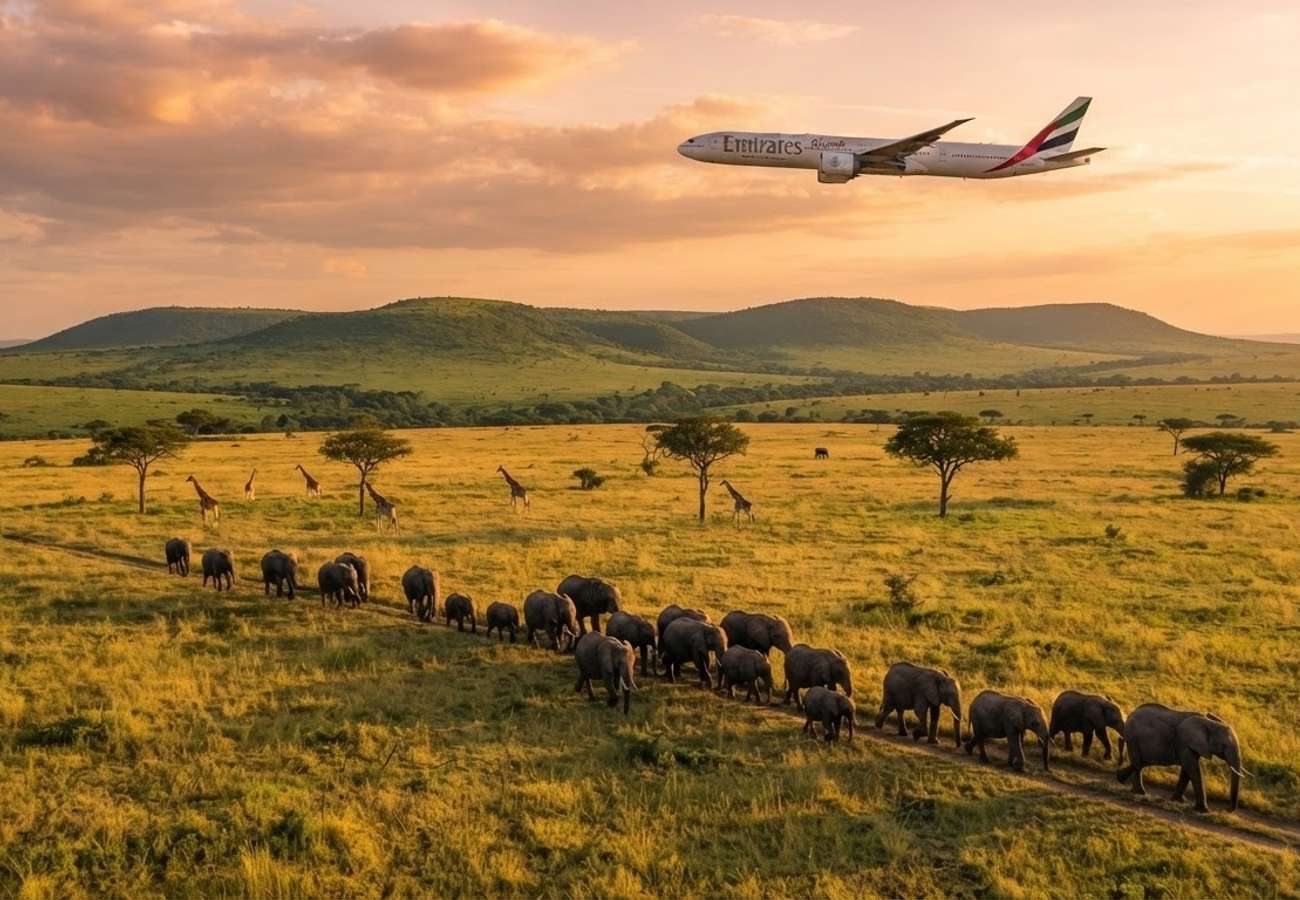
Image generated by AI
[Nairobi, September 16, 2026] — Kenya is aggressively expanding its international tourism footprint through new strategic alliances with Emirates and Qatar Airways, aiming to attract 50,000 visitors from the Middle East. These agreements, finalized during the Arabian Travel Market in Dubai, leverage the massive hub-and-spoke networks of the two Gulf carriers to diversify Kenya's visitor demographics and surge national tourism revenue.
The initiative is led by the Kenya Tourism Board (KTB), which is shifting its operational focus from general destination awareness to direct booking conversions. By integrating destination marketing with the global reach of Emirates and Qatar Airways, Kenya intends to more than double its current arrival figures from the Middle East, which stood at 20,480 during the 2025/26 financial year.
The Catalyst for Expansion
The immediate trigger for this aviation push is Kenya's ambition to hit a long-term annual tourism revenue target of KSh1 trillion. To reach this milestone, the government is moving away from a reliance on traditional Western markets and is instead targeting high-net-worth individuals from the Gulf region.
The strategy utilizes the "super-connector" status of Dubai and Doha. By aligning promotional campaigns with flight schedules, Kenya aims to capture a larger share of the MICE (Meetings, Incentives, Conferences, and Exhibitions) market and luxury leisure segments. This is not merely a branding exercise; it is a commercial pivot designed to turn interest into confirmed hotel reservations and flight tickets.
Market Impact and Targets
The scale of this expansion is reflected in the specific economic targets set by the Kenyan government. The following table outlines the projected growth and financial expectations associated with these partnerships:
| Metric | 2025/26 Figure | 2026 Target | Projected Impact |
|---|---|---|---|
| Middle East Arrivals | 20,480 | 50,000 | +143% Increase |
| Avg. Spend per Visitor | KSh 300,000 | KSh 300,000 | Consistent Premium Spend |
| Estimated Revenue | Base Level | KSh 15 Billion | Additional GDP Contribution |
| Total Int'l Arrivals | 2.7 Million | Increasing | Toward KSh 1 Trillion Goal |
The impact extends beyond the numbers. The partnership involves a coordinated effort where the airlines provide air tickets for trade and media familiarization trips, while the KTB handles ground logistics and luxury accommodation. This ensures that travel influencers and agents from the Middle East experience Kenya's high-end offerings firsthand.
What This Means for Travelers
For the average traveler or business professional, these agreements translate into several tangible benefits:
- Increased Frequency and Accessibility: With Emirates already operating three daily flights between Dubai and Nairobi, passengers can expect more streamlined connections and potentially more competitive pricing due to increased capacity.
- Diversified Experiences: Travelers will see a shift in marketed packages. While safaris remain a staple, there is a new push toward wellness retreats, coastal escapes, and high-end business facilities in Nairobi.
- Seamless Booking Integration: The move toward "conversion strategies" means travelers will likely encounter more integrated booking bundles—combining flights and luxury accommodation—making the planning process for Middle Eastern tourists significantly easier.
- Premium Service Standards: The focus on "high-value" visitors means an upgrade in hospitality standards across the board to meet the expectations of luxury travelers from the GCC (Gulf Cooperation Council) countries.
The Path to KSh 1 Trillion
The roadmap for Kenya's tourism sector involves a calculated transition. In 2025, the country recorded 2.7 million international arrivals, which generated approximately KSh 500 billion. To bridge the gap to the KSh 1 trillion goal, Kenya is diversifying its "source markets."
By partnering with Qatar Airways, Kenya gains an entry point into markets that previously had limited direct or easy indirect access to East Africa via the Doha hub. The focus is now on attracting "high-value" segments—families, corporate executives, and luxury seekers—who typically stay longer and spend more per day than the average tourist.
The next phase of this rollout includes joint destination awareness campaigns and specialized travel trade programs. These will be designed to position Kenya not just as a wildlife destination, but as a comprehensive premium hub for both business and leisure.
FAQ: Kenya Tourism Expansion 2026
How many flights currently connect Dubai and Nairobi? Emirates currently operates three daily flights between Dubai and Nairobi, providing a consistent link for travelers moving between the Middle East and East Africa.
What is the primary goal for Middle Eastern visitors in 2026? The Kenya Tourism Board aims to welcome 50,000 visitors from the Middle East, a significant increase from the 20,480 arrivals recorded in the 2025/26 financial year.
What types of tourism is Kenya promoting through these partnerships? Kenya is diversifying beyond safaris to promote luxury holidays, beach escapes, wellness retreats, cultural tourism, and MICE (Meetings, Incentives, Conferences, and Exhibitions) tourism.
What is the expected economic impact of these new arrivals? Based on an average spend of KSh 300,000 per international visitor, the target of 50,000 arrivals is expected to bring approximately KSh 15 billion in additional revenue.
Kenya is betting on Gulf aviation giants to turn its tourism ambitions into a trillion-shilling reality.
Related Travel Guides
Disclaimer
This article is for informational and educational purposes only. It does not constitute legal, financial, or professional advice. While we strive to provide accurate and up-to-date information, travel policies, regulations, and conditions change rapidly. Always verify information with official sources before making travel decisions. Nomad Lawyer makes no representations about the accuracy, reliability, completeness, or suitability of the information provided. Readers should consult qualified professionals for advice specific to their circumstances. The views expressed in this article are those of the author and do not necessarily reflect the views of Nomad Lawyer.
Raushan Kumar
Founder & Lead Developer
Full-stack developer with 11+ years of experience and a passionate traveller. Raushan built Nomad Lawyer from the ground up with a vision to create the best travel and law experience on the web.
Learn more about our team →