
European Airlines Face Existential Crisis as Fuel Costs Threaten Winter Survival
Breaking airline news and aviation industry updates for 2026.

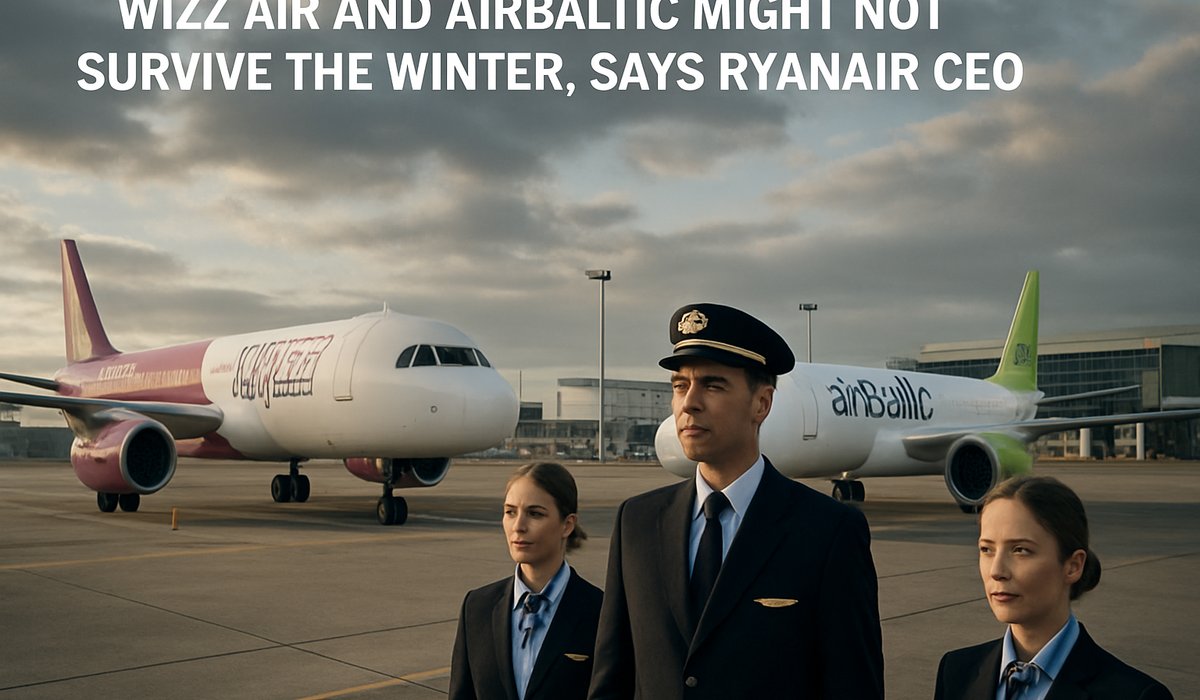
Image generated by AI
European Airlines Face Existential Crisis as Fuel Costs Threaten Winter Survival
Ryanair CEO warns Wizz Air and airBaltic may not endure the season amid mounting operational pressures
Stark Warning Signals Industry Fragility
Ryanair's combative chief executive has delivered a blunt assessment of the European aviation landscape, predicting that two prominent regional carriers could cease operations before winter concludes. The warning underscores deepening financial pressures across the continent's airline sector, where surging jet fuel prices and structural cost challenges are forcing carriers to make critical decisions about their viability.
Michael O'Leary, known for his provocative public commentary, has singled out Hungary-based ultra-low-cost operator Wizz Air and Latvia's airBaltic as particularly vulnerable to the ongoing energy crisis gripping Europe. His remarks suggest both carriers face a precarious cash position that could deteriorate sharply during the seasonally challenging winter months.
Fuel Crisis Compounds Existing Vulnerabilities
The comments arrive amid a broader reckoning within the aviation industry over unsustainable cost structures. Elevated jet fuel prices—a direct consequence of geopolitical tensions and supply chain disruptions—have compressed margins across the sector, forcing carriers to impose aggressive baggage charges, seat fees, and ancillary revenue measures to offset operational expenses.
For smaller, regionally-focused airlines operating on notoriously thin profit margins, the pressure has become acute. Unlike larger network carriers capable of absorbing fuel cost volatility through diverse revenue streams and pricing power, budget operators dependent on competitive fares face limited options for maintaining financial stability.
Industry Consolidation Looms
O'Leary's warning reflects a broader pattern of consolidation expected across European aviation. Airlines with insufficient liquidity reserves, aging fleets, or limited route networks face existential challenges as winter demand typically softens and operational costs rise due to weather-related disruptions and increased fuel consumption.
Wizz Air, despite its regional dominance across Central and Eastern Europe, has faced persistent questions about its capital structure and exposure to volatile fuel markets. airBaltic, similarly positioned as a niche carrier in the Baltic region, operates with less diversification than network carriers, amplifying its vulnerability to sector-wide shocks.
Broader Implications for Travelers
Should either carrier collapse, passengers holding tickets or advance bookings could face significant disruption. Industry regulations require airlines to compensate affected passengers, but operational chaos during winter travel season could create cascading delays and cancellations across European route networks.
The situation also raises questions about airline fee strategies. As carriers attempt to offset higher jet fuel costs through ancillary revenues—baggage charges now routinely exceeding €25-50 per item—travelers face mounting total journey costs regardless of which carrier survives the winter.
FAQ: Aviation Industry Challenges and Airline Survival
Q: How do jet fuel prices directly impact airline baggage fees and ticket costs? A: Elevated jet fuel expenses force carriers to increase ancillary charges and base fares to maintain operational margins. Budget airlines particularly rely on baggage fees to offset fuel cost volatility.
Q: Which European airlines are most at risk from the ongoing fuel crisis? A: Smaller, regionally-focused carriers with limited route diversity and thin profit margins face the greatest risk. Those dependent on single geographic markets lack the financial flexibility of network carriers.
Q: What happens to passenger bookings if an airline ceases operations? A: EU regulations mandate airlines compensate affected passengers, though rebooking on alternative carriers can face delays. Travel insurance protections vary significantly by policy.
Q: How are major carriers like Ryanair managing elevated jet fuel prices differently? A: Larger operators utilize fuel hedging strategies, dynamic pricing models, and diverse route networks to distribute costs, advantages unavailable to smaller competitors.
Q: Could airline consolidation actually benefit passengers long-term? A: Consolidation typically reduces competition and pricing pressure, potentially increasing fares despite operational efficiencies gained through merger synergies.
Related Travel Guides
Disclaimer
This article is for informational and educational purposes only. It does not constitute legal, financial, or professional advice. While we strive to provide accurate and up-to-date information, travel policies, regulations, and conditions change rapidly. Always verify information with official sources before making travel decisions. Nomad Lawyer makes no representations about the accuracy, reliability, completeness, or suitability of the information provided. Readers should consult qualified professionals for advice specific to their circumstances. The views expressed in this article are those of the author and do not necessarily reflect the views of Nomad Lawyer.
Kunal K Choudhary
Co-Founder & Contributor
A passionate traveller and tech enthusiast. Kunal contributes to the vision and growth of Nomad Lawyer, bringing fresh perspectives and driving the community forward.
Learn more about our team →