
SWISS Airbus A330 Aborts Takeoff After Engine Fire in Delhi; Five Passengers Injured During Emergency Evacuation
Breaking airline news and aviation industry updates for 2026.

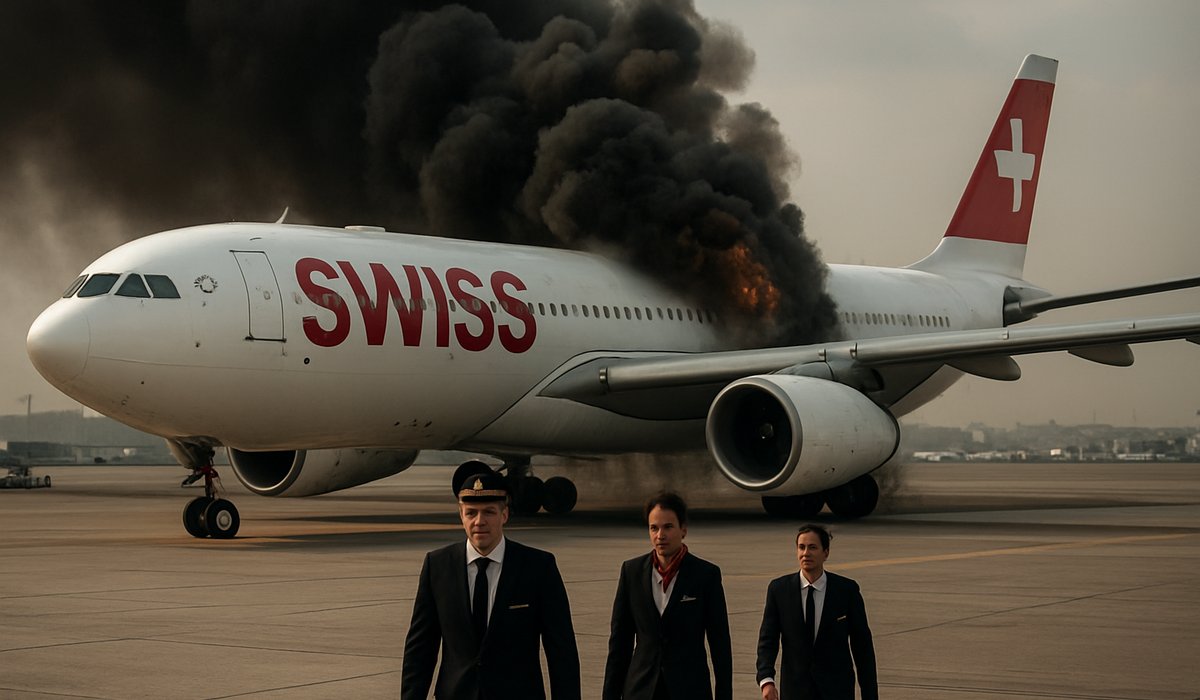
Image generated by AI
SWISS Airbus A330 Aborts Takeoff After Engine Fire in Delhi; Five Passengers Injured During Emergency Evacuation
Critical safety incident at Indira Gandhi International Airport highlights ongoing aircraft maintenance and operational challenges in global aviation
Emergency Halt Prevents Potential Disaster
A Swiss International Air Lines (SWISS) Airbus A330 narrowly averted a catastrophic incident at Delhi's Indira Gandhi International Airport when pilots executed an emergency takeoff abort after detecting a fire in the aircraft's left engine. The dramatic intervention occurred at speeds exceeding 100 knots—dangerously close to the point of no return—forcing the crew to deploy emergency evacuation slides and evacuate all passengers and crew immediately as ground emergency services mobilized.
Five passengers sustained injuries during the high-stress evacuation procedure, though authorities have not disclosed the severity of their conditions. The incident, which unfolded during routine departure operations, underscores the critical importance of real-time engine monitoring systems and crew training protocols that continue to shape aviation safety standards globally.
Rapid Response Prevents Escalation
The SWISS flight crew's swift decision to reject the takeoff at such elevated speeds demonstrates the precision and training required in modern commercial aviation. Once the aircraft came to rest on the runway, emergency personnel swiftly approached the A330 as smoke dissipated from the affected powerplant. The evacuation proceeded according to international safety protocols, with passengers evacuated via emergency slides in a matter of minutes.
Indian aviation authorities and airport emergency response teams coordinated immediately to contain the situation and prevent secondary incidents. The Airbus A330, a twin-engine wide-body aircraft widely operated across international networks, has maintained a strong safety record despite this incident.
Broader Industry Implications
This incident arrives amid heightened scrutiny of aircraft maintenance schedules and engine performance across the global aviation sector. Engine-related malfunctions, though statistically rare in modern commercial aviation, remain among the most critical safety concerns for flight operations and airline maintenance teams.
SWISS, a subsidiary of the Lufthansa Group, operates one of Europe's most extensive international networks. The carrier has not yet issued a detailed statement regarding the incident or provided information about the affected aircraft's maintenance history.
The Delhi incident will likely prompt regulatory reviews by the Directorate General of Civil Aviation (DGCA) in India and potentially influence European Aviation Safety Agency (EASA) directives regarding engine inspection intervals and thermal monitoring systems.
FAQ: Common Questions About Aircraft Engine Safety
Q: How frequently do engine fires occur during takeoff in commercial aviation? Engine fires during takeoff are exceptionally rare in modern commercial aviation, occurring in fewer than 1 in 5 million flights. Automated detection systems and crew training protocols are specifically designed to identify and respond to such emergencies within seconds.
Q: What triggers an emergency takeoff abort decision? Pilots abort takeoffs when critical system failures—including engine fires, hydraulic malfunctions, or control surface issues—are detected before reaching the "decision speed" (V1), though high-speed aborts like this SWISS incident demonstrate crews' ability to respond safely even at advanced rejection speeds.
Q: Does this incident affect Airbus A330 operations globally? The A330 remains a proven wide-body platform with decades of reliable service. Individual incidents typically trigger targeted inspections rather than fleet-wide groundings unless systematic design flaws are identified.
Q: How do airlines handle passenger compensation for emergency diversions? Passengers are typically accommodated on alternate flights and may be entitled to compensation under international aviation regulations, though emergency situations often provide exemptions from standard delay compensation requirements.
Q: What safety improvements have resulted from past engine incidents? Modern aircraft feature redundant engine monitoring systems, enhanced fire detection technology, and improved crew procedures—innovations directly resulting from decades of aviation incident investigations and regulatory evolution.
Related Travel Guides
Flight Delay Compensation Guide 2026
Understanding Airline Route Changes
Airport Security Process Updated (2026)
External Resources
Disclaimer
This article is for informational and educational purposes only. It does not constitute legal, financial, or professional advice. While we strive to provide accurate and up-to-date information, travel policies, regulations, and conditions change rapidly. Always verify information with official sources before making travel decisions. Nomad Lawyer makes no representations about the accuracy, reliability, completeness, or suitability of the information provided. Readers should consult qualified professionals for advice specific to their circumstances. The views expressed in this article are those of the author and do not necessarily reflect the views of Nomad Lawyer.
Raushan Kumar
Founder & Lead Developer
Full-stack developer with 11+ years of experience and a passionate traveller. Raushan built Nomad Lawyer from the ground up with a vision to create the best travel and law experience on the web.
Learn more about our team →