
Wisconsin Tourism Gains Global Momentum: Outdoor Adventures and Local Heritage Lead the Rise
Wisconsin emerges as a key destination for international travelers, welcoming 117.9 million visits in 2025 and generating $27 billion in economic impact.

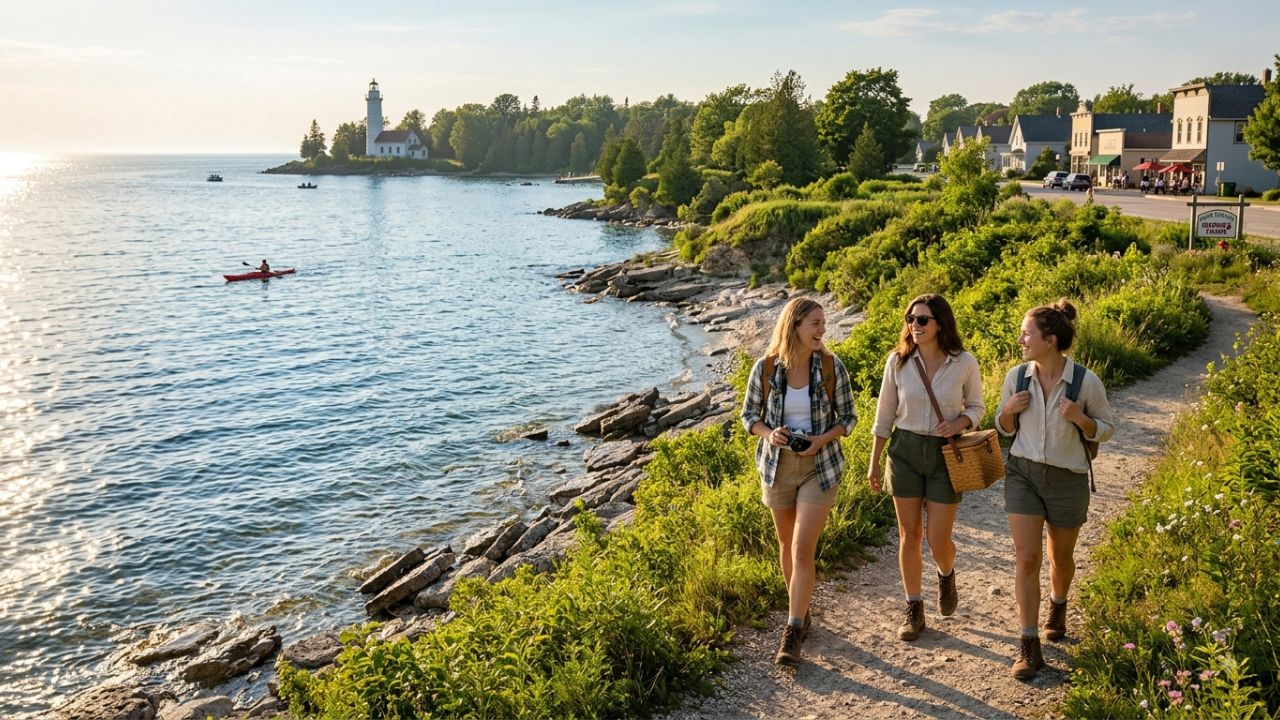
Image generated by AI
Strengthening its position on the global tourism map, Wisconsin welcomed approximately 117.9 million visits in 2025, generating a record $27 billion in economic impact. Driven by a combination of Great Lakes water recreation, rural heritage tours, and expanding international marketing efforts, the state is transitioning into a premier destination for slow travel in the American Midwest.
The global travel sector is observing a gradual realignment of traveler preferences. Instead of selecting traditional, high-density coastal hubs, international visitors are increasingly seeking secondary destinations that offer a mix of natural beauty, cultural heritage, and local experiences. This shift in traveler values is positioning Wisconsin as a rising attraction. While domestic visitors continue to represent the largest share of travelers, the Wisconsin Department of Tourism is actively promoting diverse regional experiences through its official Travel Wisconsin platform, capturing the interest of global explorers who seek to explore historic lakefront communities, outdoor adventures, and authentic local traditions.
For the traveler, the real impact of this trend is the opportunity to experience a slower, more personal style of travel. Visitors can engage with local craftsmen, participate in community-led festivals, and explore pristine natural spaces without the crowds associated with major coastal gateways. This distribution of visitor numbers supports family-run guesthouses, regional restaurants, and small-town retailers, building economic resilience in communities across the state.
Realigning Outdoor Recreation: Great Lakes and Wilderness Terrains
Wisconsin's natural environment serves as a primary advantage for the state's tourism identity. The region features thousands of glacial lakes, deep forests, and extensive trail networks that attract outdoor enthusiasts throughout the year. The Great Lakes play an important role, with the shores of Lake Michigan and Lake Superior providing spectacular coastal scenery and waterfront exploration. Lake Superior is the largest freshwater lake in the world by surface area, and the Apostle Islands National Lakeshore consists of 21 islands and 12 miles of mainland, offering historic red sandstone sea caves and lighthouse tours. These lighthouses, including the Raspberry Island and Outer Island stations, are maintained by the National Park Service and offer historical displays.
Door County, located between Green Bay and Lake Michigan, attracts visitors with its historic lighthouses, scenic coastal routes, and historic villages. Similarly, the Northwoods region offers wilderness experiences and lake cabins, while Wisconsin Dells remains one of the country's most recognized family destinations, famous for its water parks and natural sandstone cliffs along the Wisconsin River.
These diverse terrains support year-round activities—including boating, fishing, hiking, cycling, camping, and winter snow sports—that are increasingly attractive to international travelers searching for nature-based holidays. By promoting off-peak travel and highlighting lesser-known state parks, regional planners help manage visitor density, protecting delicate environments while ensuring a high-quality experience for tourists.
Wisconsin's cities complement these natural attractions by offering vibrant cultural and entertainment experiences. Milwaukee attracts visitors through its scenic lakefront, historic neighborhoods, and extensive collection of local craft breweries. Milwaukee's Lakefront Trail offers pedestrian paths that connect the Milwaukee Art Museum with regional parks. Madison, the state capital, offers a blend of government landmarks, university culture, and pedestrian-friendly dining districts. Madison's location on an isthmus between Lake Mendota and Lake Monona makes it highly unique, allowing delegates and leisure travelers to kayak and paddleboard within steps of the State Capitol building. The city's extensive bicycle path network makes it one of the most bike-friendly cities in the United States, encouraging low-emission transportation. Green Bay draws sports enthusiasts from across the country through its professional football heritage and large-scale game-day events.
Ecotourism and Community-First Culinary Travel
The growth of tourism in Wisconsin is closely connected to environmental stewardship and direct support of local economies. For the visitor, the real impact is a travel model that directly supports regional farming communities and protects fragile biomes. Wisconsin is globally recognized for its dairy heritage, cheese production, and farm-to-table dining experiences. This dairy heritage is deeply rooted in European immigrant history, and the state produces over 600 varieties of cheese, winning more awards than any other state or country.
By purchasing fresh cheese, produce, and baked goods directly from local cooperative markets and family-run farms, travelers ensure that tourism revenue remains within the local agricultural economy. The farm-to-table movement is supported by the Dane County Farmers' Market in Madison, which is the largest producer-only farmers' market in the United States, allowing visitors to buy directly from local growers.
Environmental conservation also plays a vital role. In protected areas like the Apostle Islands National Lakeshore on Lake Superior, travelers are encouraged to practice Leave No Trace principles, utilize non-motorized watercraft like kayaks, and support local trail maintenance efforts. This sustainable model helps preserve the unique sea caves and nesting habitats of the islands. Choosing independent guesthouses, historic bed-and-breakfasts, and locally owned cabins over major corporate hotel chains helps distribute economic benefits directly to the residents, sustaining regional heritage and protecting the natural scenery. This transition ensures the preservation of regional heritage while offering global travelers a deeper understanding of Wisconsin's environments.
Destination Specialist Local Insider Tips
To help you plan a slow-travel itinerary in Wisconsin safely and responsibly, regional specialists suggest the following local tips:
- Target the Autumn Shoulder Season: Plan your visit to the Northwoods or Door County in September and October. This dry shoulder season avoids the summer mosquito peak and offers pleasant weather for hiking among the spectacular fall foliage.
- Savor Squeaky Cheese Curds and Friday Fish Fry: Do not leave the state without trying fresh cheese curds—which should squeak when you bite them—or attending a traditional Friday night fish fry at a local tavern, featuring fresh lake perch or cod served with coleslaw and rye bread.
- Explore Apostle Islands Sea Caves Safely: If kayaking the famous sea caves of Lake Superior, hire a certified local guide. Water temperatures remain cold even in summer, and wind conditions on the lake can change rapidly, demanding expert navigation.
- Observe State Park Regulations: When hiking or camping in Wisconsin's state parks, stay on designated trails to prevent soil erosion and protect native wildflower habitats, especially in delicate bluff ecosystems.
- Join the Local Sports Culture in Green Bay: If visiting Green Bay on a game day, participate in the local tailgating culture and wear a traditional foam "Cheesehead" hat. It is a lighthearted way to connect with the local community.
Long-Term Outlook for Wisconsin Tourism
The long-term outlook for tourism in Wisconsin is positive, supported by the state's focus on conservation-led development and international marketing. By highlighting authentic, community-based experiences, regional authorities are building a sustainable tourism model that protects natural resources while supporting local economies.
As the state continues to attract global travelers, maintaining a balance between visitor expansion and environmental protection will remain essential. Continued investment in state park maintenance, green transit connections, and sustainable farming tourism will ensure that Wisconsin remains a clean, welcoming, and ecologically responsible destination for years to come. Furthermore, the state's emphasis on local craft culture and environmental conservation ensures that tourism remains a force for positive regional development, rather than a cause of ecological strain.
Related Travel Guides
Disclaimer
This article is for informational and educational purposes only. It does not constitute legal, financial, or professional advice. While we strive to provide accurate and up-to-date information, travel policies, regulations, and conditions change rapidly. Always verify information with official sources before making travel decisions. Nomad Lawyer makes no representations about the accuracy, reliability, completeness, or suitability of the information provided. Readers should consult qualified professionals for advice specific to their circumstances. The views expressed in this article are those of the author and do not necessarily reflect the views of Nomad Lawyer.
Kunal K Choudhary
Co-Founder & Contributor
A passionate traveller and tech enthusiast. Kunal contributes to the vision and growth of Nomad Lawyer, bringing fresh perspectives and driving the community forward.
Learn more about our team →