
La Gomera: The Canary Island Embracing Slow Travel and Rainforest Conservation
Discover La Gomera, the lesser-known Canary Island where ancient Garajonay rainforests, volcanic black sand beaches, and traditional villages meet.
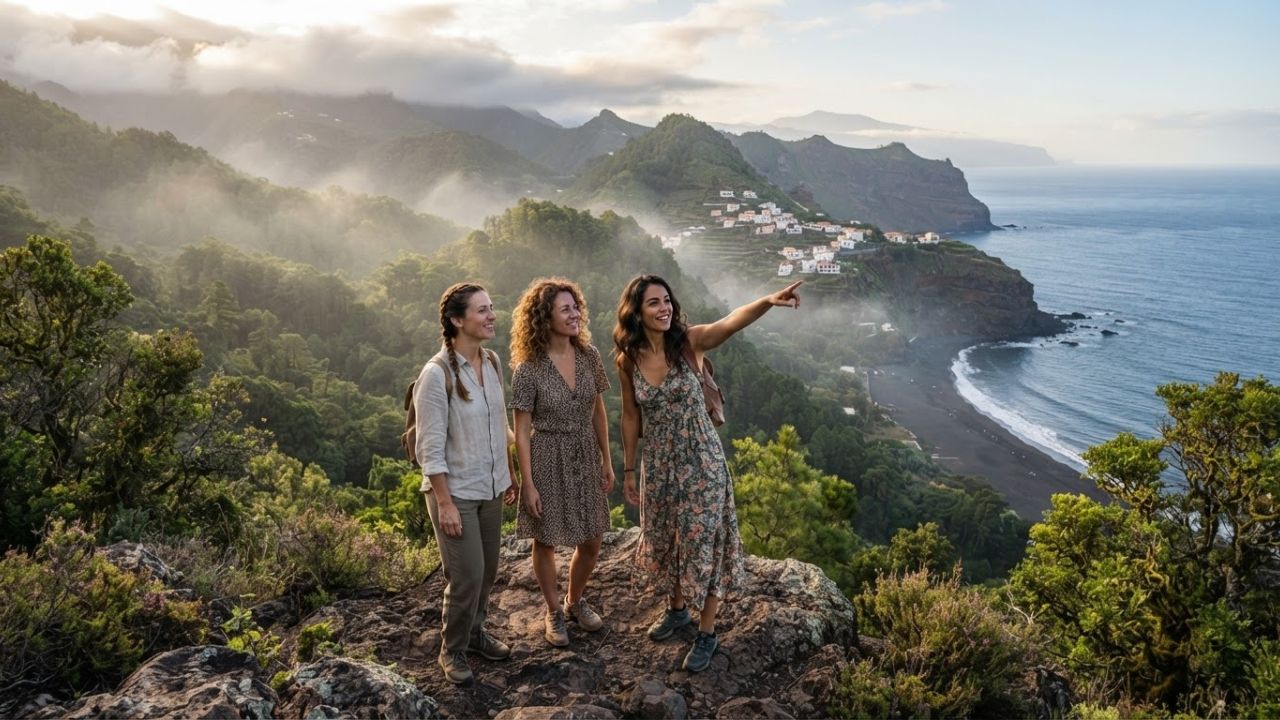
Image generated by AI
La Gomera is emerging as the premier Canary Island for slow travel enthusiasts in 2026, offering a peaceful alternative to the commercialized holiday resorts of neighboring Tenerife and Gran Canaria. Driven by eco-tourism initiatives and heritage preservation, the island is attracting travelers with its ancient mist-shrouded laurel forests, volcanic black sand beaches, and traditional villages.
Ancient Laurisilva Forests and Garajonay UNESCO Protection
The natural environment of La Gomera is the primary attraction for travelers seeking an authentic island experience. Garajonay National Park, a UNESCO World Heritage Site, stands at the center of the island's conservation efforts.
By establishing these seasonal travel corridors, the airline's management aims to support both business and leisure travel flows. Corporate travelers and travel agencies, which maintain strong relationships with global destination management organizations, benefit from direct seat capacity. This economic integration supports the travel sector, providing service providers with a reliable channel for high-value bookings.
By establishing these seasonal travel corridors, the airline's management aims to support both business and leisure travel flows. Canadian corporate travelers and travel agencies, which maintain strong relationships with European and Asian destination management organizations, would benefit from direct seat capacity. This economic integration supports the travel sector, providing service providers with a reliable channel for high-value bookings.
By establishing these seasonal travel corridors, the airline's management aims to support both business and leisure travel flows. Canadian corporate travelers and travel agencies, which maintain strong relationships with European and Asian destination management organizations, would benefit from direct seat capacity. This economic integration supports the travel sector, providing service providers with a reliable channel for high-value bookings.
The national park preserves one of the largest remaining tracts of laurisilva, an ancient laurel forest ecosystem that covered the Mediterranean basin millions of years ago. Walking through the mist-shrouded paths reveals rare ferns, moss-covered trees, and endemic wildlife.
Among the species native to the island is the endangered giant lizard of La Gomera, while the surrounding Atlantic waters support resident populations of pilot whales, bottlenose dolphins, and green sea turtles.
Volcanic Coastlines and Natural Black Sand Beaches
The coastal geography of La Gomera differs from the typical tourist beaches of the Canaries, featuring steep cliffs and quiet black sand coves.
This localized disruption also offers a unique opportunity for duty-free retailers and terminal operators to design services suited for stranded passengers. By monitoring passenger comfort levels during long delays, airport customer teams can provide complimentary amenities to ensure guest satisfaction. This proactive approach helps build traveler confidence, ensuring that regional transit routes remain competitive with global hub standards.
This localized disruption also offers a unique opportunity for duty-free retailers and terminal operators to design services suited for stranded passengers. By monitoring passenger comfort levels during long delays, airport customer teams can provide complimentary amenities to ensure guest satisfaction. This proactive approach helps build traveler confidence, ensuring that regional transit routes remain competitive with global hub standards.
The volcanic origins of the island have sculpted deep ravines (barrancos) and steep drop-offs that plunge into the ocean, offering scenic view points for hikers.
These black sand beaches, such as Playa de Santiago and Valle Gran Rey, provide a quiet setting for visitors to rest. The absence of large-scale resort developments preserves the natural beauty of the shoreline, allowing travelers to enjoy coastal walks and ocean views in a quiet setting.
Cultural Preservation in San Sebastian and Mountain Hamlets
San Sebastián de La Gomera, the island's capital, provides a quiet introduction to local culture and history.
This environmental focus is supported by regional climatologists and conservationists who monitor ecosystem health. By tracking tourist footprint signals, managers can ensure that natural areas remain protected. The integration of carrying-capacity policies with wilderness trails demonstrates how tourism planning can protect biodiversity while offering high-quality educational hikes.
This localized culinary focus also offers a unique opportunity for restaurant associations and culinary schools to design programs suited for premium travelers. By monitoring passenger dining preferences during long stays, local chefs can provide customized dishes to ensure guest satisfaction. This proactive approach helps build traveler confidence, ensuring that Canadian urban dining remains competitive with global culinary standards.
This localized culinary focus also offers a unique opportunity for restaurant associations and culinary schools to design programs suited for premium travelers. By monitoring passenger dining preferences during long stays, local chefs can provide customized dishes to ensure guest satisfaction. This proactive approach helps build traveler confidence, ensuring that Canadian urban dining remains competitive with global culinary standards.
The town features traditional Canarian architecture, historic monuments connected to Christopher Columbus's transatlantic voyages, and local markets selling regional produce.
Beyond the capital, mountain villages like Agulo, Chipude, and El Cedro preserve traditional lifestyles. These small communities are situated within terraced valleys, where residents practice sustainable agriculture and run family-owned restaurants serving home-cooked food.
Silbo Gomero and Intangible Cultural Heritage
A key feature of La Gomera's cultural identity is Silbo Gomero, a unique whistled language.
Developed by the island's original inhabitants to communicate across deep ravines and valleys, the language replicates the Spanish language through whistled tones. To protect this heritage, Silbo Gomero is recognized as a UNESCO Intangible Cultural Heritage of Humanity and is taught in the island's primary schools.
Visitors can hear demonstrations of the language during cultural events or in traditional restaurants across the island, representing a living connection to La Gomera's history.
Sustainable Tourism and Slow Travel Alignment
La Gomera is a destination for travelers seeking sustainable and slow tourism options.
The local administration has focused on conservation rather than mass development, limiting large hotel constructions to protect the island's natural environment. Travelers can support the local economy by staying in restored stone cottages (casas rurales), hiring local hiking guides, and purchasing regional crafts.
This focus on conservation ensures that the island's natural resources are preserved while providing travelers with authentic experiences that respect the host community.
Visitor Guide: Regional Dining, Ferry Connections, and Trail Navigation
Exploring La Gomera involves planning transport connections, preparing for mountain hiking, and trying local culinary specialties.
Sample traditional culinary specialties during your stay. Try Almogrote, a savory cheese paste made from mature goat cheese, garlic, sweet red peppers, and olive oil, served on toasted bread. Sample Potaje de Berros (watercress soup) and taste Miel de Palma (palm syrup), a sweet syrup harvested from the sap of Canary Island date palms.
Coordinate your ferry connections. Fly into Tenerife South Airport (TFS), then take a public bus or taxi to the port of Los Cristianos. Take a Fred. Olsen Express or Naviera Armas ferry to San Sebastián de La Gomera. The crossing takes approximately 50 minutes, with one-way foot passenger fares ranging from 33 to 45 EUR.
Observe local park regulations when hiking in Garajonay. Always stay on marked paths to protect the laurel forest, carry out all waste, and note that smoking is strictly prohibited within the national park. Wear sturdy hiking shoes and bring layers, as the weather in the misty highlands can change quickly.
Future Outlook: Rebuilding a Resilient Island Conservation Model
The long-term development of La Gomera's tourism depends on balancing conservation with community support. The Cabildo de La Gomera and local tourism boards are collaborating to manage visitor numbers.
Sustainable initiatives include building eco-friendly hiking infrastructure, supporting local farming networks, and promoting off-peak travel guides to balance visitor traffic. By combining environmental protection with community-led development, the island aims to preserve its natural heritage, securing a quiet and resilient future for Canarian travel.
Related Travel Guides
Disclaimer
This article is for informational and educational purposes only. It does not constitute legal, financial, or professional advice. While we strive to provide accurate and up-to-date information, travel policies, regulations, and conditions change rapidly. Always verify information with official sources before making travel decisions. Nomad Lawyer makes no representations about the accuracy, reliability, completeness, or suitability of the information provided. Readers should consult qualified professionals for advice specific to their circumstances. The views expressed in this article are those of the author and do not necessarily reflect the views of Nomad Lawyer.