
Bridges Across Topographies: Vertically Integrated DMC Connects Himachal and the Andaman Islands
A specialized Indian Destination Management Company showcases a vertically integrated model connecting Himachali mountains and Andaman islands at IITM 2026.

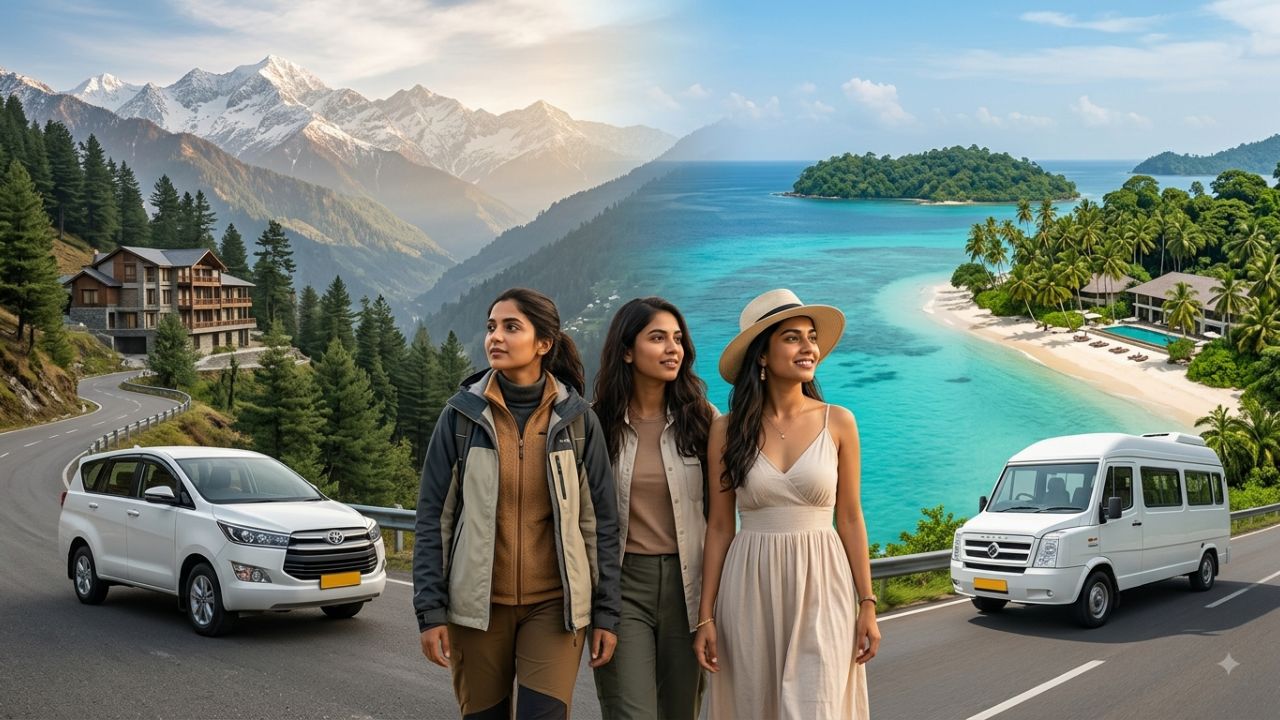
Image generated by AI
Unveiling a vertically integrated business model at the India International Travel Mart (IITM) 2026, a specialized Destination Management Company is bridging the northern Himachali mountains and southern Andaman Islands through direct ownership of hotels and transport fleets. This unified framework simplifies travel logistics, eliminating third-party intermediaries to offer reliable, offbeat travel packages.
Planning a holiday that involves vastly different geographical environments often introduces significant logistical challenges for travelers. In India, coordinating a trip from the northern alpine passes of the Himalayas to the tropical marine reserves of the Bay of Bengal typically requires multiple local contractors, unpredictable taxi bookings, and separate hotel reservations. The post-pandemic rise of self-managed tourism packages in India has highlighted the demand for seamless operational standards. A vertically integrated Destination Management Company (DMC) addresses these issues directly by establishing a single supply chain. By directly owning accommodations and transport networks in both sectors, the company manages to offer domestic and international visitors a predictable, transparent holiday experience.
For the traveler, the real impact of this business model is the elimination of service inconsistencies and third-party markups. Presenting at the India International Travel Mart (IITM) 2026 trade exhibition in August 2026, company representative D Priyanka highlighted that controlling dedicated cab fleets and private hotels in both sectors eliminates third-party reliance. When a single management framework oversees every touchpoint—from arrival at a mountain gateway to transit across tropical islands—it ensures reliable service and immediate support during weather disruptions or route changes.
Realigning Domestic Tourism Operations: Mountain Pass to Tropical Bay
Vertically integrated operations resolve the fragmentation that often affects long-distance domestic travel packages. The company’s in-house transport network operates across primary northern Himachali circuits—including Dharamshala, Dalhousie, and nearby gateway hubs such as Amritsar—while simultaneously maintaining a dedicated island transport fleet in the Andaman Islands. Dharamshala, serving as the home of the Dalai Lama and the Tibetan Government-in-Exile, attracts significant spiritual and cultural travel. Dalhousie preserves colonial-era architecture and scenic cedar forests, while Amritsar serves as a vital transit gateway with its historic Golden Temple. Direct fleet ownership is essential for regional mobility, eliminating the seasonal price hikes and vehicle shortages that often occur during peak travel windows. Local drivers who understand the unique challenges of mountain roads and coastal tracks ensure that itineraries remain on schedule.
These operational realignments help the DMC structure tours with greater flexibility. In cases where flights are delayed or mountain roads are blocked by snow, the company can immediately coordinate with its owned properties to adjust check-in dates and transport schedules without charging additional fees to the travelers. This level of responsiveness is highly significant outside main transit hubs, where outsourced transport providers often impose inflated rates or refuse journeys to remote, less-travelled valleys. By deploying its own fleet, the firm provides seamless point-to-point transit, allowing holidaymakers to explore distant valleys and secluded coastal stretches with complete peace of mind.
B2B partnerships are also being shaped by this model, as demonstrated during the IITM 2026 trade exhibition. City-based travel agents and tour planners showed strong interest in operators who can guarantee seamless multi-state tour execution. In an interview at IITM 2026, D Priyanka detailed their local transport operations: "We have our own transportation in Himachal and Andaman… In Himachal—Dharamshala, Dalhousie, Amritsar—and also we are specialists for offbeat locations. We also have our own fleet in Andaman, every kind of transportation you will get." [01:00]
Environmental Stewardship and Community-Based Tourism
The growth of offbeat tourism under a vertically integrated model is closely linked to environmental protection and direct support of local economies. For the visitor, the real impact is the ability to participate in low-impact travel habits that preserve fragile alpine and marine ecosystems. In Himachal Pradesh, the DMC supports sustainable travel by guiding visitors to quiet mountain communities, encouraging overnight stays in family-run guesthouses, and promoting local Himachali cuisine. This approach reduces the pressure on overdeveloped hill stations like Shimla and Manali.
In the Andaman Islands, preserving marine biodiversity is a central conservation focus. The Mahatma Gandhi Marine National Park in Wandoor covers 15 islands and contains unique coral species, endangered sea turtles, and vibrant marine life. The DMC works with local marine authorities to educate travelers on reef-safe habits, such as avoiding touching coral formations during snorkeling excursions and utilizing biodegradable, reef-safe products. Additionally, direct training programs for local boatmen help prevent anchor damage to fragile reefs. Directly owning lodging and transport assets helps ensure that tourism revenues remain in the regional economy, providing stable, year-on-year employment for local guides, drivers, and hospitality workers. This sustainable model helps protect natural biomes while distributing economic benefits directly to the residents.
Destination Specialist Local Insider Tips
To help you plan a responsible, multi-region journey through Himachal Pradesh and the Andaman Islands, destination specialists suggest the following local tips:
- Target the Himachali Shoulder Seasons: Visit Himachal Pradesh between March and May, or from September to November. This offers pleasant weather for hiking while avoiding the heavy monsoon rains of July and August, which can cause landslides and road closures.
- Sample Siddu and Dham in Himachal: Savor Siddu, a traditional steamed wheat bread stuffed with poppy seeds and walnuts, served hot with local ghee. If attending a regional festival, participate in Dham, a traditional multi-course vegetarian feast slow-cooked in copper vessels.
- Respect Church and Temple Customs: When visiting Himachali temples or historic churches, dress modestly by covering your shoulders and knees, and remove your shoes before entering temple premises.
- Target the Andaman Dry Window: Plan your visit to the Andaman Islands between October and May to enjoy optimal water visibility for scuba diving and snorkeling. The monsoon season from June to September brings heavy rains and high winds, restricting boat transfers. Verify ferry schedules locally as sea states can impact operations.
- Explore Lalaji Bay Beach on Long Island: Escape the crowds of Havelock Island by taking a public ferry to Long Island. A short trek through the mangrove forest leads to Lalaji Bay Beach, a quiet coastal environment suitable for slow observation.
- Practice Reef-Safe Snorkeling: When exploring the marine reserves of the Andaman Islands, do not wear sunscreen containing oxybenzone, as it contributes to coral bleaching. Avoid stepping on reef flats or collecting shells from the beaches.
Long-Term Outlook for Indian Destination Management
The long-term outlook for domestic tourism in India is defined by vertical integration and the expansion of offbeat travel. As travelers prioritize reliable logistics, safety, and cultural depth, destination management companies that control their own infrastructure are likely to capture a larger share of the B2B and B2C markets.
Continued collaboration between regional tourism boards, conservation groups, and infrastructure providers will ensure that offbeat exploration protects local biomes and supports regional communities. By bridging the gap between distant topographies under a single operational standard, integrated DMCs are building a more sustainable, balanced tourism economy for the future. This transition ensures the preservation of regional heritage while offering global travelers a deeper understanding of India's environments.
Related Travel Guides
Disclaimer
This article is for informational and educational purposes only. It does not constitute legal, financial, or professional advice. While we strive to provide accurate and up-to-date information, travel policies, regulations, and conditions change rapidly. Always verify information with official sources before making travel decisions. Nomad Lawyer makes no representations about the accuracy, reliability, completeness, or suitability of the information provided. Readers should consult qualified professionals for advice specific to their circumstances. The views expressed in this article are those of the author and do not necessarily reflect the views of Nomad Lawyer.
Kunal K Choudhary
Co-Founder & Contributor
A passionate traveller and tech enthusiast. Kunal contributes to the vision and growth of Nomad Lawyer, bringing fresh perspectives and driving the community forward.
Learn more about our team →